When the circuit breaker tripped and power doesn’t return, it’s more than annoying. This usually means bigger problems like bad wiring, ongoing electrical issues, or a broken breaker. Circuit breakers keep your home safe, but they might stop working if not cared for.
- Regular check-ups can lower failure chances for metal-clad breakers.
- Oil-filled breakers are harder to maintain because they are complex.
Knowing these causes helps you fix the problem safely and avoid it later.
Key Takeaways
- Check your circuit breakers often to stop problems and stay safe.
- Don’t overload circuits; plug devices into different outlets.
- If a breaker trips a lot, unplug things and call an electrician.
- Watch for signs like burning smells or flickering lights to find issues early.
- Always stay safe with electrical problems; hire a licensed electrician if needed.
The Circuit Breaker Tripped: What Is It and Why Does It Happen?
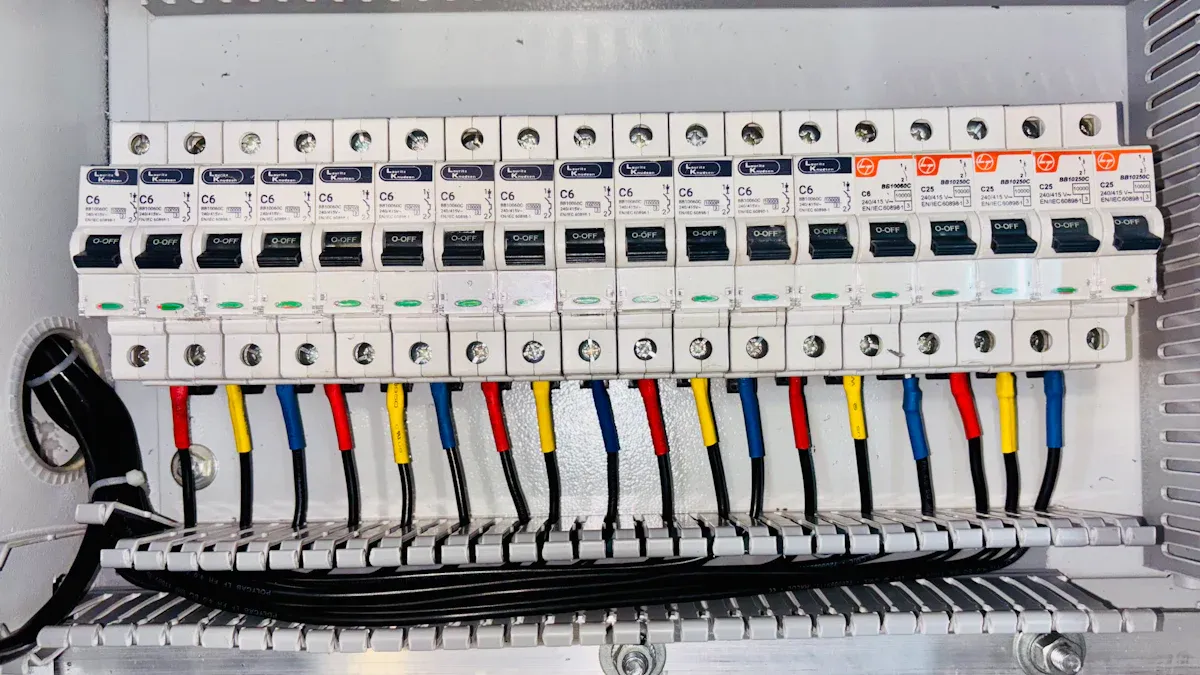
Purpose of a Circuit Breaker
A circuit breaker works like a safety switch for your home’s electricity. Its job is to stop electricity when something goes wrong. This helps prevent fires, overheating, or damage to your devices. Think of it as a protector for your electrical system.
Circuit breakers are made to handle tough situations. For example, MasterPact MTZ air circuit breakers are used in millions of places worldwide. They meet high standards and work well in busy areas like hospitals and data centers. These devices are strong and reliable under pressure.
How Circuit Breakers Protect Your Home
Electricity powers your lights, fridge, and other devices at home. But too much electricity or a problem can be dangerous. Circuit breakers stop power quickly when they detect issues. This prevents fires, overheating, and damage to your electronics.
Some modern breakers make fixing problems faster. Advanced models, like those with the EcoStruxure Power Device app, save time. They can cut troubleshooting time by up to 15%. This helps you find and fix problems faster.
Common Scenarios When a Circuit Breaker Trips
Circuit breakers trip for different reasons, showing something is wrong. Here are common causes:
- Overloaded Circuits: Using too many devices on one circuit can overheat it. This often happens in the evening when electricity use is higher.
- Short Circuits: When wires touch incorrectly, it creates a dangerous connection. This can cause overheating or fires.
- Ground Faults: If a live wire touches a grounded surface, the breaker trips. This is serious and needs fixing right away.
| Cause | Explanation |
|---|---|
| Increased Power Usage in Evenings | Using more electricity at night for lights and devices can overload circuits. |
| Temperature and Humidity Changes | Cooler nights increase heating needs, affecting circuit loads. |
| Aging or Faulty Appliances | Old appliances may use extra power during busy times, causing trips. |
| Electrical Grid Fluctuations | Changes in voltage during peak hours can trip circuits. |
Knowing these causes helps you understand why your breaker tripped. Watch your electricity use to avoid these problems.
Why the Circuit Breaker Tripped and Power Was Not Restored
Overloaded Circuits
Overloaded circuits are a common reason for tripped breakers. This happens when too many devices use one circuit. For example, using a microwave, toaster, and coffee maker together can overload it. The breaker shuts off power to stop overheating and damage.
Before the breaker trips, you might see flickering lights. A faint burning smell is another warning sign. Ignoring these signs can melt wire insulation and cause fires. Frequent trips mean your home may need more circuits or upgrades.
Here’s what to know:
- Overloaded circuits cause sudden power outages.
- They make up 54% of electrician service calls.
- Burning smells and flickering lights are danger signs.
If overloads happen often, call an expert to stay safe.
Short Circuits
Short circuits also cause breakers to trip and stay off. A short happens when wires touch or hit metal. This creates a surge of electricity that overheats wires. The breaker trips instantly to prevent fires or explosions.
You might see sparks or hear popping sounds during a short. Outlets or appliances may show scorch marks or damage. Faulty wiring, broken devices, or bad installations often cause shorts. Don’t reset the breaker until the problem is fixed.
Key points to remember:
- Short circuits cause sudden trips and system damage.
- Worn wires or broken devices are common causes.
- Call a professional to find and fix the issue.
Ground Faults
Ground faults happen when a live wire touches a grounded surface. This creates a dangerous path for electricity and trips the breaker. Ground faults are common in wet places like bathrooms or kitchens.
After a ground fault, you might lose power in certain outlets. These faults can cause shocks or fires if ignored. GFCI breakers help by shutting off power when faults occur. Repeated trips may mean wiring problems.
Important facts about ground faults:
- They often happen in damp or wet areas.
- GFCI breakers protect against ground faults.
- Frequent trips may mean damaged outlets or wiring.
If you’re unsure, call an electrician. Safety is always the priority with electrical issues.
Faulty or damaged circuit breakers
Sometimes, the circuit breaker itself is the problem. A broken or worn-out breaker can trip and not restore power. This happens when its parts stop working properly. Over time, breakers can wear out due to age, heavy use, or bad conditions like moisture or dust.
How can you tell if a breaker is damaged? Look for these signs:
- The breaker won’t stay in the “reset” position.
- You smell something burning near the breaker panel.
- The breaker feels hot or makes buzzing noises.
- There’s visible damage, like scorch marks or a broken handle.
- The breaker trips often without a clear reason.
If you notice these signs, the breaker might have internal problems. For example, burnt or damaged terminals could mean trouble inside. A weak actuator may also cause issues, even if the breaker looks fine.
Tip: Don’t try to repair a damaged breaker yourself. Call a licensed electrician to check and replace it if needed.
Ignoring a bad breaker can lead to bigger risks, like fires or broken appliances. Regular check-ups can help find and fix these problems early.
Wiring problems or loose connections
Bad wiring is another reason a circuit breaker might trip and not restore power. Loose wires, broken connections, or poor setups can stop electricity from flowing correctly. When this happens, the breaker trips to avoid overheating or danger.
Here’s what to watch for if you think wiring is the issue:
- Lights flicker or power cuts off randomly.
- Sparks or popping sounds happen when plugging in devices.
- Outlets or switches feel warm when touched.
- Wires look frayed or insulation appears melted.
Loose connections are risky because they can cause arcing. Arcing happens when electricity jumps across gaps, creating heat and possibly starting a fire. Damaged wires can result from pests, wear, or bad installations.
Note: If you suspect wiring problems, turn off power to the area and call an expert. Working with electricity is dangerous without proper tools and knowledge.
To avoid wiring troubles, keep your home’s electrical system updated. Regular checks by an electrician can catch problems before they become serious.
Troubleshooting Steps for a Circuit Breaker That Tripped
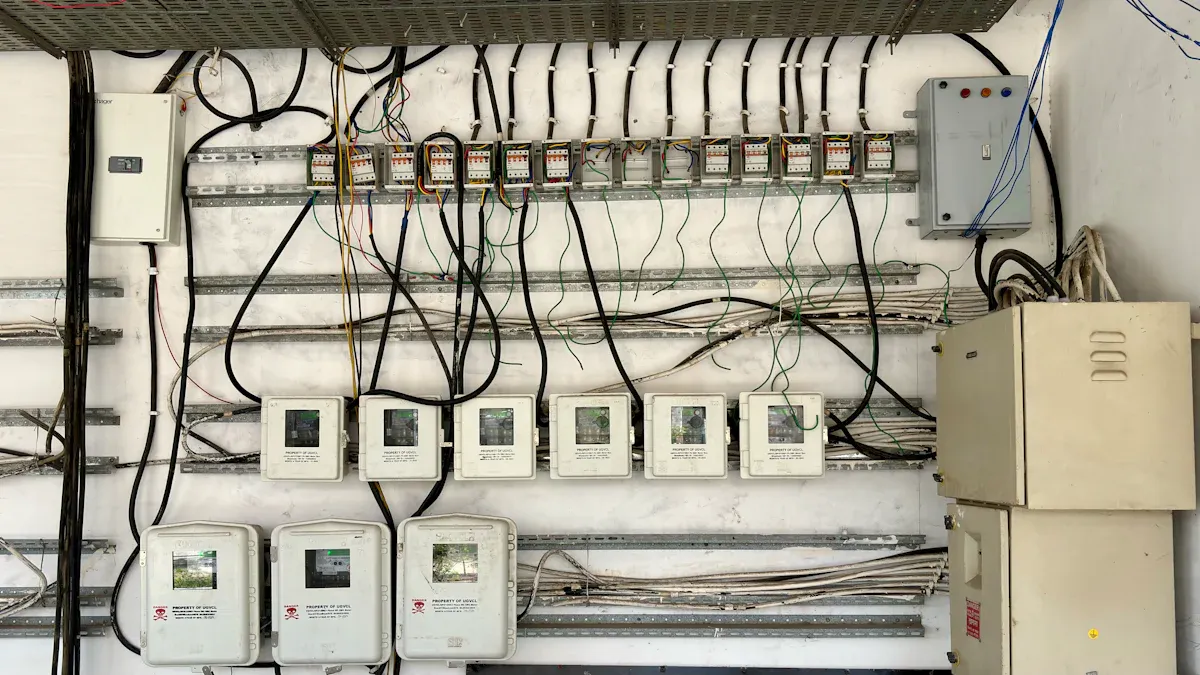
Safety precautions before troubleshooting
Before checking a tripped circuit breaker, safety comes first. Electricity can be dangerous if you’re not careful. Follow these simple safety tips:
- Keep your work area clean to avoid accidents.
- Turn off power to the equipment before starting.
- Use insulated gloves and tools to prevent electric shocks.
- Take off metal jewelry, like rings or bracelets, to stay safe.
- Check your tools for damage before using them.
Tip: Wear safety gear like goggles, rubber mats, and use non-metal ladders. These items help protect you from injuries.
Look around for hazards before starting. Watch for water near the breaker or exposed wires. Spotting risks early helps you stay safe while working.
Inspecting the breaker panel and outlets
After taking safety steps, check the breaker panel and outlets. This helps you figure out why the breaker tripped. Open the panel and look for these warning signs:
- Burn marks, discoloration, or a burning smell near breakers.
- Strange sounds like buzzing or crackling from the panel.
- Loose or damaged wires that might cause short circuits.
Next, check the outlets connected to the tripped breaker. Look for these issues:
- Cracks, burn marks, or other damage on outlets.
- Test outlets with a circuit tester to see if they work.
- Replace cords or plugs that are worn or broken.
Note: If the breaker trips often or you see damage, call an electrician. Fixing it yourself could be risky.
Regular checks can save money and prevent bigger problems. Catching issues early keeps your home safe and avoids costly repairs.
Resetting the circuit breaker properly
Resetting a tripped circuit breaker is easy but must be done right. If you reset it without fixing the problem, it could be dangerous. Follow these steps to reset safely:
- Find the tripped breaker in the panel. It will be halfway between “on” and “off.”
- Push the breaker fully to the “off” position to reset it.
- Flip it back to the “on” position.
If the breaker trips again right away, don’t reset it again. This could mean a serious issue like a short circuit or ground fault. Investigate further or call an expert.
Important: Only reset a breaker once. If it trips again, something needs fixing.
After resetting, watch the circuit to ensure it works properly. If lights flicker, or you hear buzzing, turn off the breaker. Call a professional to check for problems and prevent future issues.
Unplugging devices and testing circuits
If your circuit breaker trips, start by unplugging devices. This helps you check if the problem is an overloaded circuit or a bad appliance. Here’s why unplugging works:
- Removing devices lowers the circuit’s load. This shows if it’s overloaded.
- Disconnecting items helps find out if one device is causing trouble.
- It’s a simple first step before calling an electrician for help.
After unplugging everything, reset the breaker. If it stays on, plug devices back in one at a time. Watch for signs like flickering lights or buzzing noises as you reconnect each device. These clues can help you find the problem.
Tip: Begin with big appliances like fridges or microwaves. They use more power and often cause issues.
If the breaker trips again after plugging in a certain device, that device is likely the issue. Don’t use it until it’s fixed or replaced. This easy method can save time, money, and keep your home safe.
Identifying persistent electrical issues
Sometimes, a tripped circuit breaker happens more than once. This could mean there’s a bigger electrical problem. To figure it out, you’ll need to investigate further.
Here are ways to find ongoing electrical problems:
- Look for patterns: Notice when and where the breaker trips. Does it happen at busy times or in certain rooms?
- Check the breaker’s condition: Over time, breakers can wear out. Regular checks can show if it’s failing.
- Use advanced tools: Special tests can find hidden problems in breakers, especially in high voltage systems.
- Test appliances: Faulty devices can cause repeated trips. Use a multimeter or ask an electrician to check them.
Note: Don’t ignore repeated trips. They might mean serious issues like bad wiring or a failing breaker.
By using these steps, you can find the cause and fix it. Whether it’s replacing a breaker or repairing wires, solving the problem early avoids bigger troubles later.
When to Seek Professional Help for a Tripped Circuit Breaker

Signs of serious electrical problems
A tripped circuit breaker can mean bigger issues needing expert help. Burning or fishy smells might signal overheating wires or fire risks. Frequent trips could mean overloaded circuits or bad wiring. Flickering lights or dim bulbs may show loose connections or struggling circuits.
Other signs include buzzing sounds near outlets, discoloration on switches, or visible sparks. Rodents can chew wires, causing shorts or sparks. If you notice these problems, call an electrician right away.
| Warning Signs | Description |
|---|---|
| Continuous tripping of breaker | Shows deeper electrical system problems. |
| Presence of burning odors | Signals urgent issues needing quick attention. |
| Buzzing sounds from electrical system | Points to wiring troubles needing expert checks. |
| Discoloration around outlets | Suggests electrical damage that must be fixed. |
| Visible sparks | Serious danger requiring professional inspection. |
Tip: Don’t wait for problems to get worse. Fixing them early keeps your home safe and saves money.
Risks of DIY electrical repairs
Trying to fix electrical problems yourself can be dangerous. Each year, about 400 people die from electrocution at home. That’s around four deaths every week. Many of these accidents happen because of unsafe DIY electrical work.
Electrical repairs need special skills and tools. Without training, you might make mistakes that cause fires or injuries. DIY fixes can also break safety rules, putting your home at risk. Mistakes can lead to costly repairs later.
Alert: Leave electrical repairs to experts. They know how to fix problems safely.
Benefits of hiring a licensed electrician
Hiring a licensed electrician keeps your home safe and gives peace of mind. These experts follow safety rules and know how to handle tricky electrical systems. They have insurance to cover damages if something goes wrong during repairs.
Licensed electricians save money over time. Bad electrical work can cause fires, costing over $1 billion yearly. Professionals prevent these risks and avoid expensive future repairs. They’re also accountable to licensing boards, so you can trust their work.
| Evidence Type | Description |
|---|---|
| Safety Risks | Around 400 electrocutions and 4,000 injuries happen yearly in the U.S. due to electrical hazards, often from DIY or unlicensed work. |
| Financial Risks | Electrical fires cause over $1 billion in property damage annually, showing the cost of bad electrical work. |
| Accountability | Licensed electricians follow rules and offer protection, ensuring reliable service. |
Note: Hiring a licensed electrician isn’t just about fixing problems—it ensures your home’s electrical system stays safe for years.
Preventing Future Issues When the Circuit Breaker Tripped
Avoiding overloaded circuits
Overloaded circuits are a top reason for tripped breakers. To stop this, spread out your devices across different outlets. Don’t plug too many high-power items into one circuit. For example, using a microwave, toaster, and coffee maker together can overload it.
Here’s how overloaded circuits affect breaker trips:
| Problem Area | Effect on Breaker Trips |
|---|---|
| Overloaded circuits | Main cause of frequent trips |
| Loose connections | Adds to tripping problems |
| Old breakers | Fail after their lifespan ends |
| Wrong panel size | Causes mismatched loads |
| Grounding issues | Creates fire or shock dangers |
To prevent these problems, balance your devices across circuits. If trips happen often, think about upgrading your system to handle more power.
Tip: Use energy-saving appliances to lower circuit loads. This helps avoid trips and cuts your electricity costs.
Regular electrical system maintenance
Keeping your electrical system in good shape avoids sudden problems. Regular inspections can find loose wires, old breakers, or bad connections early.
Why maintenance is important:
- Saves Money: Fixing small issues costs less than big repairs.
- Keeps Things Running: It prevents unexpected power outages.
- Improves Safety: It ensures your system works without risks.
| Focus Area | Benefits |
|---|---|
| Cost Control | Tracks spending and helps plan for future upgrades. |
| Safety Compliance | Makes sure your system meets safety rules and avoids fines. |
| Longer Equipment Life | Shows how well your system ages and when to replace parts. |
Note: Schedule a yearly electrical check-up. It’s a simple way to avoid bigger, costly problems later.
Upgrading outdated electrical panels
Old electrical panels can’t handle today’s energy needs. If you have a fuse box or an old breaker panel, it’s time to upgrade. Frequent trips, flickering lights, or overheating mean your panel is struggling.
New panels have better safety features to stop overheating and faults. They also meet modern safety codes, keeping your home safe. Why upgrading matters:
- Older panels weren’t built for today’s power use.
- Modern homes need to support many high-energy devices.
- Upgrading ensures your system works safely and efficiently.
Alert: Don’t wait for a big problem to upgrade your panel. A new panel improves safety and makes your system more reliable.
When a circuit breaker trips and power doesn’t come back, it might mean issues like too many devices on one circuit, wires touching wrongly, or a broken breaker. These problems can be hard to fix, so always think about safety first. Check everything slowly and don’t rush to fix it.
If the breaker keeps tripping or seems too hard to handle, call a licensed electrician. They can check your home’s wiring and make sure it’s safe. Always be careful when working with electricity—it’s better to stay safe than take risks.
FAQ
What should you do if your circuit breaker keeps tripping?
If your breaker trips often, unplug devices and reset it. If it trips again, there might be a bigger problem. This could be faulty wiring or a short circuit. Don’t keep resetting it. Call an electrician to check and fix it safely.
What causes a burning smell near the breaker panel?
A burning smell means wires are overheating or a breaker is damaged. This is dangerous and needs quick action. Turn off the power right away. Don’t use the circuit until an electrician inspects and repairs it.
What’s the difference between a short circuit and a ground fault?
A short circuit happens when wires touch the wrong way. This causes too much electricity to flow. A ground fault happens when a live wire touches a grounded surface. Both are dangerous and need professional help.
What tools can help you test electrical issues?
A multimeter checks voltage, current, and resistance. A circuit tester shows if outlets work. These tools help find problems like bad wiring or broken devices. Always follow safety rules when using them.
What are signs that your electrical panel needs an upgrade?
If breakers trip often or lights flicker, your panel may be old. Overheating is another warning sign. Homes with fuse boxes or outdated panels struggle with today’s energy needs. Upgrading makes your system safer and more efficient.
The following information may be of interest to you
What Are the Signs of a Bad Circuit Breaker
How many times can a circuit breaker trip before it is damaged?
Can we wait for a day if there is a problem with the circuit breaker?
Why does your air conditioning circuit breaker always trip?