You might see LCB in electrical engineering and ask what it means. LCB usually means Line Circuit Breaker. This device keeps electrical circuits safe from too much power. Sometimes, LCB means Local Control Board. This is a panel that controls equipment in one area. LCB can also be a company’s name, but this is not common. You need to look at the situation to stay safe and do your work right.
Key Takeaways
- LCB can stand for Line Circuit Breaker or Local Control Board. You should always look at the situation to know what it means.
- Line Circuit Breakers stop circuits from getting too much power or having short circuits. They help stop fires and keep machines safe.
- Local Control Boards let people control machines by hand. They work as backups if automatic systems fail and help things keep running.
- Check your papers for hints to figure out LCB. Words like ‘tripping’ mean Line Circuit Breaker, and ‘panel’ means Local Control Board.
- Turning a Line Circuit Breaker back on after it trips saves time and money. This helps stop waste and makes things safer.
LCB in Electrical Engineering: Main Meanings
If you see LCB in electrical engineering, you might not know what it means. LCB can stand for different things. Each meaning is important in electrical work.
Line Circuit Breaker Overview
LCB often means Line Circuit Breaker. This device keeps circuits safe from too much current. If something goes wrong, the breaker stops electricity. You can reset most breakers after they trip. This helps keep things working safely. Groups like NFPA, OSHA, IEC, and IEEE make rules for these devices. These rules help you use and take care of circuit breakers the right way.
| Organization | Description |
|---|---|
| National Fire Protection Association (NFPA) | Makes rules for fire safety and circuit breakers. |
| Occupational Safety and Health Administration (OSHA) | Sets rules for safety at work, including electrical safety. |
| International Electrotechnical Commission (IEC) | Creates rules for electrical and electronic technology. |
| Institute of Electrical and Electronics Engineers (IEEE) | Gives rules and advice for electrical engineering. |
Local Control Board Overview
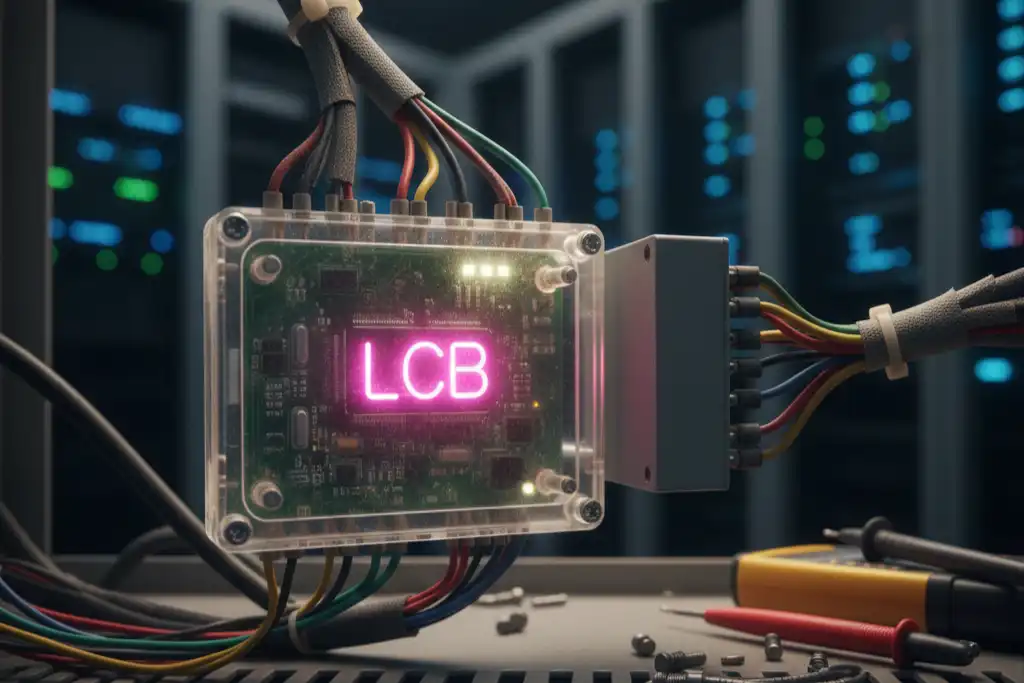
LCB can also mean Local Control Board. This is a panel that controls equipment in one area. Local Control Boards let you control machines by hand. They have buttons, lights, and switches. These panels are backup for automatic systems like SCADA. You can use the board if the main system stops working. Local Control Boards also control some things automatically, like flow or level.
| Evidence Description | Source Link |
|---|---|
| Local Control is a backup for SCADA. Equipment uses a local panel with buttons, lights, and switches. | Source |
| Local panels let you control plant items by hand. | Source |
| Local panels can control things like flow and level automatically. | Source |
Tip: Always check if LCB means Line Circuit Breaker or Local Control Board. Look at the equipment and the situation.
LCB as Manufacturer Reference
Sometimes, LCB means a company name. Some companies use LCB as their short name. This does not happen often. Most times, LCB means a device or a panel.
| Abbreviation | Meaning |
|---|---|
| LCB | Local Control Board |
You should always look at what you are working with. This helps you know what LCB means and keeps you safe.
Line Circuit Breaker Details
Key Functions
When you work with electricity, you need to stay safe. A line circuit breaker helps protect you. It keeps your equipment and wires from getting hurt. Too much current or a short circuit can cause problems. The breaker stops electricity right away if something is wrong. This helps stop fires and keeps machines safe.
Here are the main jobs of a line circuit breaker:
| Function | Description |
|---|---|
| Overload Protection | Cuts off power when the current goes above safe levels. |
| Preventing Overheating | Stops wires from getting too hot, which can cause fires. |
| Guarding Against Short Circuits | Interrupts electricity when a short circuit happens. |
| Arc Fault Protection | Detects dangerous electrical arcs and trips the circuit. |
| Ground Fault Protection | Shuts off power instantly if a ground fault occurs. |
Tip: You can trust line circuit breakers to keep your home and work safe from electrical dangers.
How It Works
You might ask how a line circuit breaker stops power. The device uses smart parts to find trouble and act fast. Most breakers have a bimetallic strip or an electromagnetic coil. If too much current flows, the strip bends or the coil moves a switch. This action opens the contacts and stops the circuit.
Here is an easy way to see how it works:
- The breaker keeps metal contacts together when things are normal.
- If the current gets too high, the breaker finds the problem.
- The contacts open up and stop the electricity.
Some breakers also stop arcing. Arcing is when electricity jumps across a gap. By stopping arcing, the breaker helps prevent fires and damage.
| Mechanism Type | Description |
|---|---|
| Bimetallic Strip | Two metals bend when heated by high current, triggering the breaker. |
| Electromagnetic Mechanism | Magnetic force pulls the switch open when current is too high. |
Applications
You can find line circuit breakers in many places. Homes, factories, and offices all use them. In factories, breakers can handle up to 480V AC and protect big machines. Molded-case circuit breakers (MCCBs) are used for large jobs.
Modern line circuit breakers do more than keep you safe. You can reset them after a problem, which saves money and time. This means you do not have to buy a new breaker every time it trips. You also help the planet by making less waste.
| Benefit | Description |
|---|---|
| Enhanced Safety | Disconnects circuits during faults, lowering fire risks. |
| Cost-effective | Lets you reset instead of replace, saving money. |
| Easy to use | Simple reset restores power quickly. |
| Environmental impact | Reduces waste by reusing the breaker. |
Today, companies like Siemens use digital tools and green materials in their breakers. These new breakers help you save energy and control your power. Digital circuit breakers can even help buildings make their own power, giving you more safety and control.
Note: LCB in electrical engineering keeps your systems safe and helps you use energy better.
Local Control Board in Electrical Engineering
Features
A Local Control Board has many important parts. These parts help you control machines and keep things safe. Surge suppressors protect against voltage spikes. Fuses stop the circuit if too much current flows. The power supply changes AC to DC for safe equipment use. Power distribution blocks help manage voltage for different devices. Communication hubs let your board talk to other systems. Motor drives control how fast or slow machines move. Terminal blocks keep wires neat and easy to check. Relays and contactors turn machines on or off when needed.
Here are some common features you will find on a Local Control Board:
- Surge suppressors
- Fuses
- Power supply
- Power distribution
- Communications
- Motor drives
- Terminal blocks
- Relays and contactors
Safety is very important. Many boards must follow strict rules before use in factories or plants. These rules come from safety certifications. The table below shows some of the most common certifications:
| Certification | Description |
|---|---|
| UL698A | Focuses on making and installing control panels in risky places to stop fires. |
| UL508A | Covers safety of control panels, including picking parts and following electrical codes. |
| UL1203 | Is about explosion-proof and dust-proof electrical equipment. |
Tip: Always check for these certifications before using a Local Control Board in a new project.
Use Cases
You can find LCB used in many places. In a factory, you might use a Local Control Board to start or stop a conveyor belt. You can also use it to control pumps, fans, or mixers. If the main control system fails, you can still run machines with the local board. This helps keep production going and stops downtime.
Factories use Local Control Boards to control machines in one area. Water plants use them to manage pumps and valves. Oil and gas sites use them in risky zones because they follow strict safety rules. You can find these boards in food plants, chemical plants, and big office buildings.
Using a Local Control Board gives you more control and safety. You can fix problems faster and keep your team safe. LCB in electrical engineering gives you an easy way to manage complex systems.
Comparing LCB Meanings and Related Terms
LCB vs. MCB
You might see LCB and MCB in electrical papers. LCB can mean Line Circuit Breaker or Local Control Board. MCB stands for Miniature Circuit Breaker. LCB helps protect big circuits or controls machines. MCB protects small circuits in homes or offices. MCBs trip quickly and handle less current than LCBs. You use MCBs for easy jobs. You pick LCBs for bigger systems or special panels.
Key Differences Table
Here is a table that shows how LCB and MCB are different:
| Term | Main Purpose | Typical Use Case | Resettable | Safety Role |
|---|---|---|---|---|
| LCB (Line Circuit Breaker) | Protects circuits from overloads | Large buildings, factories | Yes | High |
| LCB (Local Control Board) | Controls local equipment | Industrial plants, sites | N/A | Medium-High |
| MCB (Miniature Circuit Breaker) | Protects small circuits | Homes, offices | Yes | Medium |
Tip: Always look at the equipment and job before you pick a breaker or control board.
Identifying LCB in Context
You can figure out what LCB means by checking for clues in your papers or at work. Here are some hints to help you:
- If you read about tripping, overload, or circuit protection, it means Line Circuit Breaker.
- If you see words like control panels, machine work, or on-site changes, it means Local Control Board.
- If you spot a brand name or supplier, LCB might be a company.
You should look for these hints before you start working. This helps you stay safe and pick the right equipment. LCB can mean different things in electrical engineering, so the situation is important.
Note: If you know these hints, you make better choices and avoid mistakes.
You need to understand what LCB means in electrical engineering. This helps you stay safe and work better. Always check the context before you choose equipment or read instructions. Use these steps to avoid mistakes:
- Look for clues in your documents.
- Ask questions if you are unsure.
- Match the term to the job or device.
Tip: Careful reading and asking for help can prevent accidents and save time.
FAQ
What does LCB stand for in electrical engineering?
You might see LCB mean Line Circuit Breaker or Local Control Board. Sometimes, it can also refer to a company name. Always check the context to know which one fits your situation.
How do you know if LCB means Line Circuit Breaker or Local Control Board?
Look for clues in your documents or equipment. If you see words like “protection” or “tripping,” it likely means Line Circuit Breaker. If you see “panel” or “manual control,” it usually means Local Control Board.
Can you reset a Line Circuit Breaker after it trips?
Yes, you can reset most Line Circuit Breakers. Just switch it back to the ON position after fixing the problem. This feature helps you save time and money.
Where do you find Local Control Boards in real life?
You find Local Control Boards in factories, water plants, and big buildings. They help you control machines in one area. You use them when you need quick or local control.
See also
Lines and loads: Understanding the key differences of wires
How to Tell When a Distribution Board Is Overloaded
How to choose the size of the distribution board
5 basic components required for each distribution board
Meaning of Surge Protector Parameters