When you pick a socket manufacturer, you should check some key standards:
- Product quality and how long it lasts
- Follows safety rules
- Can make enough and change plans
- Owns designs and controls ideas
- Offers ways to customize
- Saves money
- Gets products out fast
- Has a steady supply chain
- Gives clear warranty rules
Use these standards to help you choose well and keep your business safe.
Key Takeaways
- Check what materials are used in sockets. Strong materials like chromium-molybdenum last longer and work better. – Always ask for certifications like UL, CE, and RoHS. These show the sockets are safe and good quality. – Look for manufacturers that let you customize sockets. This helps you match sockets to your brand and customers. – Check how many sockets the manufacturer can make. A good supplier should fill your orders on time. – Learn about the warranty policies. Good warranties mean the company trusts their products and you can feel safe.
Product Quality
Materials and Durability
When picking a socket manufacturer, check what materials they use. Good materials help sockets last longer. Most impact sockets use chromium-molybdenum or chromium-vanadium steel. Chromium-molybdenum is stronger and handles shocks better. Chromium-vanadium costs less but can break easier if pushed too hard. Heat treatments and special finishes make sockets even tougher.
Here is a simple comparison:
| Material Type | Durability Characteristics |
|---|---|
| Chromium-molybdenum | Stronger and better at handling shocks |
| Chromium-vanadium | Cheaper but can break more easily |
A good manufacturer uses these materials for high torque and impacts. They also make sure sockets do not wear out fast. This helps your sockets last longer and work well in hard jobs.
Testing and Certification
Always ask how the manufacturer tests their sockets. Good companies check electrical performance and mechanical strength. They also test how well sockets handle heat. Sockets should have low contact resistance and work with high currents. They test sockets many times to see if they wear out.
Many manufacturers follow safety and quality rules. Look for certifications that prove sockets meet these rules. These checks include making sure sockets fit different chip sizes and types. Good testing and certification mean you get safe and reliable products.
Tip: Ask for test reports and certification papers before you pick a socket manufacturer. This helps you avoid problems later.
Compliance and Safety
Certifications
You should check if the socket maker has the right certifications. These show the products are safe and good quality. Some important ones are UL, CE, and RoHS. These marks mean the sockets are safe and follow rules in many countries.
Here is a table that shows how some certifications help you sell in more places:
| Certification Type | Impact on Marketability |
|---|---|
| DIN Standards | Shows the sockets meet world quality rules and builds trust with OEM/ODM customers. |
| ANSI Standards | Proves the sockets are safe and good, which helps you sell in more markets. |
| ISO 9001:2015 | Shows the company cares about quality, which global customers like. |
Certifications from groups like IEC, UL, and TUV are also important. These groups make rules for power supply safety. If you pick a socket maker with these certifications, you can sell in more places and buyers will trust you.
Tip: Ask for proof of certifications before you buy. This helps you avoid problems with safety and selling your products.
Regulations
You need to know about safety and environmental rules when picking a socket maker. These rules change a lot and can affect how you make and sell sockets. For example, the EPA has rules about chemicals and waste, which matter for rubber sockets. Many companies now use better ways to protect the environment.
Manufacturers who use eco-friendly materials, like bamboo or recycled plastics, help lower pollution. This is important to many OEM/ODM customers who care about the earth. More buyers now want proof that their suppliers are eco-friendly.
- Following new rules is needed to sell in more places.
- Eco-friendly makers use green solutions.
- Big buyers want proof of eco-friendly actions.
- Meeting these rules makes your company look good.
You should learn the rules in each area before picking a supplier. This helps you avoid delays and extra costs. Choosing a socket maker who follows safety and environmental rules makes your products safer and easier to sell.
Manufacturing Capabilities
Customization Options
You want your sockets to match your brand and what your customers want. A good socket maker should give you lots of ways to change things. You can pick what the sockets are made of and how they look on the outside. You can also choose what kind of logo goes on them. Some companies let you pick from CR-V, CR-MO, S2 steel, or stainless steel. You can ask for heat treatment, plating, or phosphating to make them last longer. You can put your logo on the sockets in different ways, like laser engraving, embossing, or printing. You can also pick how the sockets are packed, like in bulk, plastic boxes, iron boxes, or color boxes. Some makers let you add barcodes, instructions, or special designs.
Here is a table that shows common ways you can change your sockets:
| Customization Aspect | Details |
|---|---|
| Material Selection | CR-V, CR-MO, S2 steel, stainless steel |
| Surface Treatment | Heat treatment, plating, phosphating |
| Branding Options | Laser engraving, embossing, printing LOGO |
| Packaging Solutions | Bulk, plastic box, iron box, color box, blister packaging |
| Configuration Options | Metric, SAE, mixed configurations |
| Drive Size Options | 1/4″, 3/8″, 1/2″ drive options |
| Logo Customization | Customized logo (Min. order: 10,000 pieces) |
| Packaging Customization | Customized packaging (Min. order: 10,000 pieces) |
| Graphic Customization | Graphic customization (Min. order: 10,000 pieces) |
Tip: Ask your socket maker about the smallest order you need for custom logos or boxes. This helps you know how much money you need.
Production Capacity
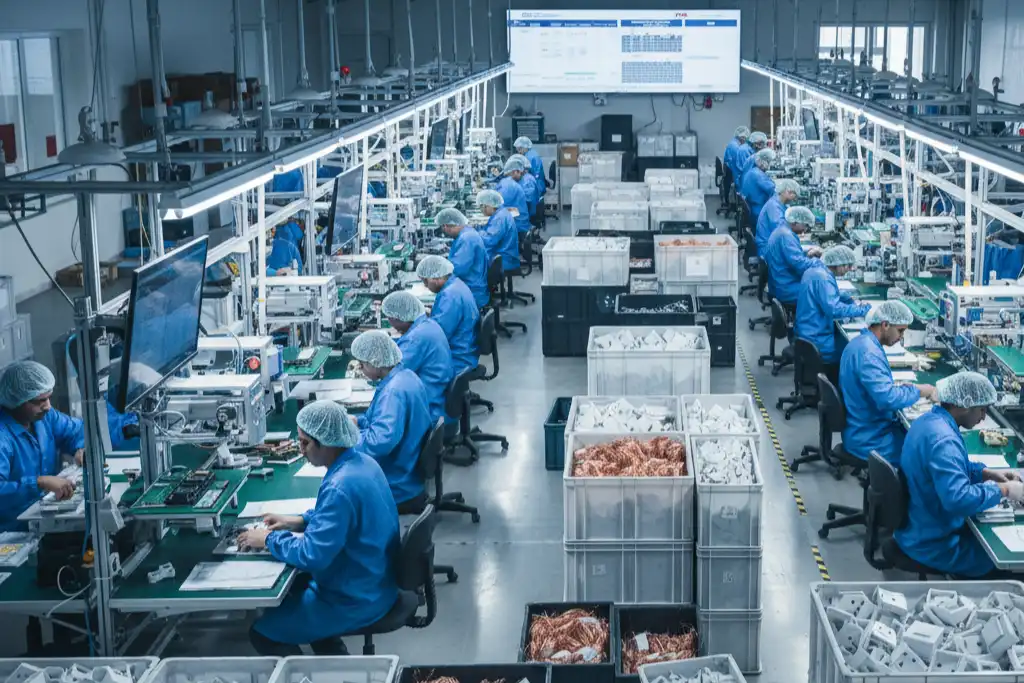
You need a socket maker who can make enough for your orders. Production capacity means how many sockets a company can make each month. Some factories have more than one line to make sockets. This helps them finish big orders and rush jobs. You should ask about their machines and how fast they can change to make different sockets. A strong setup helps you avoid waiting too long.
You can check these things:
- How many lines they have
- How many sockets they make each month
- If they can handle rush orders
- If they can switch to new socket types fast
A good maker keeps your supply steady. You get your sockets on time and do not run out. Fast work also helps you start selling new sockets quickly.
Experience and Expertise
Industry Track Record
Check how long the socket maker has worked. A company with many years knows how to fix problems fast. Ask how many years they have made sockets. See if they worked with big brands or did large orders. If they have a good record, they know what OEM and ODM customers want. You can trust them to make products that fit your needs.
Experienced makers keep making their work better. They learn from mistakes and use new tools. Ask for a list of their old projects. Look for awards or certificates that show their skills. A good history helps you feel sure about your choice.
Tip: Ask the maker about their biggest jobs and how they solved hard problems. This shows if they can handle your needs.
References
Always ask for references before you pick a socket maker. References help you see how the company treats other customers. Talk to past clients and ask if the maker finished on time and kept quality high. Good references show the company talks well and fixes problems fast.
Here is a table with key things to check when you look at references:
| Criteria | Description |
|---|---|
| Capabilities | Can they meet the technical requirements? |
| Quality | Do they adhere to standards and maintain consistency? |
| Communication | Is there a clear and reliable line of dialogue? |
Use these points to help you ask questions. Ask if the maker did what they promised. Check if they fixed problems quickly. Good talking helps you avoid mistakes and delays.
Note: Strong references help you feel safe. You know the maker can help your business and help you grow.
Socket Manufacturer Reliability
Quality Assurance
You want your sockets to work every time you use them. Good quality checks help stop problems and keep you safe. Top socket makers use many ways to make sure sockets are good. They make easy-to-follow guides with pictures for workers. They look at all materials before making sockets. Workers get good training and use tools that help stop mistakes. Special systems watch for problems as sockets are made. These systems catch issues early and stop bad sockets from leaving.
Here is a table that shows how these ways help lower mistakes:
| Strategy | Description |
|---|---|
| Standardize Work Instructions | Make step-by-step guides with pictures so workers do things the same way and make fewer mistakes. |
| Improve Incoming Material Quality | Check all materials and work with suppliers to get the best parts. |
| Strengthen Operator Training | Give workers good training and tools to help them not make mistakes. |
| Implement Real-Time Quality Monitoring | Use systems that watch for problems right away, so bad sockets do not get sent out. |
Tip: Ask your socket maker how they check quality. This helps you know your sockets will last and work well.
Supply Chain
A strong supply chain helps your business run well. Good socket makers work closely with their suppliers. They talk a lot and plan together to meet your needs. They have backup plans for delays or shortages. Smart computer tools help them guess what you will need and keep enough stock. They check quality at every step, so you get good sockets every time. Technology helps them find problems early and follow all the rules.
- Work well with suppliers to talk better and have fewer delays.
- Make backup plans to keep your business safe if something goes wrong.
- Use smart tools to keep enough stock and not run out.
- Check quality at every step to make customers happy.
- Use technology to spot problems early and follow the rules.
Note: Good supply chains help you get your products on time and keep your customers happy.
Intellectual Property and Design Ownership
OEM vs ODM
When you choose a socket manufacturer, you need to know who owns the design and intellectual property. OEM and ODM agreements work in different ways. In an OEM deal, you own the design and all the rights. You control how the product looks and works. The manufacturer makes the sockets based on your plans. You can change the design or keep it private.
In an ODM deal, the manufacturer owns the design and the rights. You can only rebrand the product and sell it under your name. You do not control the design or the technology inside. The manufacturer decides how the socket works and looks.
Here is a table that shows the main differences:
| Model | Design Ownership | IP Rights |
|---|---|---|
| OEM | You own the design and IP | Manufacturer keeps internal designs and tooling |
| ODM | Manufacturer owns all IP rights | You can only rebrand and sell the product |
You should think about your business goals before you choose. If you want full control, OEM is better. If you want a quick solution, ODM might work for you.
IP Protection
Protecting your ideas and brand is very important. You need to make sure your socket manufacturer keeps your designs safe. Many manufacturers focus on brand protection. They try to stop others from exporting your OEM products to your home market. You should talk about these risks before you sign any agreement.
There is always a risk of leaks in technology and design. You need to highlight these risks to the manufacturer. This helps protect your brand image and keeps your products unique.
- Ask the manufacturer about their steps to protect your intellectual property.
- Make sure they have rules to stop leaks and keep your designs private.
- Check if they use contracts that protect your brand and ideas.
Tip: Always review the agreement carefully. Make sure you understand who owns the design and how your ideas stay safe.
Cost and Value
Pricing
It is important to know how pricing works. Socket makers use different ways to set prices. Some companies give you one price for everything. This covers things like PCB assembly, testing, and inspection. You do not get a separate bill for each service. Other companies use OEM cost models. These models help you see and manage your project costs. Some makers show the price for each part and service. This is called line-item pricing. It helps you see exactly what you pay for.
Here is a table that explains the pricing models:
| Pricing Model Type | Description |
|---|---|
| All-Inclusive Manufacturing | This model includes many services like PCB assembly, testing, and inspection. You pay one price for all. |
| OEM Cost | This model helps you track and manage costs for both you and the manufacturer. |
| Line-Item Pricing | You see the cost for each part and service. This makes pricing clear for you. |
You should ask your socket maker which pricing model they use. This helps you plan your money and avoid surprises. If you want to know every cost, line-item pricing is best. If you want a simple bill, all-inclusive is easier.
Tip: Always check the pricing details before you sign a contract. This helps you keep control of your money and make smart choices.
Long-term Value
You should think about more than just the first price. Long-term value is important for your business. Good sockets last longer and need fewer replacements. This saves you money over time. Reliable sockets help you avoid problems and keep customers happy. Good makers give support and warranties. These protect your money and help you feel safe.
Think about these questions:
- How often will you need new sockets?
- Does the maker give strong warranties?
- Will you get help if you have problems?
- Can you trust the sockets to work well for years?
Picking a maker with good long-term value helps your business grow. You spend less on repairs and replacements. You build trust with your customers. You also avoid hidden costs that can hurt your profits.
Note: Look at total value, not just the lowest price. Quality and support matter a lot in the long run.
Support and Warranty
Technical Support
You need good technical support from your socket manufacturer. Fast help lets you fix problems quickly. If you have questions, you want answers right away. Good support gives you clear steps and easy guides. Some companies help by phone, email, or live chat. You can ask about products or get tips to fix issues. Quick help stops delays and keeps your business working well.
Tip: Pick a manufacturer who speaks your language and helps during your work hours. This makes getting help much easier.
A company that cares will train its workers well. You get answers from people who know the products. This helps you trust them and feel sure about your choice.
Warranty Policies
Warranty policies show if a company trusts its products. A strong warranty, like lifetime, means the sockets should last. You feel safe knowing you can get help if something breaks. Some companies make it easy to get new parts. You do not wait long or fill out lots of forms. This makes you happy and want to buy again.
Here is a table that shows what to check in warranty policies:
| Warranty Feature | Why It Matters |
|---|---|
| Lifetime warranty | Shows confidence in product durability |
| Easy replacement process | Saves time and reduces stress |
| Good customer service | Improves satisfaction and loyalty |
- Good warranty policies help you trust the manufacturer.
- Easy service means you get help fast.
- Strong support and warranty make you want to buy again.
After-sales service and warranty terms change how you feel about the company. If you get help quickly and easily, you stay loyal. You want to buy more because you know the company stands behind its products.
Note: Always check the warranty before you buy. Make sure you know how to get help and what is covered.
Time to Market
Lead Times
It is important to know what lead times mean. Lead time is how long it takes to get your sockets. Short lead times help you sell your products faster. Long lead times can slow you down and make you miss chances.
OEM and ODM models have different lead times. OEM takes longer to get started. ODM is faster but gives you less control. OEM lets you change things more easily. ODM makes it harder to switch parts.
| Aspect | OEM | ODM |
|---|---|---|
| Lead Time | Slower to set up | Faster to market |
| Flexibility | Easier to scale up | Harder to change |
| Control | More control over changes | Less control, depends on maker |
| Component Sourcing | Can pick parts based on cost and supply | Hard to swap parts |
| Market Responsiveness | Good for long-term plans | Fast but can create problems |
OEM gives you more control but takes longer. ODM is quick but you lose some choices. Lead times also change how you get parts. OEM lets you pick new parts if needed. ODM makes changing parts tough.
- Lead times help you plan when to launch.
- OEMs are slow at first but good for future changes.
- ODMs are fast but you depend on their supply chain.
Tip: Ask your maker for a timeline before you order. This helps you plan and avoid waiting too long.
Delivery Speed
Delivery speed means how fast you get your sockets. Fast delivery helps you keep your promises to customers. Slow delivery can make you run out of stock or upset buyers.
Top socket makers try to deliver on time. They use On-Time Delivery (OTD) rates to measure this. Here is a table that shows OTD rates in different industries:
| Industry | OTD Rate | Importance |
|---|---|---|
| Automotive Manufacturing | 95% or higher | High OTD rates stop delays and save money. |
| Electronics and High-Tech | 92-96% | Good OTD stops running out of stock and extra costs. |
| Consumer Goods Manufacturing | 90-95% | High OTD keeps enough products and avoids complaints. |
You should pick makers with high OTD rates. This means you get your sockets when you need them. Fast delivery saves money and keeps customers happy.
Note: Always check how well your maker delivers. Good delivery helps your business grow and builds trust.
You can make good choices by using a simple checklist. When you pick a socket manufacturer, look at three things. Check quality assurance, cost analysis, and delivery performance. Experts say these are important. Here is a table to help you understand:
| Component | Description |
|---|---|
| Quality Assurance | See how the supplier checks product quality. |
| Cost Analysis | Compare prices with what others charge. |
| Delivery Performance | Watch how often products come on time. |
You should change your checklist when things in the industry change. Updating it helps you keep up with new needs. Making changes early can help your suppliers do better. This way, you build strong OEM/ODM partnerships and help your business grow.
FAQ
What certifications should you look for in a socket manufacturer?
You need to look for UL, CE, and RoHS certifications. These show the sockets are safe and good quality. Always ask to see these certificates before you buy.
How can you check a manufacturer’s product quality?
Ask for test reports and certification papers from the company. You should also ask for samples to check yourself. Good manufacturers will give you these quickly.
Why does production capacity matter for your business?
Production capacity means how many sockets a company makes each month. If they make a lot, you get your orders on time. This helps you avoid waiting or running out.
What should you do if you need custom sockets?
Ask about what materials, logos, and packaging you can pick. Good manufacturers let you change many things. Always check the smallest order you need for custom work.
How do you protect your design and brand?
Sign clear agreements about intellectual property with the company. Ask how they keep your designs safe from others. Always read contracts carefully before you start.
See also
Top 10 Most Reliable Terminal Block Manufacturers in China
What is the Right Socket for Your Home, 15 Ampere or 20 Ampere
How to Identify the Most Suitable Wall Socket for Your Space
What Is the Maximum Number of Appliances a Socket Can Handle
How OEM Terminal Blocks Make Your Projects More Cost-Effective