If you are choosing between a metal or plastic socket cover, you might wonder which is better for your home. You want something that looks nice, lasts a long time, and keeps your family safe. Look at the table below to see how they compare:
| Factor | Metal Socket Covers | Plastic Socket Covers |
|---|---|---|
| Aesthetics | Smooth, fancy finish | Shiny, can look cheap |
| Durability | Does not crack or change color | Can bend or squeeze devices |
| Maintenance | Needs less care | Might need to be replaced |
| Safety | Stays strong, protects wires | Can break if screwed too tight |
| Environmental | Often made from recyclable steel or brass | Not always able to be recycled |
Think about your home’s look, who lives there, and your budget. This will help you pick the best one for your home.
Key Takeaways
- Metal socket covers last longer and do not get hot easily. They work well in places like kitchens and garages where people walk a lot.
- Plastic socket covers are not heavy and cost less money. They come in many colors and styles, so you can pick what you like for rooms that are not busy.
- Safety is very important. Metal covers keep wires safe and follow strict rules. Plastic covers can break if you make them too tight.
- Look at your home’s rooms. Pick metal covers for wet places. Use plastic covers in dry rooms to keep them safe and working well.
- Think about how much money you want to spend. Metal covers cost more at first but last longer. Plastic covers are cheaper but you might need to buy new ones more often.
Metal or Plastic Socket Cover Overview
Key Differences
Metal socket covers feel strong and heavy. They last longer than plastic covers. Metal covers can take hits and scratches. Plastic covers are lighter. They can break if you push too hard. Dropping something on plastic can crack it.
Safety is important to think about. Metal covers protect wires better. They do not melt or burn fast. Some plastic covers use cheap materials. Not all plastic covers stop fires well. This means they might not be safe in a fire.
How covers are made also matters. Metal covers are usually more trustworthy. Plastic covers may not follow strict rules. If you want a safe cover, metal is often best.
Many brands sell socket covers in the United States. Some top brands are:
- Delixi Group
- Philips
- Schneider Electric
- Siemens
- Legrand
- ABB
- Simon Electric
- Lonon
- Panasonic
- Gongniu Group
- Xiaomi
- Samsung
These brands have metal and plastic covers. You can choose what fits your style and budget.
Tip: If you have kids or pets, pick a socket cover that is very strong. This helps keep your family safe.
Quick Comparison Table
Here is a table to help you compare metal and plastic socket covers:
| Type of Socket Cover | Manufacturing Standards | Safety Features |
|---|---|---|
| Plastic | Does not follow any product rules | Made from cheap ABS plastic without fire protection |
| Metal | No special standards listed | Usually stronger and safer |
When you pick a socket cover, think about safety, strength, and style. Each type has good points. Your choice can make your home safer and look nice.
Safety
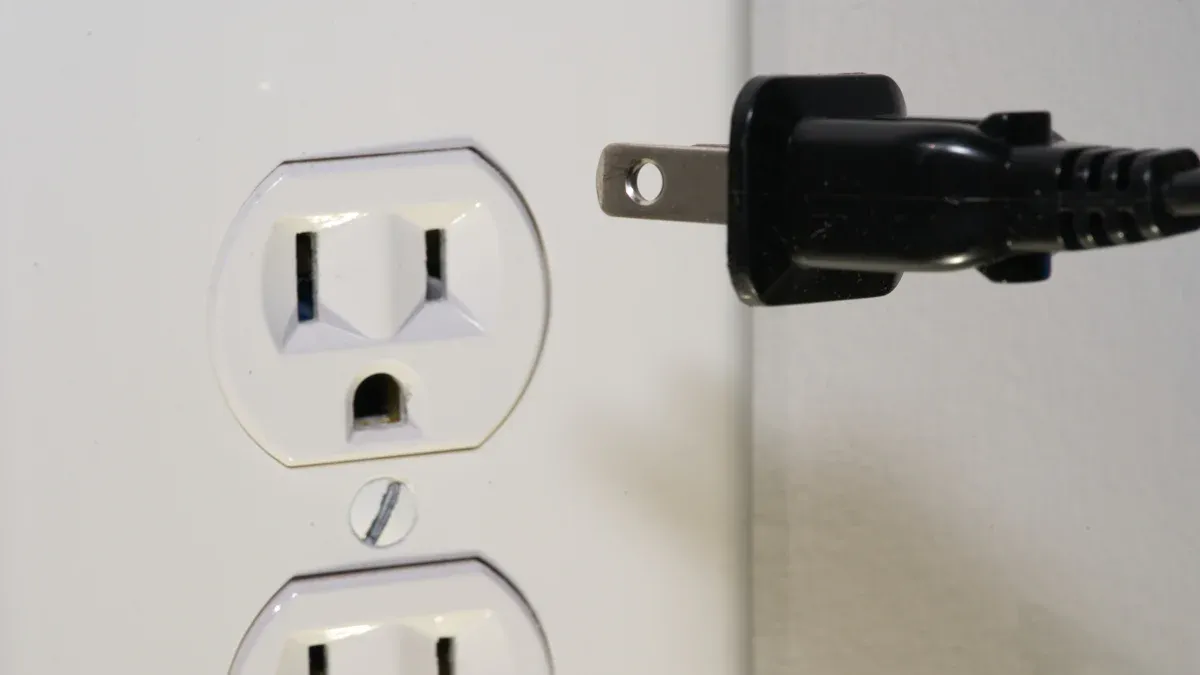
Metal Cover Safety
When you think about safety, metal socket covers stand out. Metal covers handle heat well. You can use them in places where things get hot, like kitchens or garages. Metal does not melt or burn easily. If you want extra protection, metal covers give you peace of mind.
Metal covers also help you follow building codes. Many local rules say you need strong covers in some rooms. Metal covers meet these rules. You can trust them to keep wires safe and stop sparks. If you drop something heavy, metal covers do not crack. They stay strong for years.
Tip: If you have outlets near stoves or heaters, metal covers work best. They protect against heat and damage.
Plastic Cover Safety
Plastic socket covers offer good safety for most homes. They do not conduct electricity, so you lower the risk of shocks. Plastic covers work well in bedrooms, living rooms, and places where things stay cool. You can find plastic covers with fire-resistant materials, but not all brands use them. Always check the label before you buy.
Plastic covers meet national electrical code requirements for extra duty or in-use covers. You can use them outside if they have weatherproof ratings. Some plastic covers break if you screw them too tight. If you want covers for busy areas, pick thicker plastic.
Here’s a quick look at how socket covers fit with local building codes:
| Requirement Type | Description |
|---|---|
| Installation Height | Local codes may specify the height at which temporary light sockets must be installed. |
| Bulb Types | Regulations may dictate the types of bulbs that can be used, such as requiring energy-efficient LEDs. |
| Protective Coverings | Some municipalities may require specific coverings to minimize light pollution or enhance safety. |
When you choose a metal or plastic socket cover, you meet most safety codes. Both types protect your home, but you need to match the cover to your room’s needs.
Durability
Metal Cover Durability
When you look at metal socket covers, you notice how tough they feel. Metal covers stand up to bumps and drops. If you have a busy hallway or a kitchen with lots of action, metal covers keep their shape. They do not crack or bend easily. You can count on them to last for years.
Metal covers, especially those made from aluminum, resist rust and corrosion. This is important if you live in a humid area or have outlets outside. The outer layer of aluminum forms a shield that protects against moisture. You do not have to worry about the cover getting weak or rusty. Here are some reasons why metal covers work well in tough places:
- Metal covers handle impacts from bags, shoes, or cleaning tools.
- Aluminum covers fight off rust, even in damp rooms.
- Metal covers stay strong in high-traffic areas.
Many metal covers come with slim profiles and beveled edges. These features help them fit tight spaces and look stylish. You get both strength and a modern look.
Tip: If you want a socket cover for your garage, basement, or outdoor patio, metal is a smart choice.
Plastic Cover Durability
Plastic socket covers feel light and easy to handle. You might like them for bedrooms or living rooms. They do not conduct electricity, so they are safe for most spots. Plastic covers cost less and come in many colors.
Plastic covers do not match metal when it comes to strength. If you drop something heavy or hit the cover, it might crack. Over time, plastic can change color, especially in sunlight. You may see yellow spots or fading. In humid places, plastic covers do not resist moisture as well as metal.
Here are some things to think about with plastic covers:
- Plastic covers can break if you screw them too tight.
- They may bend or squeeze devices plugged into the outlet.
- Sunlight and moisture can make plastic covers fade or weaken.
Plastic covers are lighter, so shipping them uses less energy. Making plastic covers creates fewer greenhouse gases than making metal ones. You help the environment by choosing lightweight covers, but you may need to replace them more often.
When you compare a metal or plastic socket cover, think about where you plan to use it. Metal covers win in tough spots. Plastic covers work well in gentle spaces.
Appearance
Metal Cover Style
When you look at metal socket covers, you notice their sleek and modern vibe. You see beveled edges and slim profiles that fit right into today’s home design trends. Metal covers often come with sophisticated finishes that add a touch of luxury to any room. You can choose from a range of colors and textures, so your outlets match your style.
Here are some popular finishes you might find:
- Satin bronze gives you a warm, rich look that works well with cozy furnishings.
- Raw brass develops a vintage feel over time, perfect if you want character.
- Copper brings a bold touch and stays shiny with a protective sealant.
- White wrinkle offers a matte texture that hides fingerprints and keeps things looking clean.
Many homeowners love metal covers because they blend into minimalist spaces or stand out as statement pieces. You can pick a cover that matches your furniture or use it to show off your creativity. If you want something that lasts and looks sharp, metal covers make a strong choice.
Tip: Try matching your metal socket covers with cabinet handles or light fixtures for a unified look.
Plastic Cover Style
Plastic socket covers give you lots of options for style and color. You can find them in almost any shade, shape, or size. This means you can match your covers to your walls, furniture, or even your favorite artwork. Plastic covers feel smooth and clean, which helps them blend into your space.
Here’s what makes plastic covers stand out:
- You get a wide variety of colors, shapes, and sizes for easy customization.
- Plastic covers blend into your decor, making outlets less noticeable.
- Modern designs feature stylish finishes and textures that fit many architectural styles.
If you like to change your room’s look often, plastic covers make it easy. You can swap them out for new colors or designs without spending much. Many people use plastic covers in contemporary homes because they fit with both simple and bold styles. You can even find covers with decorative patterns or custom designs to show off your personality.
Note: If you want a smooth, clean look or need to match a unique color scheme, plastic socket covers are a great pick.
When you compare a metal or plastic socket cover, think about how each style fits your home’s vibe. You can go for a classic, elegant look with metal or choose playful and modern with plastic. The choice is yours!
Cost
Metal Cover Cost
When you shop for socket covers, you might notice that metal covers usually cost more than plastic ones. The price goes up because metal is a stronger material. Making metal covers takes more work and special tools. You also get more choices in design and finish, which can raise the price even more.
Here are some things that affect the cost of metal socket covers:
- Metal covers use materials like stainless steel, brass, or aluminum. These cost more than plastic.
- The process to make metal covers is more complex. It takes extra steps to cut, shape, and finish the metal.
- You can find metal covers in many styles, from simple to fancy. Special finishes like brushed nickel or antique brass can make the price go up.
- Metal covers last longer, so you might not need to replace them as often.
You might pay more at first, but you get a cover that stands up to bumps, scratches, and even heat. If you want something that looks sharp and lasts for years, metal covers are a smart investment.
Tip: If you want to match your socket covers with other metal fixtures in your home, metal covers give you more options.
Plastic Cover Cost
Plastic socket covers usually cost less. You can find them in almost any hardware store, and they fit most budgets. The lower price comes from the cheaper material and the simple way they are made.
Here’s why plastic covers are more affordable:
- Plastic is less expensive to produce than metal.
- Making plastic covers takes less time and fewer steps.
- You can buy them in packs, which saves even more money.
If you want to update every room or need to cover lots of outlets, plastic covers help you save. They come in many colors and shapes, so you can still find something that fits your style. Just remember, you might need to replace them sooner if they crack or fade.
Note: If you are working with a tight budget or want to change your decor often, plastic socket covers are a great choice.
Installation
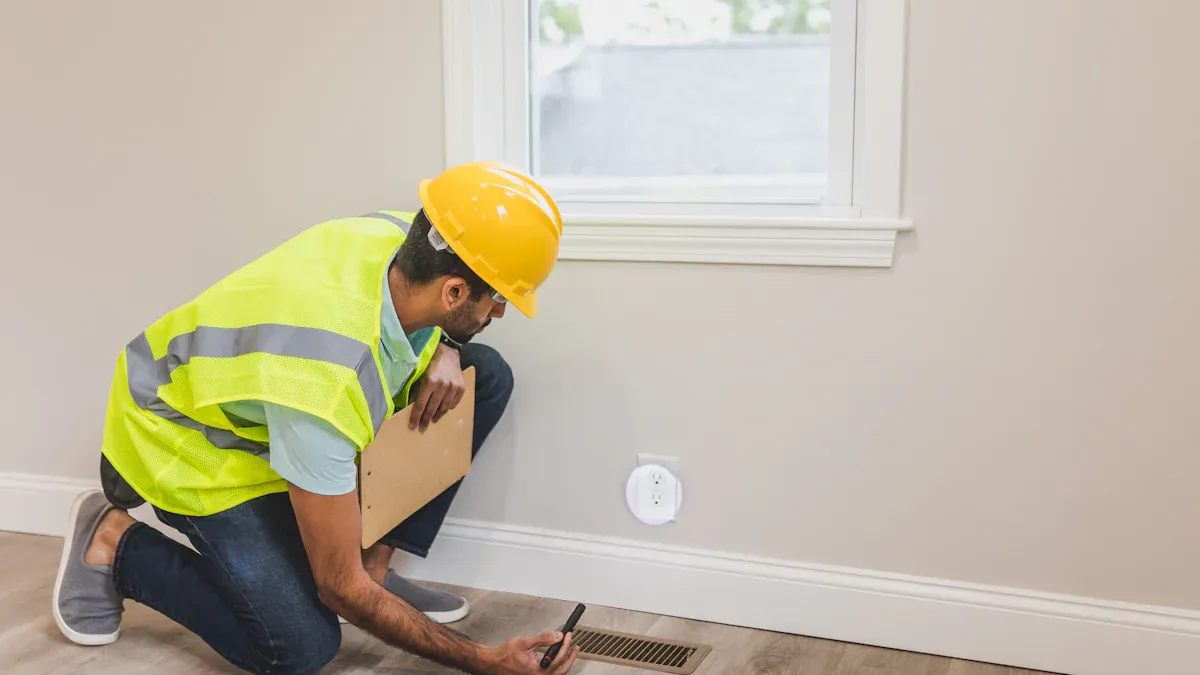
Installing Metal Covers
You might think installing a metal socket cover sounds tricky, but it’s actually pretty simple. Metal covers work with both plastic and metal electrical boxes. You just need a screwdriver and a few minutes.
Here’s how you can do it:
- Turn off the power at the breaker. Safety first!
- Remove the old cover by unscrewing it.
- Line up the new metal cover with the outlet or switch.
- Use the screws that come with the cover to attach it.
- Tighten the screws, but don’t overdo it. Metal covers sit flat and don’t need much force.
Metal covers usually have a slim profile. This means they fit well in tight spots, like behind furniture or in small corners. You get a clean look without extra bulk.
Tip: If you have a metal electrical box, make sure the screws are tight. This helps keep the cover secure and safe.
Installing Plastic Covers
Plastic socket covers are even lighter and just as easy to install. You can use them with both plastic and metal electrical boxes. The process is almost the same as with metal covers.
Try these steps:
- Turn off the power at the breaker.
- Take off the old cover.
- Place the new plastic cover over the outlet.
- Screw it in gently. Plastic can crack if you use too much force.
Plastic covers are a bit thicker than metal ones, but they still fit most spaces. You can find them in many shapes and sizes, so you can match your room’s style.
Note: If you’re working in a tight space, check the thickness of the plastic cover before you buy. Some are bulkier than others.
You don’t need special tools or skills for either type. Just take your time, and you’ll have new socket covers in no time!
Maintenance
Cleaning Metal Covers
Metal socket covers look sharp, but they can show fingerprints and smudges. You want to keep them looking their best. Cleaning them is easy and quick. Grab a soft cloth and a little bit of mild soap mixed with water. Wipe the cover gently. Dry it with a clean towel. You do not need fancy cleaners.
If you see stubborn spots, try a mix of baking soda and water. Rub the paste on the mark, then wipe it off. For shiny finishes like brass or copper, use a polish made for that metal. Always check the label before you use any cleaner.
Tip: Never use steel wool or rough sponges on metal covers. These can scratch the surface and ruin the finish.
Here’s a simple cleaning routine for metal covers:
- Dust with a dry cloth once a week.
- Wipe with soapy water once a month.
- Polish every few months if you want extra shine.
Metal covers resist stains and do not hold onto dirt. You spend less time cleaning and more time enjoying your home.
Cleaning Plastic Covers
Plastic socket covers need a little more care, especially if you want them to stay bright and clean. Dust and dirt can stick to the surface. Use a damp cloth with mild soap to wipe them down. Dry with a soft towel. Avoid harsh chemicals because they can make the plastic fade or crack.
If you see stains, try a gentle cleaner or a paste of baking soda and water. Rub gently. Do not scrub hard. Plastic scratches easily.
Note: If your plastic cover turns yellow or looks old, you can replace it. Plastic covers cost less, so swapping them out is easy.
Keep your plastic covers looking fresh with these steps:
- Dust every week.
- Wipe with soapy water when you clean the room.
- Replace covers if they get cracked or discolored.
A little care keeps your socket covers looking new and your home feeling tidy.
Choosing the Best Option
Metal or Plastic Socket Cover Recommendation
You want your home to be safe, stylish, and easy to maintain. Picking between a metal or plastic socket cover depends on what matters most to you. If you care about durability and a sleek look, metal covers stand out. They resist bumps, scratches, and heat. You can use them in busy rooms, like kitchens or hallways, and they last for years.
Plastic covers work well if you want something light and affordable. You find them in many colors and shapes. They blend into your walls and are easy to swap out when you want a new look. If you have kids or pets, plastic snap-on covers help hide outlets and make them less tempting. You install them yourself, and they cost less.
Let’s look at some things you should think about before you decide:
- Metal covers give you a slim profile and a fancy finish.
- Plastic covers offer more color choices and are easy to replace.
- Both types meet safety codes, but metal covers handle heat and impact better.
- Plastic covers do not conduct electricity, which lowers shock risk.
If you have rooms with lots of moisture, like bathrooms or kitchens, you need covers that stand up to humidity. Polycarbonate covers work well in these places. They keep water out and protect against power shocks. Look for covers with an IP66 rating for the best protection.
Tip: Upgrade your outlets and covers to meet modern safety standards. You lower the risk of shocks and fires, and you save money on repairs over time.
Tips for Decision-Making
You want to make the right choice for your family and your home. Here are some tips to help you pick the best socket cover:
- Think about who lives in your home. If you have young children or pets, plastic snap-on covers hide outlets and keep them safe. They are cheap and easy to install, but they can look bulky.
- Check the room’s environment. In places with high humidity, like bathrooms or kitchens, choose covers made from durable polycarbonate. These covers resist moisture and keep your outlets safe.
- Look for safety features. Covers designed for wet areas protect against splashes and shocks. An IP66 rating means the cover works well in wet conditions.
- Match your style. Metal covers give you a modern, elegant look. Plastic covers let you play with colors and designs.
- Consider your budget. Plastic covers cost less and are easy to replace. Metal covers cost more but last longer.
- Upgrade your outlets and covers when needed. New covers meet current safety standards and help your electrical system work better. Timely upgrades prevent hazards and lower maintenance costs.
Note: Always pick covers that fit your outlets. Standard sizes make installation easy and keep your home looking neat.
You have many choices when it comes to a metal or plastic socket cover. Think about your needs, your style, and your budget. You can make your home safer and more beautiful with the right cover.
You want a socket cover that fits your home and keeps everyone safe. Metal covers give you strength, style, and heat resistance, but you need to watch out for shock risk. Check out this quick table:
| Pros | Cons |
|---|---|
| Durability and Strength | Risk of Electrical Shock |
| Elegant Look | |
| Heat Resistance |
Think about your room, who lives there, and your budget. For extra help, here are some options:
| Type of Cover | Benefits |
|---|---|
| Child Safety Covers | Stops kids from poking outlets |
| Outlet Boxes | Adds more protection |
| Socket Lockit | Lowers chance of accidents |
| Power Strip Covers | Makes power strips safer for children |
Pick what works best for you and your family!
FAQ
Can you paint socket covers to match your walls?
Yes, you can paint both metal and plastic socket covers. Use spray paint or acrylic paint for best results. Make sure you clean the cover first. Let it dry before you put it back.
Do metal socket covers increase shock risk?
Metal covers can conduct electricity if wires touch them. Always check that wires stay inside the box. If you install the cover correctly, you lower the risk. You stay safe by turning off the power before you start.
Which socket cover works best outdoors?
You want a cover that resists water and sunlight. Metal covers last longer outside, but plastic covers with weatherproof ratings also work well. Look for covers marked “outdoor” or “weatherproof” for the best protection.
How often should you replace socket covers?
Replace socket covers if you see cracks, discoloration, or damage. Metal covers last many years. Plastic covers may need swapping every few years, especially in busy rooms or sunny spots.
Are socket covers safe for homes with kids?
Yes! You can buy child safety covers for both metal and plastic sockets. These covers block little fingers from touching outlets. You keep your kids safe and your home worry-free. 👶
See also
Common troubleshooting of molded case circuit breakers
NEC Code of Junction Box Requirements Made Simple
Where is the best place to install a molded case circuit breaker?
What is the Right Socket for Your Home, 15 Ampere or 20 Ampere
Step by Step Guide to Installing Miniature Circuit Breakers