An RCCB, or Residual Current Circuit Breaker, is very important. It keeps you safe from electrical dangers by finding current leaks from faults and turning off power fast. This stops shocks and fires. To ensure safety, it is essential to install and test RCCB regularly. Testing it often is crucial as it demonstrates that the RCCB works effectively during a fault. This practice lowers fire risks and complies with safety regulations in many areas. Therefore, installing and testing RCCB is vital for protecting both people and property.
Key Takeaways
- RCCBs stop shocks and fires by cutting power during current leaks.
- Test your RCCB monthly using the test button to stay safe.
- Turn off the main power before installing or testing an RCCB.
- Wear safety gear like rubber gloves and shoes to stay protected.
- If you’re unsure, ask a licensed electrician for help and safety.
Understanding RCCBs and Their Importance
What is an RCCB?
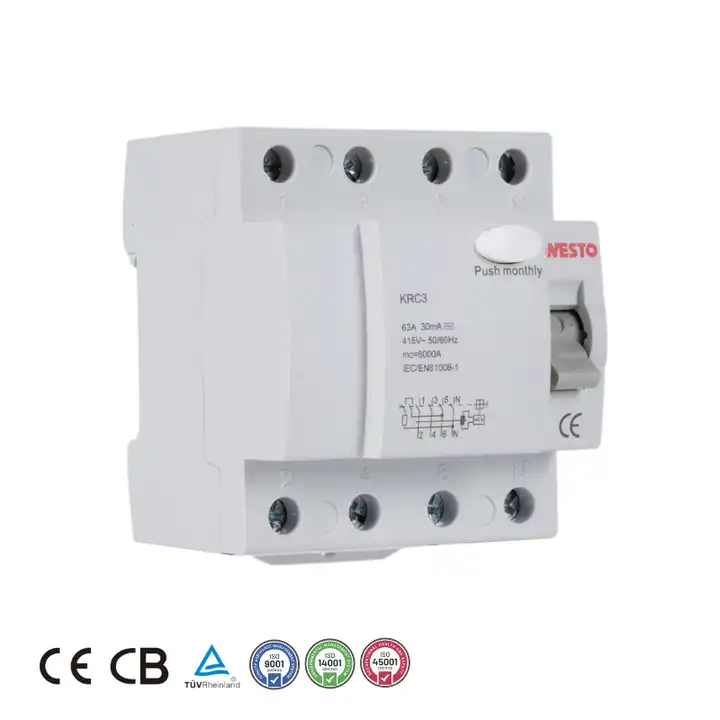
An RCCB, or Residual Current Circuit Breaker, is a safety tool. It protects people from electrical dangers by checking electricity flow. If it finds a leak, like from a broken wire, it shuts off power fast. This helps stop electric shocks and lowers fire risks.
RCCBs follow strict safety rules. They always check for unusual current changes caused by leaks. These devices are important at home and in workplaces. They help meet safety laws and keep people safe. Installing and testing RCCBs makes homes and jobs safer for everyone.
Why are RCCBs essential for electrical safety?
RCCBs are key to keeping people and property safe from electricity. They stop dangerous events, like electric shocks, from happening. For instance, if someone touches a live wire, the RCCB will turn off power quickly. This fast action can save lives.
RCCBs also help stop electrical fires. Leaks in electricity can cause heat and start fires if ignored. By cutting off power, RCCBs prevent this danger. They are especially useful in places with lots of electrical use, where problems are more likely.
Tools and Safety Gear for Installing and Testing RCCBs
Essential tools for installation
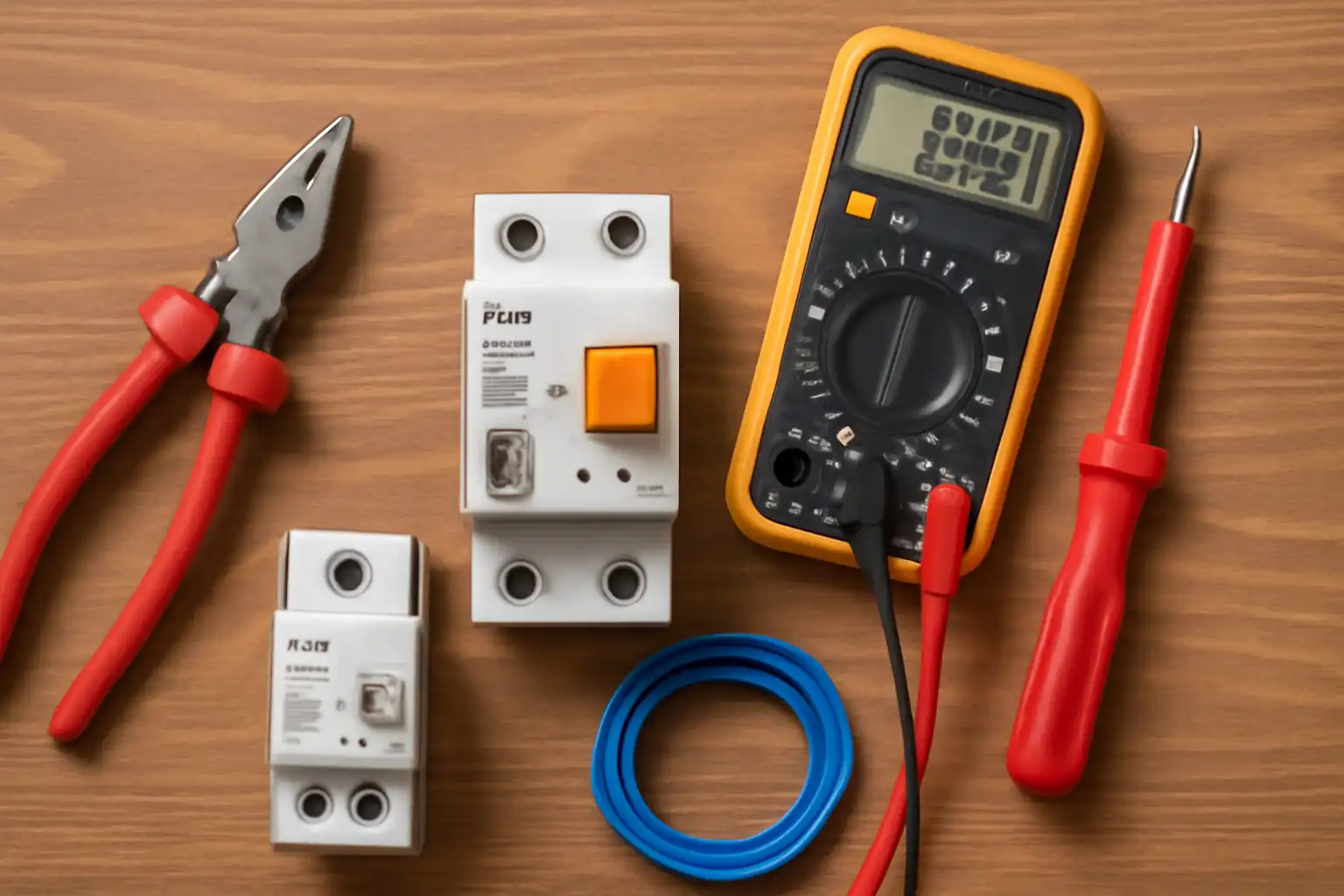
To set up and check RCCBs, you need proper tools. Use a screwdriver set to tighten or loosen screws. Wire strippers are helpful for removing wire coverings without harm. A multimeter is very important. It checks voltage and ensures wires are connected right. A drill might be needed to make extra holes in the box. Keep these tools nearby to make the job easier and faster.
Safety gear to ensure protection during installation
Safety is the most important thing when working with electricity. Wear Class 0 rubber gloves to protect against up to 1,000 volts. These gloves stop electricity from passing through. Put on safety shoes that resist electric shocks. Their special soles lower the chance of getting shocked. Also, wear goggles to protect your eyes from sparks or flying bits. Using the right safety gear reduces risks and keeps you safer.
Tip: Always check your safety gear for any damage first. Even small rips in gloves or worn-out shoes can make them unsafe.
Materials checklist for a successful installation
Get all your materials ready before starting. You’ll need the RCCB and any matching circuit breakers. Make sure you have enough wires of the right size. A box or panel is needed to hold the RCCB securely. Don’t forget screws and a test button if it’s not already included. Having everything prepared saves time and avoids delays.
Note: Check your RCCB and other parts to ensure they match your system.
How to Install and Test RCCB Step by Step
Getting ready for installation (turning off the main power)
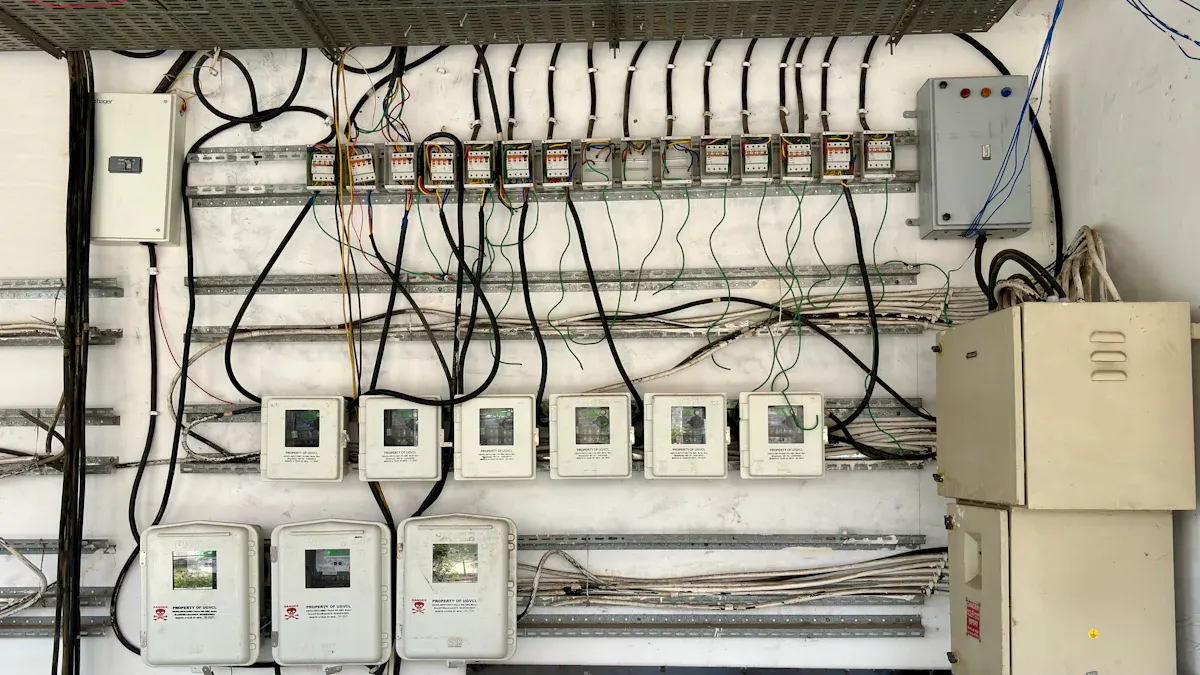
First, turn off the main power for safety. Find your home’s main electrical panel. Switch off the main circuit breaker to stop electricity flow. Use a multimeter to check if the power is fully off. Place the probes on the live and neutral terminals. If the reading shows zero volts, it’s safe to start.
Tip: Tell everyone at home about the power shutdown. This avoids anyone turning it back on by mistake.
Connecting the RCCB wires (live, neutral, and ground)
Wiring the RCCB correctly is very important. Identify the live, neutral, and ground wires in your system. These wires are often color-coded, but check your local wiring rules to be sure.
Attach the live wire to the terminal marked “L” or “Line.” Connect the neutral wire to the terminal labeled “N” or “Neutral.” Secure the ground wire to the ground terminal. Tighten all screws well to keep the wires in place.
RCCBs detect current leaks and trip when leakage is above 15-30mA. This protects against faults between live and earth or neutral and earth. In some areas, RCBOs are used instead of RCCBs. RCBOs combine RCCB and circuit breaker functions. They detect both current leaks and overloads.
- Wiring methods can differ by location. For example:
- In Europe, double pole (DP) RCBOs need special wiring.
- RCBOs detect ground faults, like live-to-earth or neutral-to-earth, for better safety.
Note: Check all connections twice before moving on. Wrong wiring can make the RCCB not work properly.
Fixing the RCCB in the distribution box
After wiring, place the RCCB in the distribution box. Line it up with the DIN rail inside the box. Push it until it clicks into place. If there’s no DIN rail, use screws to attach the RCCB to the panel.
Make sure the RCCB is upright, with terminals easy to reach. Arrange the wires neatly to avoid tangles or disconnections. Use cable ties if needed to keep wires organized.
Tip: Label the RCCB and its circuit for easy recognition. This helps during checks or repairs later.
By following these steps, you can install and test RCCB safely. A proper setup ensures the RCCB works well, protecting against electrical dangers.
Testing the RCCB using the test button
Testing the RCCB with its test button is very important. The button creates a small current imbalance to mimic a fault. When pressed, the RCCB should trip and cut off power. This shows it can detect leaks and act during real problems.
Here’s how to test the RCCB with the test button:
- Turn on the power supply: Make sure the RCCB is connected, and the main power is on. This step is needed for the test button to work.
- Press the test button: Find the test button on the RCCB. It often says “Test” or has a symbol. Press it firmly.
- Observe the response: The RCCB should trip right away, cutting the circuit. If it doesn’t, the RCCB might be broken or not installed correctly.
Tip: Test the RCCB every month to check its performance. Regular testing keeps it reliable and ready to stop electrical dangers.
Many RCCBs, like those from Siemens, have a built-in test button. This feature lets you check the RCCB without extra tools. Testing often helps keep safety standards high and avoids risks.
Performing a live test to verify functionality
After using the test button, do a live test to confirm the RCCB works in real situations. This test creates a controlled fault to see if the RCCB trips properly. Follow these steps carefully:
- Prepare for the test: Check that the RCCB is installed right and the main power is on. Double-check all connections to avoid mistakes.
- Simulate a fault: Use a test device or create a small leak between the live and ground wires. This step copies a real fault condition.
- Monitor the RCCB’s response: The RCCB should trip instantly, cutting the circuit. If it doesn’t, check the wiring and RCCB for problems.
Note: Always stay safe during live tests. Wear safety gear and use insulated tools to lower risks. If unsure, ask a licensed electrician for help.
Live testing gives extra proof that the RCCB works well in real faults. By doing both test button and live tests, you ensure the RCCB protects your electrical system fully.
Safety Tips for Installing and Testing RCCBs

Precautions to take before starting the installation
Before installing an RCCB, focus on safety to avoid harm. Follow these steps for a safe and smooth process:
- Turn off the main power supply: Switch off the main breaker to stop electricity flow. Use a multimeter to check there’s no voltage left.
- Inspect the RCCB and tools: Look for any damage on the RCCB or tools. Make sure screwdrivers and wire strippers are in good shape.
- Wear protective gear: Put on rubber gloves, safety shoes, and goggles. These items protect you from shocks and flying debris.
- Work in a dry environment: Stay away from wet or damp areas. Water increases the chance of electric shock.
- Inform others: Tell everyone nearby about the installation. This stops anyone from turning the power back on by mistake.
Tip: Use a flashlight if the area is dark after turning off the power.
Common mistakes to avoid during installation
Errors during installation can make the RCCB unsafe or not work. Avoid these mistakes for a proper setup:
- Incorrect wiring: Check live, neutral, and ground wires carefully. Wrong connections can stop the RCCB from working during faults.
- Loose connections: Tighten screws well to keep wires secure. Loose wires can cause overheating or sparks.
- Skipping the test button check: Always press the test button after installation. Skipping this step means you won’t know if the RCCB works.
- Using damaged components: Don’t use worn-out wires, screws, or panels. Faulty parts can cause the system to fail.
- Ignoring local regulations: Follow your area’s electrical rules. Breaking these rules can lead to fines or unsafe setups.
Alert: If you’re unsure about wiring or rules, read the manual or ask an expert.
When to consult a licensed electrician
Sometimes, you need a licensed electrician to help. Knowing when to call one can save time and prevent problems.
- Complex installations: If your system has many circuits or special equipment, an electrician can set it up correctly.
- Unfamiliar wiring systems: Older homes or unusual wiring may be tricky. An electrician can fix these issues.
- Faulty RCCB behavior: If the RCCB doesn’t trip or acts oddly, a professional can find the problem.
- Compliance concerns: Electricians know local rules and ensure your setup is safe and legal.
Note: For commercial or industrial setups, always hire a licensed electrician. These systems are more complicated.
By following these tips, you can reduce risks and make sure your RCCB works well. If unsure, always get professional help to stay safe and follow the rules.
Setting up and testing an RCCB has simple steps. First, turn off the main power supply. Next, connect the wires to the right terminals. Then, secure the RCCB in the distribution box. Finally, test it using the test button and live test. These steps make sure the RCCB works to stop electrical dangers.
Safety and regular checks are very important. Good installation and care help the RCCB work better. Systems checked often fail 30% less and save 20% more energy. This lowers costs and keeps risks down.
Reminder: If you’re unsure about any step, ask a licensed electrician. They make sure your system is safe and follows the rules.
FAQ
1. How often should you test an RCCB?
Test your RCCB once a month using the test button. Regular checks make sure it works and keeps you safe. Set a reminder or mark your calendar to stay on track.
Tip: Testing often keeps your RCCB ready to stop electrical problems.
2. Can you install an RCCB without professional help?
Yes, you can install an RCCB if you know basic electrical work and follow safety rules. For tricky setups or if unsure, call a licensed electrician. They ensure it’s installed right and follows local rules.
Alert: Wrong installation can cause problems or make it unsafe.
3. What should you do if the RCCB doesn’t trip during testing?
If the RCCB doesn’t trip, check the wires and connections. Make sure the test button works. If it still fails, replace the RCCB or ask an electrician to inspect it.
Note: A broken RCCB cannot protect you from electrical dangers.
4. Are RCCBs suitable for all electrical systems?
RCCBs work well in most homes and offices. But they might not fit systems with high leakage currents, like in factories. Ask an expert to pick the right device for such setups.
| System Type | RCCB Suitability |
|---|---|
| Residential Homes | ✅ Works Well |
| Commercial Buildings | ✅ Works Well |
| Industrial Facilities | ⚠️ Ask an Expert |
5. What’s the difference between an RCCB and an RCBO?
An RCCB stops current leaks to prevent shocks. An RCBO does this and also protects against overloads. Use an RCBO if you need both features in one device.
Example: RCCBs stop shocks, while RCBOs also handle circuit overloads.
The following information may be of interest to you
Which RCCB Type is Right for You? Type A vs Type B
How to choose a household residual current circuit breaker
Top 8 Residual Current Circuit Breaker Brands for Home Safety
What Are Residual Current Circuit Breakers and How Do They Work