
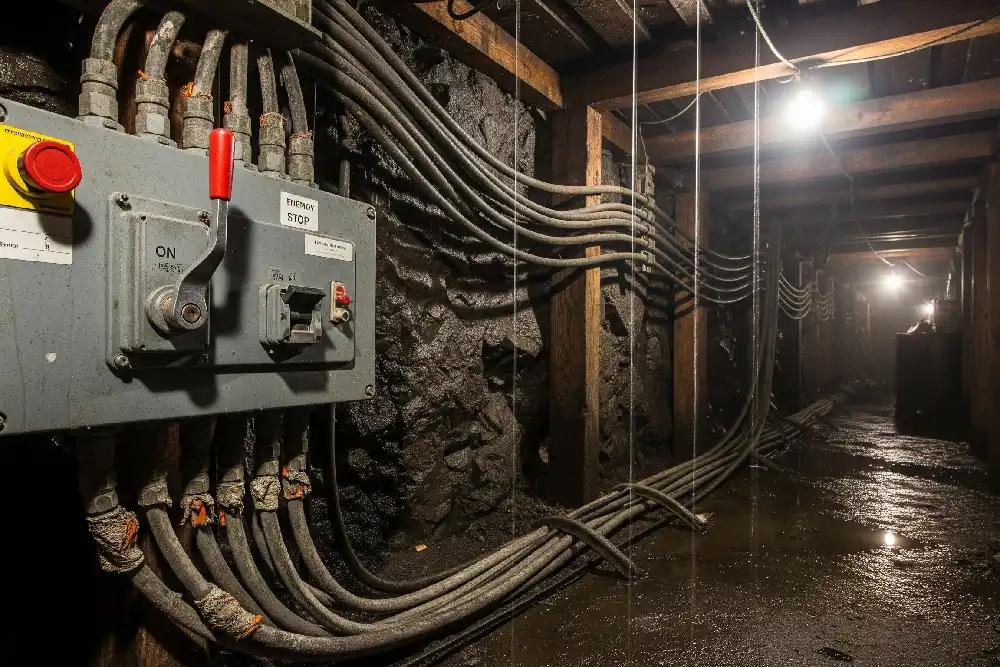
Reliable circuit breakers keep mining work safe from faults. High humidity and many impacts make these places risky. You are more likely to get hurt by electricity here than in other jobs.
| Industry | Electrical Fatality Rate Comparison | Related Injuries |
|---|---|---|
| Mining | 8-12 times higher | 75% related to electricity |
| Other Industries | Lower than mining | Varies |
You need a Mining industry circuit breaker that can handle wet, dusty, and rough places. Pick strong designs with the right ratings for good protection.
Key Takeaways
- Pick circuit breakers with waterproof cases and materials that do not rust. This helps protect them from wet air and rust. – Use strong breakers that can handle hits and shaking in mines. This makes sure they work well and last longer. – Make sure the breakers follow safety rules like NEMA 4X and ATEX. This keeps workers safe and follows the law. – Check circuit breakers often for any damage and fix them when needed. This helps find problems early and makes them last longer. – Talk to experts to choose the best breaker for your mine. Always put safety first.
Mining Industry Circuit Breaker Selection
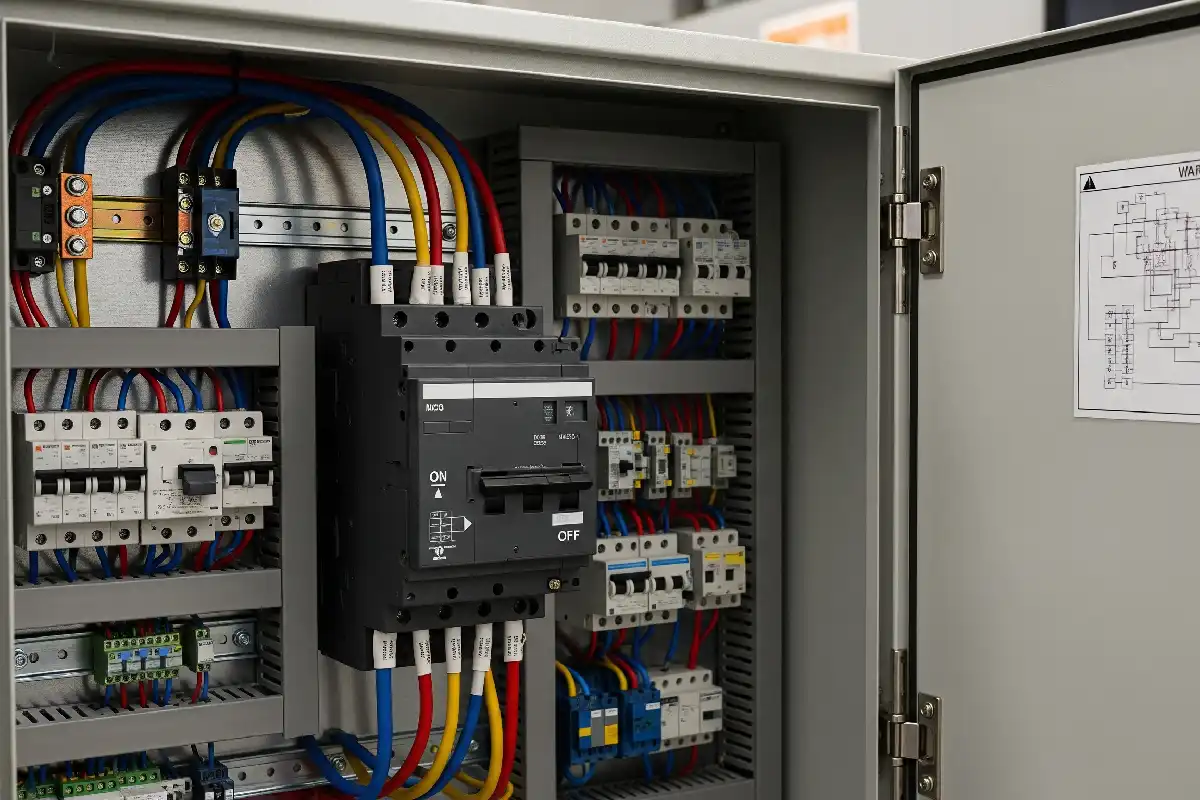
Moisture and Corrosion Protection
Mining sites are often wet and humid. Water can get on equipment and cause problems. You need a Mining industry circuit breaker that works in these tough places. If water gets inside, it can make the breaker rust or stop working. Dust and water can hurt the inside parts. To stop this, pick circuit breakers that block water and fight rust.
Many circuit breakers use special materials and coatings to stop rust:
| Material/Coating | Description |
|---|---|
| Stainless Steel | High resistance to rust and corrosion, ideal for exposed parts. |
| Galvanized Steel | Coated with zinc to protect against moisture and corrosion. |
| Aluminum | Naturally resistant to corrosion, used for non-load-bearing parts. |
| Epoxy Coatings | Creates a waterproof barrier to prevent moisture penetration. |
| Polyurethane Coatings | Provides additional protection against moisture and corrosion. |
| Corrosion Inhibitors | Chemicals applied to prevent or slow the corrosion process. |
You should also check how much humidity the Mining industry circuit breaker can handle. Some types, like vacuum interrupters and MCCBs with extra protection, work well even when it is very humid. These breakers keep working in wet and steamy mines.
Tip: Always pick a Mining industry circuit breaker with a waterproof case and parts that do not rust for the best safety.
Impact and Durability Features
Mining sites are rough and busy. Big machines, falling rocks, and shaking can break electrical gear. You need a Mining industry circuit breaker that can take hits and keep working. If you choose the wrong one, it might trip too much or break early.
Vacuum interrupters and MCCBs with extra protection are strong. They can handle bumps and shaking. Do not use circuit breakers that are not made for hard impacts. Some people make mistakes by picking the wrong low-voltage breaker or not adjusting for tough places.
To help your breaker last longer, look for these things:
- Strong cases made from thick stainless steel.
- Mounts that absorb shocks.
- Designs that resist shaking.
- Switches and ends that are sealed.
Note: If your breaker goes in a spot that shakes a lot, always pick a model made for tough spots.
Ratings and Compliance
You must follow strict safety rules in mining. The Mining industry circuit breaker you pick should meet all local and world standards. These rules keep workers safe and stop fires or blasts.
Some important rules and labels include:
- NEMA 4X: Stops rust and water.
- ATEX Directive 2014/34/EU: For gear in places that might explode.
- IECEx (IEC 60079 and IEC 80079): For explosive places everywhere.
- NFPA 70 (NEC): U.S. National Electrical Code.
- UL 1203: For gear that will not spark or catch dust on fire.
- MSHA approved cases: Meet U.S. mining safety rules.
| Certification | Region | Standard Used | Key Authority |
|---|---|---|---|
| ATEX | Europe | EN 60079 series | EU Notified Bodies |
| IECEx | Global | IEC 60079 series | IECEx System |
| UL / FM | USA | NEC 500/505 | Underwriters Laboratories (UL), FM Global |
| CSA | Canada | CEC | Canadian Standards Association |
| INMETRO | Brazil | IEC/ABNT | National Institute of Metrology |
You should always check that your Mining industry circuit breaker has the right labels for your area. This step helps you follow the law and keeps your site safe.
Remember: Never pick a breaker that is too big just to stop it from tripping. Always match the breaker size to your load and where you use it.
Common Failures in Mining Environments
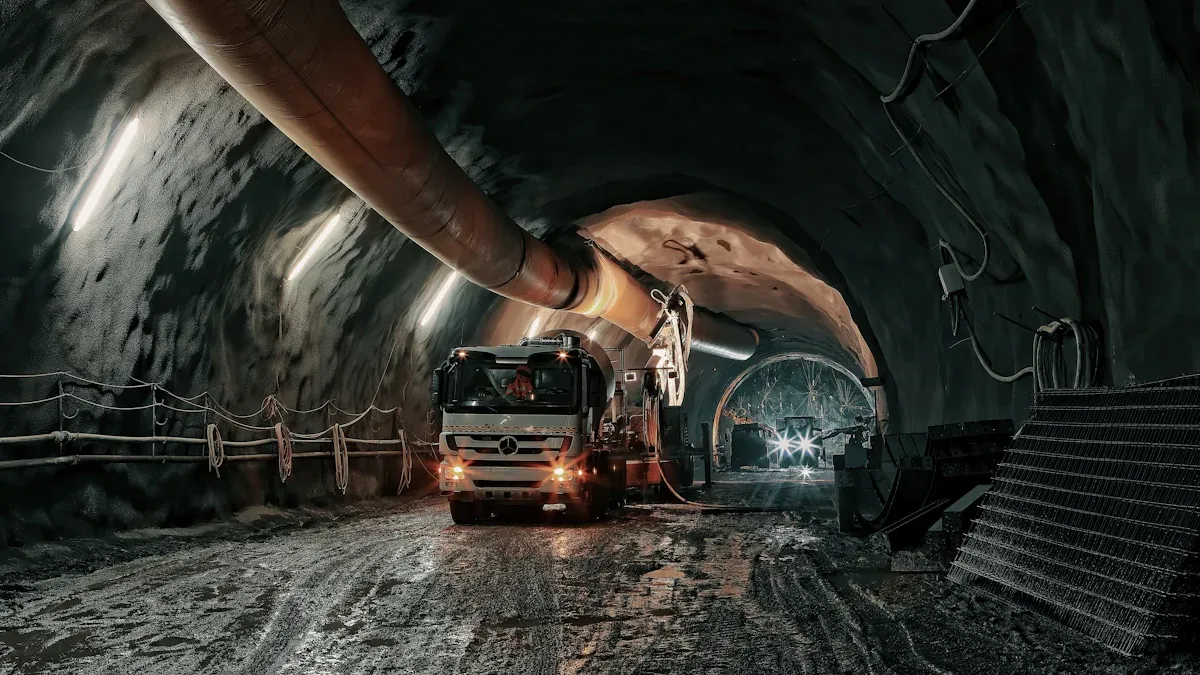
Humidity and Water Damage
Humidity and water can cause big problems in mining. Wet air can hurt circuit breakers in many ways:
- Rust and corrosion can grow inside, making breakers weak.
- Wire insulation can break, which may cause sparks or shorts.
- Water drops can form inside, hurting contacts and the trip parts.
If you ignore these issues, your Mining industry circuit breaker might stop working when you need it. To stop this from happening, you should:
- Check electrical systems often to find water damage early.
- Use waterproof coatings and sealants to block water.
- Put moisture-resistant coatings on important parts.
- Install Ground Fault Circuit Interrupters (GFCIs) in wet places.
- Look at outlets and wires for signs of water damage.
- Cover outdoor equipment with weatherproof covers.
Tip: Checking often and using protective coatings helps circuit breakers last longer in wet mines.
Physical Impact Risks
Mining sites shake, get hit, and change temperature a lot. These things can make circuit breakers stop working or trip when they should not. The table below shows common impacts and what they do:
| Physical Impact | Description |
|---|---|
| Extreme Vibrations | Lots of shaking can cause false trips because of fretting corrosion. |
| Electromagnetic Interference | Waves and voltage spikes can mess up how breakers work. |
| Intense Temperature Variations | Very hot or cold weather can hurt performance and reliability. |
Pick breakers made for places with lots of impacts. Strong mounts and shock-absorbing parts help lower these risks.
Dust and Corrosion Issues
Dust is everywhere in mining. Over time, dust gets inside circuit breakers. This can block cooling and make things too hot. Hot parts can break or not work well. Dust also makes corrosion worse, especially with chemicals.
| Observation | Description |
|---|---|
| Ag Loss | Silver loss makes a rough tungsten layer on the contact surface. |
| Formation of Oxides | Mixed oxides, like Ag2WO4, show up after exposure. |
| W Crust Formation | A tungsten crust forms from melting and cooling again, showing heat damage. |
You can fight dust by cleaning gear often and using sealed boxes. This helps your Mining industry circuit breaker work better and last longer.
Installation and Maintenance Best Practices
Enclosure and Placement
You must keep circuit breakers safe from water and dust. Put each Mining industry circuit breaker in a strong, waterproof box. Pick boxes with an IP65 rating or higher. This keeps out water and dust. Use sealed circuit breakers. Do not use vents in switchgear controllers. Thick cables and mining-approved gear last longer underground. Always pick boxes made from materials that do not rust, like stainless steel or ones with special coatings.
| Circuit Breaker Type | Vulnerability to Vibration | Design Features |
|---|---|---|
| Magnetic Circuit Breaker | High | Hinged metal armature, magnetic coil |
| Thermal Circuit Breaker | Low | Thermal actuator, mechanical latch |
| Push-Pull Style Actuator | Improved | Latching design for vibration resistance |
Tip: Put circuit breakers away from busy areas and places that shake. This helps stop damage.
Routine Inspection
Checking your circuit breakers often helps you find problems early. Make a plan to look at them every month. Check for damage, overheating, or loose wires. Clean out dust and dirt from the box. Oil moving parts once a year. Test the trip feature and check insulation with a megohmmeter. Every three to five years, do a deep check and change any broken parts.
| Frequency | Maintenance Task |
|---|---|
| Monthly | Visual inspections for signs of wear, overheating, and proper operation. |
| Annually | Testing of trip functions, cleaning, and lubrication. |
| Every 3-5 Years | Detailed inspections and replacement of worn parts. |
Note: Always wear safety gear and follow lockout/tagout steps when working.
Early Issue Detection
Look for signs that a circuit breaker might fail soon. If it trips a lot, has burn marks, or works slowly, fix it fast. Listen for strange sounds or shaking. If it will not reset, it might be broken inside. Use tools like a circuit breaker analyzer, multimeter, or insulation tester to find hidden problems. Check and adjust these tools often to get better results.
- Frequent tripping
- Discoloration or burn marks
- Delayed operation
- Unusual noise or vibration
- Failure to reset
Callout: Finding problems early keeps your gear safe and stops long delays.
Picking the right circuit breaker for mining is important. You need to make sure it fits your site’s needs. The table below can help you choose:
| Parameter | Typical Range | Application Insight |
|---|---|---|
| Rated Voltage | 6–36kV | Use 36kV-rated VCBs for 33kV systems |
| Rated Current | 630–3150A | Pick 2500A+ for heavy mining equipment |
| Breaking Capacity | 16–50kA | Go 40kA+ for high-fault mining sites |
| Mechanical Life | 10,000–30,000 | Mining needs 30,000+ operations |
| Installation Env. | IP54+ | Coastal/dusty areas require IP54+ units |
If you focus on moisture resistance, durability, and compliance, you get these benefits:
- Moisture resistance helps stop rust and keeps things safe.
- Strong materials mean less fixing and fewer problems.
- Following rules keeps workers safe and meets safety laws.
To get the best results, ask experts and manufacturers about what your site needs. Always do regular checks and maintenance to keep things safe and working for a long time.
ONESTOP provides reliable circuit breaker solutions and explores our product line
Click-to-view.webp)
FAQ
What type of circuit breaker works best in wet mining areas?
Pick a breaker that keeps out water. It should have a waterproof case. The case should not let water or dust inside. Look for an IP65 rating or higher. Stainless steel is good because it does not rust. Epoxy coatings also help stop water from getting in.
How often should you inspect mining circuit breakers?
Check your circuit breakers every month. Look for damage, dust, or water. Test if the breaker trips at least once a year.
Can you use regular circuit breakers in mining sites?
No, do not use regular breakers in mines. Mines need special breakers that can handle water, dust, and hard hits. Always pick breakers made for tough places.
What certifications should mining circuit breakers have?
Look for labels like NEMA 4X, ATEX, IECEx, and MSHA. These show the breaker is safe for mining.
How do you know if a circuit breaker is failing?
- It trips a lot
- You see burn marks or color changes
- It makes weird sounds or shakes
If you see these problems, change the breaker right away.
See also
Can moisture cause circuit breakers to trip
What is a waterproof outdoor distribution box
Circuit Breaker Requirements in High Dust Environments
5 Most Easily Overlooked Issues When Purchasing Terminal Blocks
What are the warning signs of surge protector failure