

Choosing the right air circuit breaker (ACB) is very important, so you should always choose the appropriate ACB. It helps keep your electrical system safe and reliable. Using the wrong ACB can cause problems or even accidents. Focus on key things like voltage and current ratings, as these help the ACB handle your system’s power needs. Don’t forget about interrupting capacity, which ensures the ACB can stop dangerous currents. Pick an ACB that fits your specific needs. The right ACB means a safer and more dependable system.
Key Takeaways
-
Picking the right ACB is important for safety and reliability.
-
Always check voltage and current ratings to match your system’s needs.
-
Think about the ACB’s ability to stop fault currents safely.
-
Look for extra features like monitoring to improve safety and performance.
-
Keep your ACB maintained to avoid problems and expensive repairs.
Understanding Air Circuit Breakers
What is an Air Circuit Breaker?
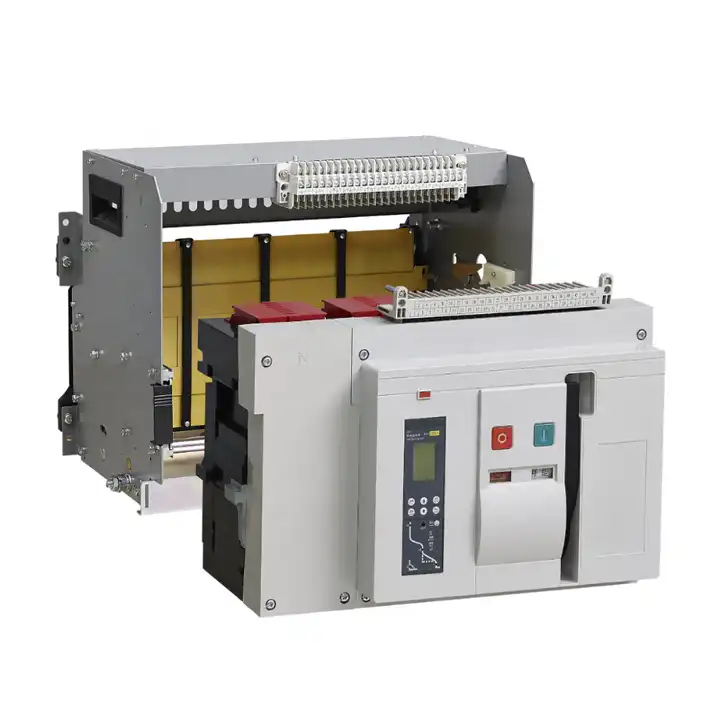
An air circuit breaker (ACB) is a tool that keeps your electrical system safe. It stops problems like too much current or short circuits. ACBs are used for low-voltage systems, usually below 450 volts. They can handle currents from 800 amps to 10,000 amps. You’ll often see them in distribution panels, where they help keep systems safe.
What makes ACBs special is how they use air to stop arcs. When there’s a problem, the breaker stops the current. The arc that forms is put out using air at a certain pressure. This makes ACBs different from other breakers and very reliable for many uses.
Key Functions of an ACB
ACBs do more than just stop current. They protect your system and help it work safely. Here’s what they do:
-
Overcurrent Protection: ACBs find and stop currents that are too strong.
-
Short-Circuit Protection: They stop short circuits by using air to put out arcs.
-
System Isolation: ACBs let you turn off parts of the system for repairs.
Taking care of ACBs is important to keep them working well. Clean the main contacts to stop overheating. Keep the arc chutes in good shape so they can put out arcs. Test the breaker after maintenance to make sure it works and is safe.
Common Applications of ACBs
ACBs are used in many places because they are flexible. You’ll find them in:
-
Industrial Facilities: Protecting machines and tools from electrical problems.
-
Commercial Buildings: Making sure power is safely shared across systems.
-
Power Plants: Controlling electrical loads and stopping system issues.
ACBs are great for these jobs because they handle high currents well. They also put out arcs quickly, making them dependable even in tough conditions.
Factors to Consider When Choosing an ACB

Voltage and Current Ratings
Start by checking the voltage and current ratings of the ACB. These numbers show how much power it can handle safely. If the ratings don’t match your system, the breaker might trip too often or fail during a fault.
For instance, if your system uses 400 volts and 1,000 amps, pick an ACB with ratings that meet or go beyond these values. The right ratings help the breaker handle your system’s power safely. This is one of the most important steps when choosing an ACB because it ensures the breaker works well for your needs.
Interrupting Capacity
Interrupting capacity is another important thing to check. This tells you the highest fault current the ACB can stop safely. If the capacity is too low, the breaker might not stop big currents, which could damage equipment or cause fires.
Here’s why interrupting capacity matters:
-
It shows the breaker can handle sudden current surges.
-
A low rating increases the chance of system problems and dangers.
-
The right capacity keeps your system safe and avoids costly repairs.
Always match the interrupting capacity to your system’s fault current levels. This step is key to keeping your electrical system safe and reliable.
Environmental Conditions
Where you install the ACB affects how well it works and lasts. Things like dust, heat, and moisture can impact its performance.
Here are some common challenges:
-
Dust Buildup: Dust can block parts, making the breaker slow or unable to trip.
-
Temperature Changes: Extreme heat or cold can cause false trips or failures.
-
Worn Contacts: Over time, worn contacts can overheat and stop working.
Choose an ACB made for your environment to ensure it works well. For example, in dusty areas, pick a breaker designed to keep out dust. Regular cleaning and checks also help the breaker stay in good condition.
Additional Features (Metering and Monitoring)
When picking an air circuit breaker, look for extra features. These can make your system smarter and easier to use. Two helpful features are metering and monitoring. They help you check your system’s performance and find problems early.
Why Metering and Monitoring Matter
These features give live data about your electrical system. This helps you make better choices and avoid costly issues. Here’s what they do:
-
Metering: Measures voltage, current, and energy use. It shows how much power your system uses.
-
Monitoring: Watches the system’s health. It warns you about problems like sudden current spikes.
Tip: For large facilities, these features save money by improving energy use and protecting equipment.
Benefits of These Features
Adding metering and monitoring improves your system in many ways. Here are some benefits:
-
Better Safety: Find problems before they become dangerous.
-
Energy Savings: Track power use and lower costs.
-
Simpler Maintenance: Fix small issues before they grow bigger.
Some advanced breakers connect to computers or phones. This lets you check your system from anywhere. If you want a modern setup, these features are worth it.
Cost and Maintenance
Cost and maintenance are key when choosing an ACB. Cheaper options may seem good, but think about long-term costs. A high-quality breaker costs more upfront but saves money later.
Initial Cost vs. Long-Term Value
The price depends on features, size, and brand. Basic models cost less but may lack durability or features. Advanced models with metering and monitoring cost more but work better and last longer.
Note: Spending more now can prevent expensive repairs later.
Maintenance Requirements
Taking care of your ACB keeps it working well. Regular maintenance avoids sudden failures. Here’s what to do:
-
Clean Contacts: Dirty contacts can overheat.
-
Check Arc Chutes: Make sure they handle arcs properly.
-
Test the Breaker: Regular tests ensure it works when needed.
Some breakers are easier to maintain than others. Choose designs that make cleaning and testing simple. If unsure, ask a professional for help.
Balancing Cost and Maintenance
Think about the total cost of owning an ACB. This includes the price, upkeep, and savings from features like energy tracking. A well-maintained breaker lasts longer and works better, saving you money.
Pro Tip: Follow the manufacturer’s maintenance tips. This extends the life of your ACB and keeps your system reliable.
Types of Air Circuit Breakers
Fixed Type ACBs
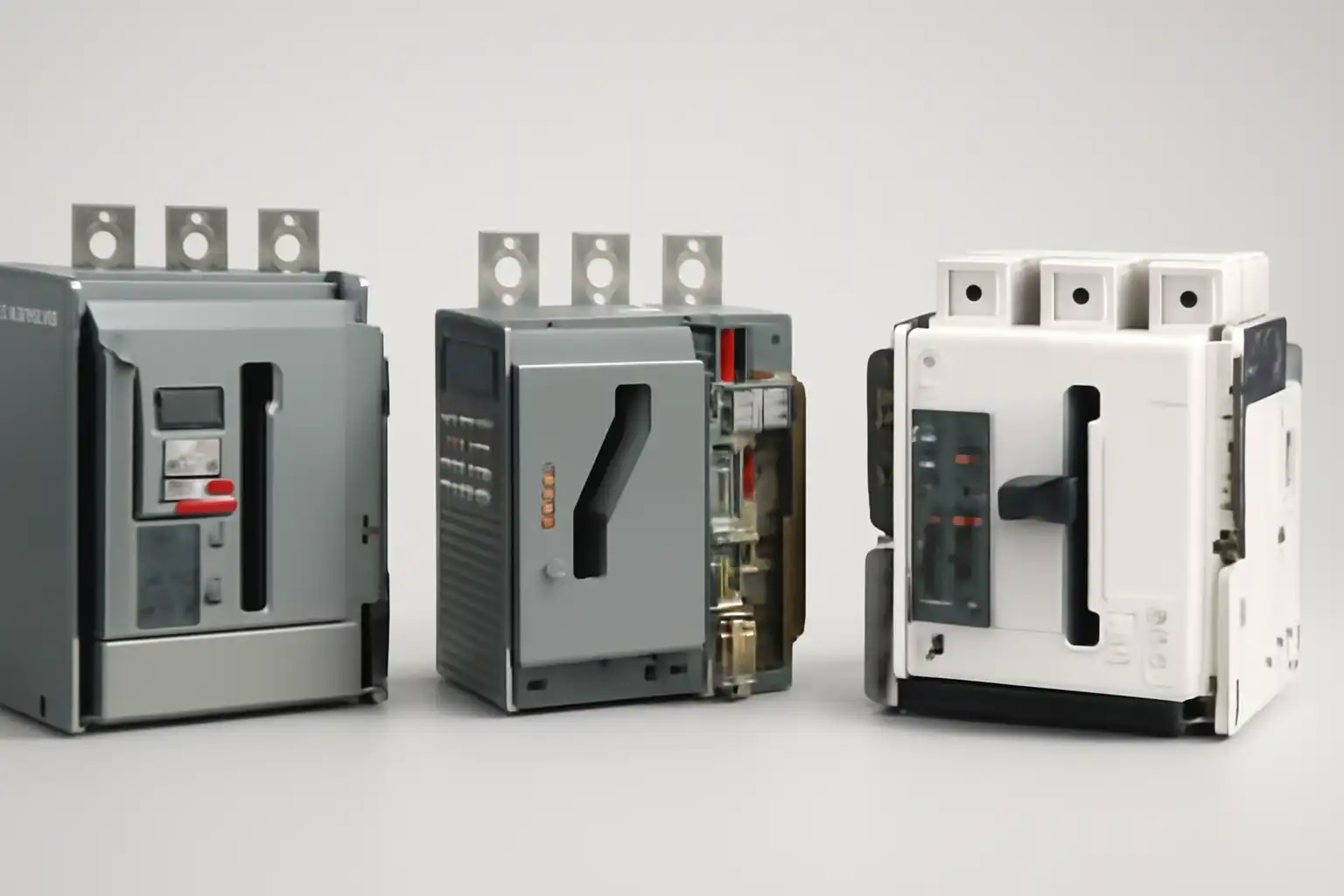
Fixed type air circuit breakers stay in one place. They are installed directly into the electrical panel and don’t move. These breakers work well for systems that don’t need frequent repairs or replacements. They are strong and dependable, making them popular in factories.
Fixed type ACBs are simple and have fewer moving parts. This means they wear out less often. However, if you need to fix or replace them, the whole system must be turned off. That’s why they’re best for setups where downtime isn’t a big problem.
Draw-Out Type ACBs
Draw-out type air circuit breakers are more flexible than fixed ones. You can remove them from the panel without shutting down the entire system. This makes them great for places that need regular maintenance. You can slide them out, fix them, and put them back easily.
These breakers are often used in offices or buildings where power must stay on. They save time during repairs, which is very helpful. But they are more complicated than fixed types and need extra care to keep working well.
Tip: Choose draw-out type ACBs if you want easy maintenance and convenience.
Magnetic Blowout ACBs
Magnetic blowout air circuit breakers use magnets to stop arcs when they trip. During a fault, the magnetic field pushes the arc away from the contacts, stopping it fast. This makes them perfect for systems with high currents or frequent faults.
These breakers are often used in factories where reliability is very important. They work well in tough conditions and perform excellently. However, they cost more because of their advanced design.
Magnetic blowout ACBs are a great choice for systems needing high efficiency and strength. They are durable and handle heavy-duty tasks easily.
Air Chute ACBs
Air chute ACBs are special breakers that use air chutes to stop arcs. When there’s a fault, an arc forms as the breaker trips. The air chute moves the arc away from the contacts and puts it out safely. This design makes them great at handling arcs quickly.
These breakers are often used in places where reliability matters most. They work well in factories and big commercial buildings. Their fast arc control makes them a solid choice for systems with high currents.
Why Pick Air Chute ACBs?
Here’s why air chute ACBs might be a good fit for your system:
-
Efficient Arc Control: Air chutes stop arcs fast, reducing damage to the breaker.
-
Built to Last: These breakers are strong and work well in tough conditions.
-
Improved Safety: They protect equipment and lower the risk of electrical fires.
Tip: If your system has frequent faults or high currents, air chute ACBs are a reliable option.
Regular care is important to keep them working well. Clean the air chutes and check the contacts often.
Air Blast ACBs
Air blast ACBs use high-pressure air to stop arcs instead of air chutes. The air blast blows out the arc quickly, making these breakers very effective for systems with big fault currents.
You’ll find these breakers in power plants and heavy industries. They handle tough conditions and are great for critical systems.
Features of Air Blast ACBs
-
Fast Action: High-pressure air stops arcs almost instantly, protecting the system.
-
Handles Big Fault Currents: These breakers manage heavy electrical loads easily.
-
Long-Lasting: With good care, air blast ACBs can work for many years.
Note: Air blast ACBs need a steady supply of compressed air. Make sure your system can provide this before choosing one.
These breakers are powerful but need regular checks to keep the air system working. If your setup needs a breaker for tough conditions, air blast ACBs are a smart choice.
Comparing ACBs with Other Circuit Breakers
ACBs vs. MCCBs

Air Circuit Breakers (ACBs) and Molded Case Circuit Breakers (MCCBs) are different in use and capacity. ACBs work for high-current systems, usually above 800 amps. MCCBs handle lower currents, up to 1,600 amps. For large factories, ACBs are better since they manage higher fault currents safely.
MCCBs are smaller and cheaper, making them good for homes or small buildings. But they don’t have advanced features like metering and monitoring. If you need more safety and control for important equipment, pick ACBs.
Tip: Use MCCBs for small systems and ACBs for big, reliable setups.
ACBs vs. VCBs
Vacuum Circuit Breakers (VCBs) and ACBs stop arcs differently. VCBs use a vacuum, while ACBs use air. VCBs are best for medium-voltage systems above 1,000 volts. ACBs work well for low-voltage systems.
For power plants or substations, VCBs might fit better. But for factories, data centers, or offices, ACBs are ideal. They protect against faults and are easier to maintain than VCBs, which need special care.
Key Advantages of ACBs
ACBs are great at stopping large fault currents without damage. This keeps systems safe and reliable, especially in factories.
In power plants and factories, ACBs protect machines from electrical problems. They have advanced safety features that older breakers don’t. They also handle high currents and give live data using metering and monitoring.
Pro Tip: Choose ACBs for strong, safe, and feature-packed breakers.
How to Choose the Appropriate ACB
Understand Your Electrical System
Before picking an ACB, know your system’s needs. This helps you choose a breaker that works safely and efficiently. Check your system regularly to find problems early and keep it running well.
Here’s a simple guide to check your system:
|
Task |
What to Do |
How Often |
Why It’s Important |
|---|---|---|---|
|
System Check |
Test how well the system works |
Once a year |
Keeps the system ready and accurate |
|
Settings Adjustment |
Fix and test protective settings |
Twice a year |
Ensures safety measures work correctly |
|
Inspect Components |
Look for damage or worn-out parts |
Every 3 months |
Finds problems early for quick fixes |
|
Clean Parts |
Remove dirt and dust |
Twice a year |
Helps the system last longer and work better |
Follow this plan to understand your system’s condition. For example, if your system has many faults, pick an ACB with higher interrupting capacity. If your system is in good shape, a basic breaker might be enough.
Tip: Write down inspections and fixes in a log. This helps you stay organized and avoid surprises.
Check Technical Details
After checking your system, look at the technical specs of the ACB. These details show how well the breaker fits your setup. Focus on voltage, current ratings, and interrupting capacity. These numbers tell you how much power the breaker can handle and if it can stop dangerous currents.
For example, if your system uses 400 volts and 1,000 amps, pick an ACB with ratings that match or go beyond these numbers. A breaker with lower ratings might trip too often or fail during a fault.
Also, think about extra features like metering and monitoring. These tools give live updates about your system. They help you find problems early and make smart choices. Some advanced breakers even let you check your system from far away, which is great for big setups.
Pro Tip: Don’t just look at the price. A high-quality ACB with extra features can save money later by lowering maintenance and energy costs.
Choose the Right Type
Different ACBs work for different jobs. Pick one that matches your system’s needs. For high-voltage systems, Magnetic Blowout ACBs or Air Blast ACBs are good choices. They handle strong arcs and protect systems in tough conditions.
For medium-voltage systems, Air Chute ACBs might work better. These breakers use special chutes to control arcs, making them great for factories or commercial buildings.
Here’s a quick guide to where each type works best:
-
Magnetic Blowout ACB: Best for high-voltage setups like power plants.
-
Air Blast ACB: Ideal for systems with big fault currents, like substations.
-
Air Chute ACB: Good for medium-voltage systems in offices or factories.
Picking the right type keeps your system safe and reduces downtime. It also lowers the chance of expensive repairs.
Note: If you’re unsure which ACB to choose, ask an expert. They can help you decide what’s best for your system.
Consider Long-Term Costs
When picking an air circuit breaker (ACB), don’t just look at the price. A cheaper breaker might seem like a good deal now, but it could cost more later.
Here’s why thinking long-term is important:
-
Durability: Strong ACBs last longer and need fewer replacements.
-
Energy Efficiency: Advanced ACBs track energy use and lower power bills.
-
Maintenance Costs: Some breakers need less care, saving time and money.
Tip: Spend more upfront to avoid expensive fixes later.
Compare the total cost of owning different ACBs. Look at lifespan, upkeep, and energy savings. This helps you pick the best value for your money.
Seek Professional Advice
Choosing the right ACB can be tricky if you’re not an expert. That’s why asking a professional is a smart idea. They can guide you and help you avoid mistakes.
Here’s why their advice matters:
-
They know how electrical systems work.
-
They suggest the right size based on your setup.
-
They think about future needs like system upgrades.
Note: Picking the right size means knowing how your system works together.
Experts explain technical details like voltage ratings and interrupting capacity. This helps you pick the perfect ACB for your needs.
If you’re unsure, ask a licensed electrician for help. Their advice saves time, money, and keeps your system safe.
Pro Tip: Even if you’re confident, getting a second opinion is smart. It ensures you’ve made the best choice.
Picking the right air circuit breaker (ACB) is very important. It keeps your electrical system safe and working well. ACBs stop overloads, short circuits, and faults. This protects equipment and lowers fire risks. They also help manage changing power levels, which is useful with renewable energy.
When choosing an ACB, think about these things:
-
Voltage and current ratings that match your system’s needs.
-
Interrupting capacity to safely stop fault currents.
-
If the breaker works well in your environment.
Tip: Check your system’s needs carefully. If unsure, ask an expert to help you pick the best option.
FAQ
What is the main purpose of an Air Circuit Breaker (ACB)?
An ACB keeps your electrical system safe. It stops overloads, short circuits, and faults. This prevents damage to equipment and lowers fire risks. Think of it as a safety shield for your power system.
What happens if I choose the wrong ACB?
Picking the wrong ACB can cause system problems or accidents. It might trip too often or fail to protect your equipment. This leaves your system unsafe and at risk of damage.
What’s the difference between fixed and draw-out ACBs?
-
Fixed ACBs: Stay in place, good for systems needing little maintenance.
-
Draw-Out ACBs: Can be removed easily, great for frequent repairs.
Tip: Pick based on how often your system needs fixing.
What should I check during ACB maintenance?
Do these checks:
-
Clean contacts to stop overheating.
-
Look at arc chutes for damage.
-
Test the breaker to make sure it works right.
Regular care keeps your ACB working well and lasting longer.
What extra features should I look for in an ACB?
Find ACBs with metering and monitoring tools. These show live data about voltage, current, and system health. They help you find problems early and save energy. Some models let you check your system remotely.
Pro Tip: These features save money by improving system efficiency.
The following information may be of interest to you
Pull type air circuit breaker AC690V
Application and advantages of air circuit breakers
Comprehensive guide for wiring methods of air circuit breakers