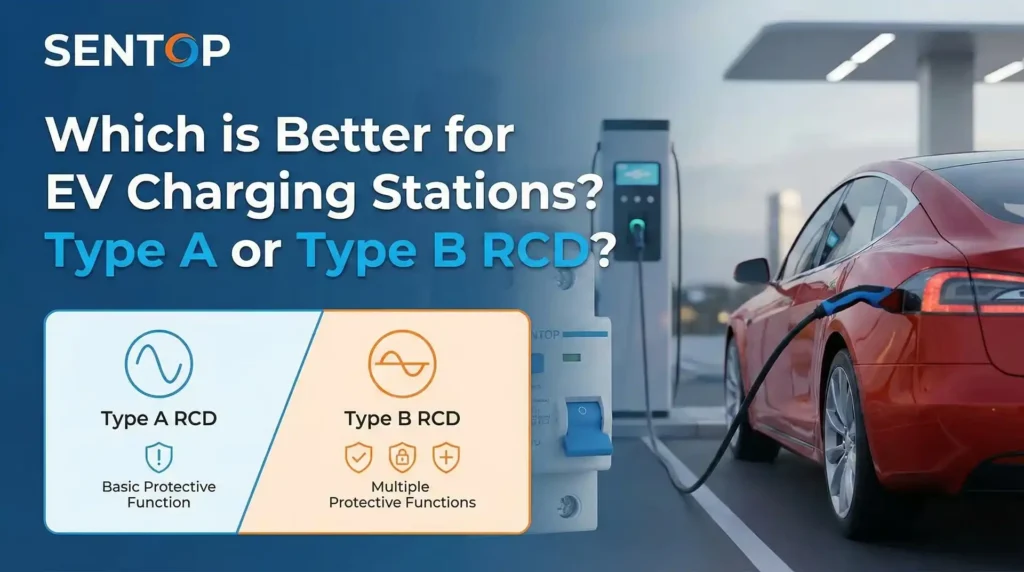
You must pick the correct protection for your EV charging station. When considering Type A vs Type B residual current devices, Type B RCDs are superior. They can detect all kinds of dangerous leakage currents, including smooth DC currents. This keeps you safe and helps you comply with safety regulations. If you compare Type A and Type B residual current devices, you will notice a significant difference. Only Type B provides complete protection for EV charging.
Key Takeaways
- Type B RCDs keep EV charging stations safe. They find all kinds of leakage currents. This includes smooth DC currents.
- Type A RCDs can be risky for EV charging. They might not notice dangerous smooth DC leakage over 6 mA. This can cause electric shock or fire.
- Always look at your EV charger’s manual to know which RCD to use. Many new chargers need Type B RCDs to be safest.
- Follow local safety rules when putting in EV charging stations. A licensed electrician will make sure everything is safe and correct.
- Test your RCDs often to make sure they work right. Testing every month helps find problems early and keeps your station safe.
Type A vs Type B Residual Current Devices for EV Charging
What Type A RCD Detects

It is important to know what a Type A RCD can sense before you pick one for your EV charging station. Type A RCDs protect you from two main electrical problems. First, they can find sinusoidal AC leakage. Second, they can spot pulsating DC leakage. These devices can also notice a little bit of smooth DC current, but only up to 6 mA. They cannot handle more than that. You usually see Type A RCDs in homes and places with simple electrical tools.
- Type A RCDs can:
- Find sinusoidal AC leakage currents.
- Spot pulsating DC leakage currents.
- Notice smooth DC up to 6 mA.
- Protect against problems in things like heating plates and some electronics.
Type A RCDs are good for easy circuits. They do not give full protection if your equipment makes more smooth DC leakage.
What Type B RCD Detects
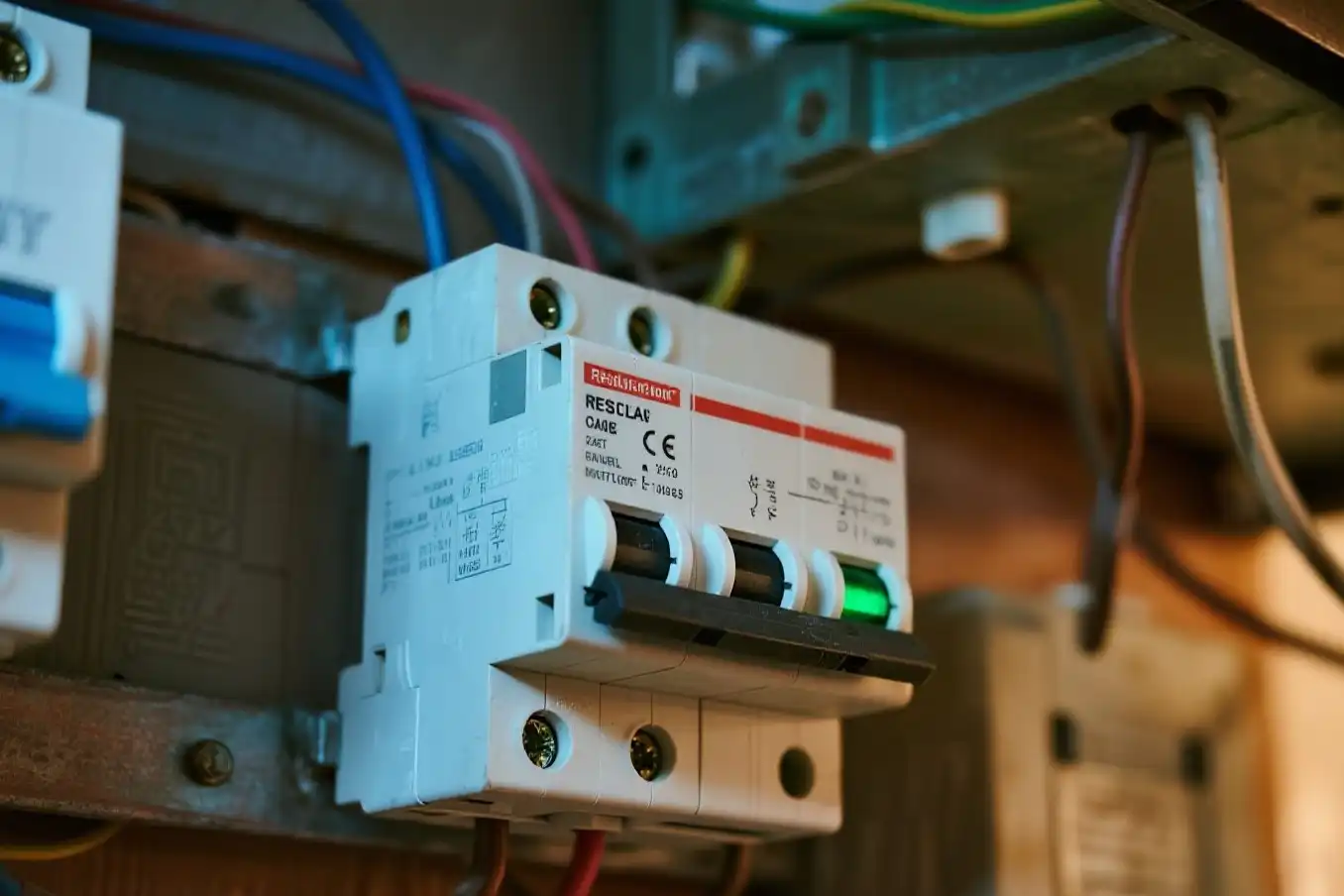
Type B RCDs keep you safer. You should use them when you need to find more types of leakage currents. Type B RCDs can sense:
- Sinusoidal AC leakage currents.
- Pulsating DC leakage currents.
- Smooth DC leakage currents, even above 6 mA.
- Leakage currents at frequencies up to 1000 Hz.
This means Type B RCDs protect you from problems that Type A RCDs cannot find. You see Type B RCDs in new technology, like solar inverters and EV charging stations. These devices keep you safe when your equipment can make smooth DC leakage, which happens a lot during EV charging.
Here is a table to help you compare what each type can detect:
| Feature | Type A | Type B |
|---|---|---|
| Leakage Current Detection | AC and pulsating DC | AC, pulsating DC, smooth DC |
| Frequency Range | Standard AC | Up to 1000 Hz |
| Additional DC Leakage Protection | No | Yes |
| Application Suitability | Basic applications | Modern applications (e.g., solar inverters, EV chargers) |
Why Detection Matters for EV Charging
You need to know why these differences are important for EV charging. Electric vehicles and their chargers can make smooth DC leakage currents. If your RCD cannot find these, you could be in danger. Type A RCDs might miss smooth DC leakage above 6 mA. This can cause electric shock, hurt your equipment, or even start a fire.
Type B RCDs are made to catch all types of leakage, including smooth DC. This makes them the safer choice for EV charging stations. International rules, like IEC 61581-1, say you should use Type B RCDs for EV charging. They help stop electrocution, protect your charging station, and lower fire risks.
Tip: Always check what your EV charger needs. Using the right RCD keeps you and your equipment safe.
When you look at Type A vs Type B residual current devices, you see that only Type B gives you full protection for EV charging. Picking the right device helps you follow safety rules and stay out of danger.
Quick Comparison Table: Type A vs Type B RCDs
Detection Capabilities Overview
It is good to know what each device does before you pick one. Type A RCDs can find AC and pulsating DC currents. These are fine for most things at home and simple tools. Type B RCDs can find AC, pulsating DC, and smooth DC currents. This makes them the best for high-power EV charging stations.
Here is an easy table to show the difference:
| RCD Type | Detection Capabilities | Suitable Applications |
|---|---|---|
| Type A | AC, Pulsating DC | General applications |
| Type B | AC, Pulsating DC, Smooth DC | High-power EV charging systems |
Note: Smooth DC detection matters for EV charging. Electric vehicles can make this kind of leakage current.
Key Differences at a Glance
You can see the main differences when you look at the features side by side. Here are the important points:
- Type A RCDs protect against most faults in homes and offices.
- Type B RCDs give extra safety by finding smooth DC currents.
- Many EV charging stations need Type B RCDs because they cover all leakage types.
- Type B RCDs help you stay safer and follow more rules.
When you compare Type A vs Type B residual current devices, you see that Type B gives better protection. This helps you stay safe and follow the newest standards for EV charging.
Why Type B RCDs Are Preferred for EV Charging
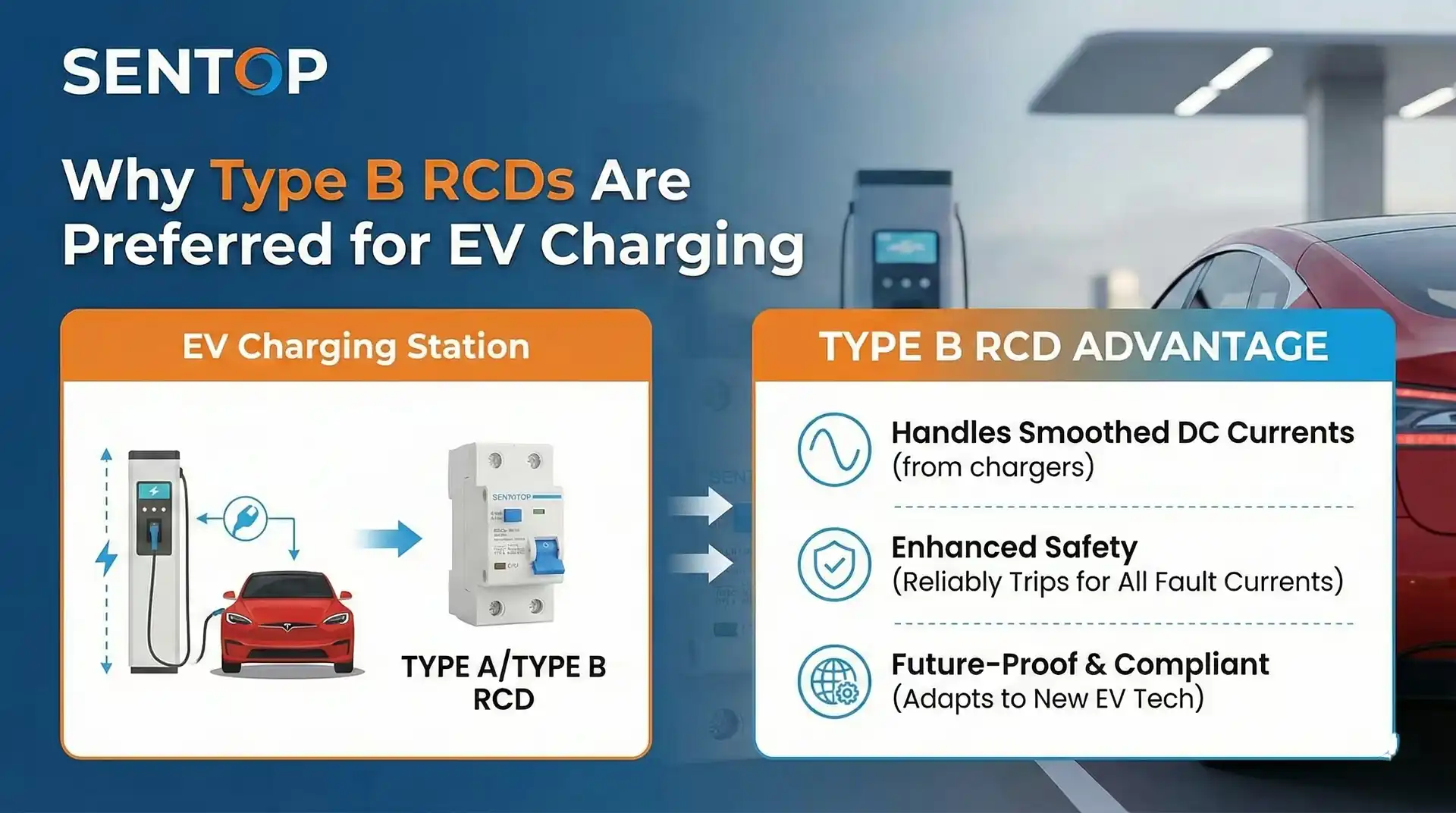
Smooth DC Leakage in EV Charging
Electric vehicles use special electronics to charge batteries. These electronics can make smooth DC leakage currents. You cannot see or feel these currents. They are still dangerous. Smooth DC leakage can move through the ground wire. If you use the wrong protection device, it might not get noticed.
Type B RCDs can sense smooth DC leakage. This means you are safe from all types of leakage currents. Type A RCDs cannot find smooth DC above 6 mA. If you only use Type A, you might miss dangerous problems. Many EV chargers, like the Tesla Wall Connector, need or include Type B RCDs for this reason.
Tip: Always look at your EV charger’s manual. Most new chargers say you should use Type B RCDs for full safety.
Risks of Using Type A RCDs
If you use Type A RCDs for EV charging, there are risks. Type A RCDs cannot handle the special waveforms and DC parts that EV chargers make. This can cause faults that do not get found. It can also make things unsafe.
Here are some problems you could have:
- Type A RCDs might not trip if smooth DC leakage is over 6 mA.
- Harmonics and common mode leakage from EV charging can go unnoticed.
- You might not be safe from electric shock if the RCD misses the fault.
- Fires or damage can happen if leakage currents build up.
You need to know the difference in Type A vs Type B residual current devices. Only Type B gives you full protection from all leakage currents. This is why experts pick Type B for public and high-power charging stations.
Manufacturer and Code Requirements
Manufacturers and safety codes have clear rules for EV charging. Most public charging stations must use Type B RCDs. This gives you the best safety.
You will see these rules in many places:
- International standards, like IEC 61851-1, say you need Type B RCDs for EV charging.
- Public charging stations must have Type B RCDs to follow safety codes.
- Many EV charger makers, including Tesla, say to use Type B RCDs in their guides.
Note: Following these rules keeps you safe and helps you avoid legal trouble. You also protect your EV charging station investment.
When you compare Type A vs Type B residual current devices, you see that Type B meets all the newest safety and code rules. You can feel good knowing your charging station is safe and follows the rules.
When Is Type A Acceptable?
Permitted Scenarios
You might wonder if you can ever use a Type A RCD for EV charging. In some cases, you can. You need to check your EV charger’s manual first. Some chargers have built-in protection for smooth DC leakage. If your charger has this feature, you may use a Type A RCD.
Here are situations where Type A RCDs are usually acceptable:
- Your EV charger includes built-in 6 mA DC leakage detection.
- The charging station is for low-power or private use, not public or commercial.
- Local codes or standards allow Type A RCDs for your setup.
- The manufacturer’s instructions say Type A is safe for your charger.
Tip: Always read the installation guide for your EV charger. The manual will tell you if a Type A RCD is enough.
You should also talk to a licensed electrician. They can help you check if your setup meets all safety rules.
Limitations and Risks
Type A RCDs have limits. They cannot detect smooth DC leakage above 6 mA. This means you might not get full protection during EV charging. If your charger does not have built-in DC detection, you risk missing dangerous faults.
Here are the main risks:
- Type A RCDs might not trip during a smooth DC fault.
- You could face electric shock or fire hazards.
- Insurance claims may be denied if you do not follow safety codes.
- You might break local laws or standards.
Warning: Using the wrong RCD can put you and your property in danger. Always choose the device that matches your charger’s needs.
You should always check the latest safety standards. If you are not sure, pick a Type B RCD for peace of mind.
Safety Standards and Compliance
Regulatory Requirements for RCDs
You have to follow safety rules when putting in EV charging stations. Electrical codes say you need special protection devices to stay safe. Many places do not let people install EV chargers by themselves anymore. You must get a trained electrician to do the job. This rule helps stop mistakes and makes sure your charging station is safe.
New rules also say you need ground fault circuit interrupters (GFCI) that trip at five milliamps. This means your system will shut off if it finds a small problem. Sometimes, this can cause the power to turn off even if there is no real danger. But these rules help protect you from getting shocked.
Here is a table that shows new changes in electrical codes:
| Update Description | Implication |
|---|---|
| Ban on DIY installations for EV chargers | Homeowners must hire qualified electricians for installations, ensuring safety and compliance with codes. |
| Requirement for GFCI with a five-milliamp trip threshold | Increased likelihood of nuisance trips, potentially disrupting charging at home and public stations. |
You should always check your local rules before you start installing. Rules can change, and you want your charging station to follow every rule.
Importance of Certification
Certified equipment helps you feel safe. You know your RCD meets tough safety rules. Certification also helps you avoid trouble with insurance and inspections. When you pick an RCD for your EV charger, look for ones tested under UL, CSA, or IEC standards.
Here is a table of important certification standards for RCDs:
| Certification Standard | Code(s) |
|---|---|
| UL Standards | UL 2231-1/-2 |
| CSA Standards | CSA 22.2#281.1/.2 |
| IEC Standards | IEC 61540, IEC 62752, IEC 61008, IEC 61009 |
You can follow good steps to stay safe and follow the rules:
- Put in panel space and conduit for future EV charging.
- Finish all circuit work with the right parts.
- Add charging stations when building new homes to save money.
- Change building codes to need EV charging and UL listed equipment.
Tip: Always pick certified RCDs and follow good steps. This keeps your EV charging station safe and following the rules.
Choosing the Right RCD for Your EV Charger
Selection Tips
You need to pick the right RCD for your EV charger. First, look at what kind of current your charger might leak. Some chargers make pure sinusoidal currents. Others can make pulsating DC or even smooth DC. You must match the RCD to the current type. Type B RCDs are best for EV chargers. They can find all types of leakage, like smooth DC and higher frequencies.
Think about these things when you choose an RCD:
- What kind of residual current waveforms your charger makes.
- Where you will use the charger, like at home or in public.
- If you need selective-tripping so you do not lose power by mistake.
Type B RCDs have many good points for EV charging:
- They find DC current leakage, which happens a lot with EV charging.
- They help your charger work well, even if there are small faults.
- They can sense leakage at higher frequencies than normal home power.
Tip: Always read your EV charger’s manual. The maker usually tells you the best RCD type for your charger.
Installation and Maintenance
Good installation and regular checks keep your EV charging station safe. You should follow the best steps for mounting, wiring, and testing your RCD. The table below shows important rules for putting in Type B RCDs:
| Installation Aspect | Guidelines |
|---|---|
| Mounting and Positioning | Use a standard 35mm DIN rail. Keep the RCD upright. Make sure it has the right environmental rating. |
| Wiring Requirements | Tighten terminals to the correct torque. Use the right wire size. Connect line and load properly. |
| Testing and Commissioning | Test the RCD before use. Run functional tests under load. Test monthly to ensure it works. |
| Common Mistakes to Avoid | Do not mix neutral wires. Avoid ground-neutral bonds downstream. Use proper short-circuit protection. Watch the ambient temperature. |
You should also take care of your RCD:
- Test each RCD often to make sure it trips when needed.
- Check trip time and sensitivity to meet safety rules.
- Look for signs of wear or damage.
- Plan regular maintenance, especially in busy charging spots.
Note: Regular checks help you find problems early and keep your EV charging station safe for everyone.
When you pick Type B RCDs for EV charging, you stay safe. These devices can find all types of leakage currents. They also follow safety rules. Certified RCDs help you avoid getting fined or having insurance problems. You should always look at your local laws and use good materials. Here are some common problems with following the rules:
| Compliance Issue | Description |
|---|---|
| Bureaucratic Regulations | If you ignore rules, you might get fined or have to fix your setup. |
| High Load | EV stations use a lot of power, so you must check the load carefully. |
You should talk to an expert and always use Type B RCDs for safe EV charging.
FAQ
What happens if you use the wrong RCD for your EV charger?
You risk electric shock or fire. The wrong RCD might not detect dangerous currents. Always match the RCD type to your charger’s needs.
Can you install a Type B RCD yourself?
You should not install a Type B RCD by yourself. Hire a licensed electrician. This keeps you safe and ensures you follow local codes.
How often should you test your RCD?
Test your RCD every month. Press the test button to make sure it trips. Regular testing helps you catch problems early.
Do all EV chargers need a Type B RCD?
Not all chargers need a Type B RCD. Some chargers have built-in DC detection. Check your charger’s manual or ask the manufacturer.
See also
What Makes Type B RCD Essential for EV Chargers?
Why is Type A AC RCD not suitable for electric vehicle charging equipment?
How to Prevent Shocks with RCD for Electric Vehicle Charging
EV Charging Circuit Breaker Safety for Workplace and Home
What Is a Type B RCD and Where Is It Used