
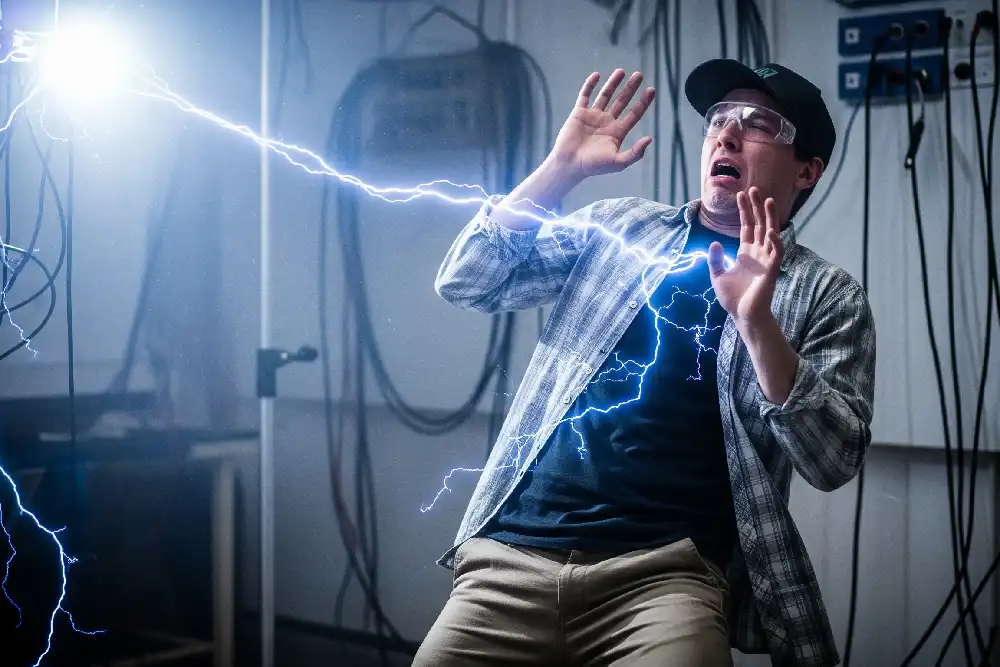
When you experience an electric shock with a current of 20 mA, your body can face serious issues. You may feel your muscles tighten significantly, making it difficult to release whatever caused the shock. Breathing can also become challenging. Additionally, your heart may not beat normally. Skin burns could occur, and the coordination between your nerves and muscles might be compromised. Acting quickly and being aware of these dangers can help ensure your safety.
This guidance is general first‑aid information for common household/low‑voltage AC scenarios (AC 50/60 Hz, ~120–240 V). It highlights that wet contacts and hand‑to‑hand or hand‑to‑chest current paths raise cardiac risk; it does not cover high‑voltage, lightning, or industrial incidents. This is not medical advice or a substitute for professional care or certified training—call local emergency services (for example, 911) immediately for any electric shock, even if symptoms seem mild.
Key Takeaways
- A 20 mA electric shock can cause strong muscle contractions, making it hard to let go of the source. This is known as the ‘can’t let go’ phenomenon.
- Breathing difficulties may occur, as the shock can paralyze the muscles that help you breathe. This can lead to serious oxygen deprivation.
- Skin burns can happen, which may look minor but can hide deeper injuries. Always seek medical help after a shock, even for small burns.
- Heart irregularities, such as arrhythmia, can result from a 20 mA shock. Watch for symptoms like a pounding heart or dizziness.
- Act quickly after a shock. Ensure safety first, check for breathing and pulse, and seek medical help to prevent serious complications.
Physical Effects
Muscle Contractions
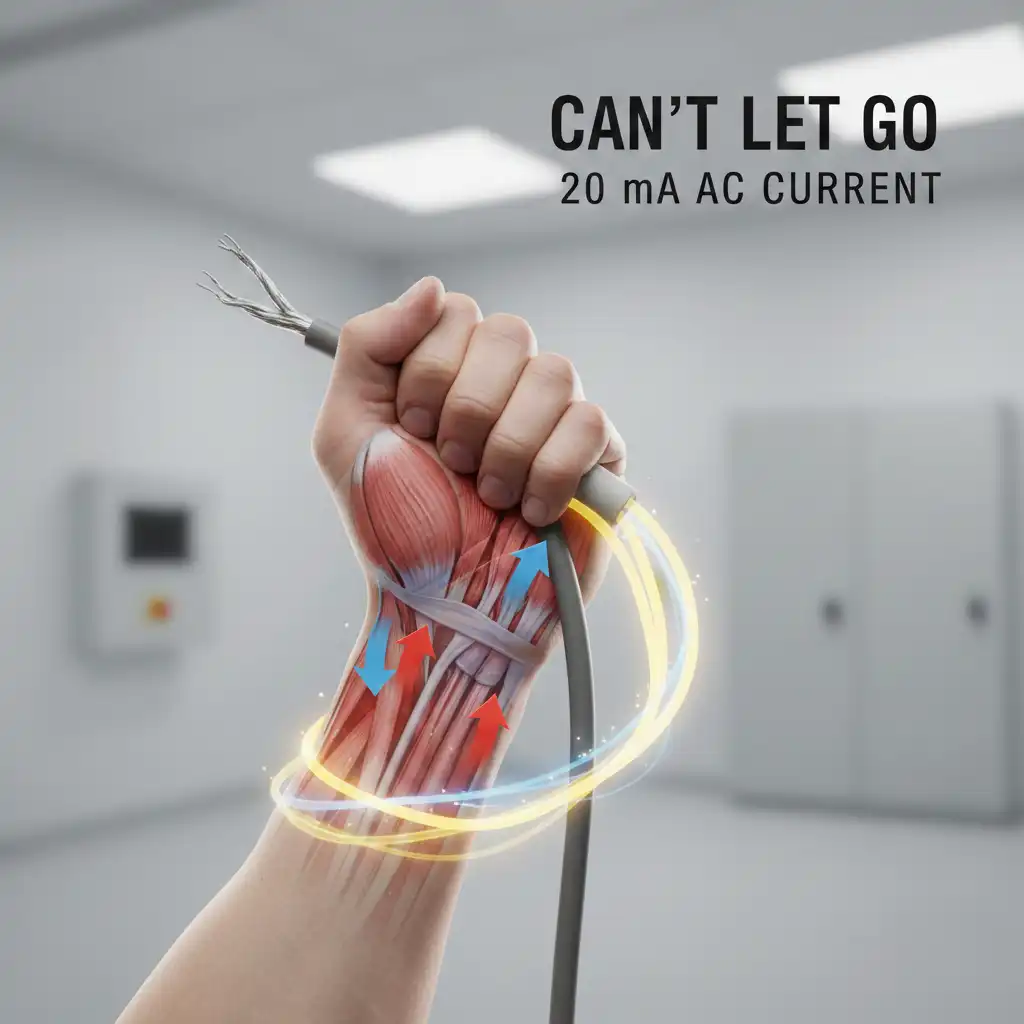
When you experience an electric shock with a current of 20 mA, your muscles react strongly. The current can cause your muscles to contract and tighten without your control. You may find that your hand grips the source of the shock and you cannot let go. This happens because the muscles that close your fingers become stronger than those that open them. The effect is called the “can’t let go” phenomenon.
- Electrical muscle stimulation activates your muscles through electric currents.
- These contractions are involuntary and can last as long as the current flows.
- If the shock comes from alternating current (AC), you are more likely to have sustained muscle contractions.
- Direct current (DC) usually causes a single, strong contraction that might throw you away from the source.
Tip: AC currents at 20 mA are three to five times more hazardous than DC currents at the same voltage. AC can keep your muscles contracted, making it harder to escape.
Breathing Difficulties
A shock at this current level can affect your breathing. The muscles that help you breathe may stop working for a short time. You might feel like you cannot take a breath or your chest feels tight. If the current flows for several seconds, you risk paralysis of your respiratory muscles.
| Current (mA) | Physiological Change |
|---|---|
| 20 | Paralysis of respiratory muscles |
If you cannot breathe, your body does not get enough oxygen. This can lead to serious problems if the shock lasts longer or if you have health issues.
Burns and Tissue Damage
You may notice burns on your skin after an electric shock with a current of 20 mA. These burns often look small on the surface, but they can hide deeper injuries. If you stay in contact with the source for a longer time, the damage can become worse. Your skin may burn, and your muscles or organs inside your body may also get hurt.
Burn risk depends on contact time, current path, skin resistance (lower when wet or contaminated) and contact area; under prolonged or low‑resistance contact even 120–240 V can produce significant surface or deep tissue injury, as described in clinical reviews like StatPearls — Electrical Injuries and Merck Manuals — Electrical Injuries.
Note: The severity of burns depends on how long you are exposed, the type of current, and your body’s resistance. Even if the burn looks minor, you should pay attention to possible internal injuries.
Risks of Electric Shock with a Current of 20 mA
Heart Irregularities
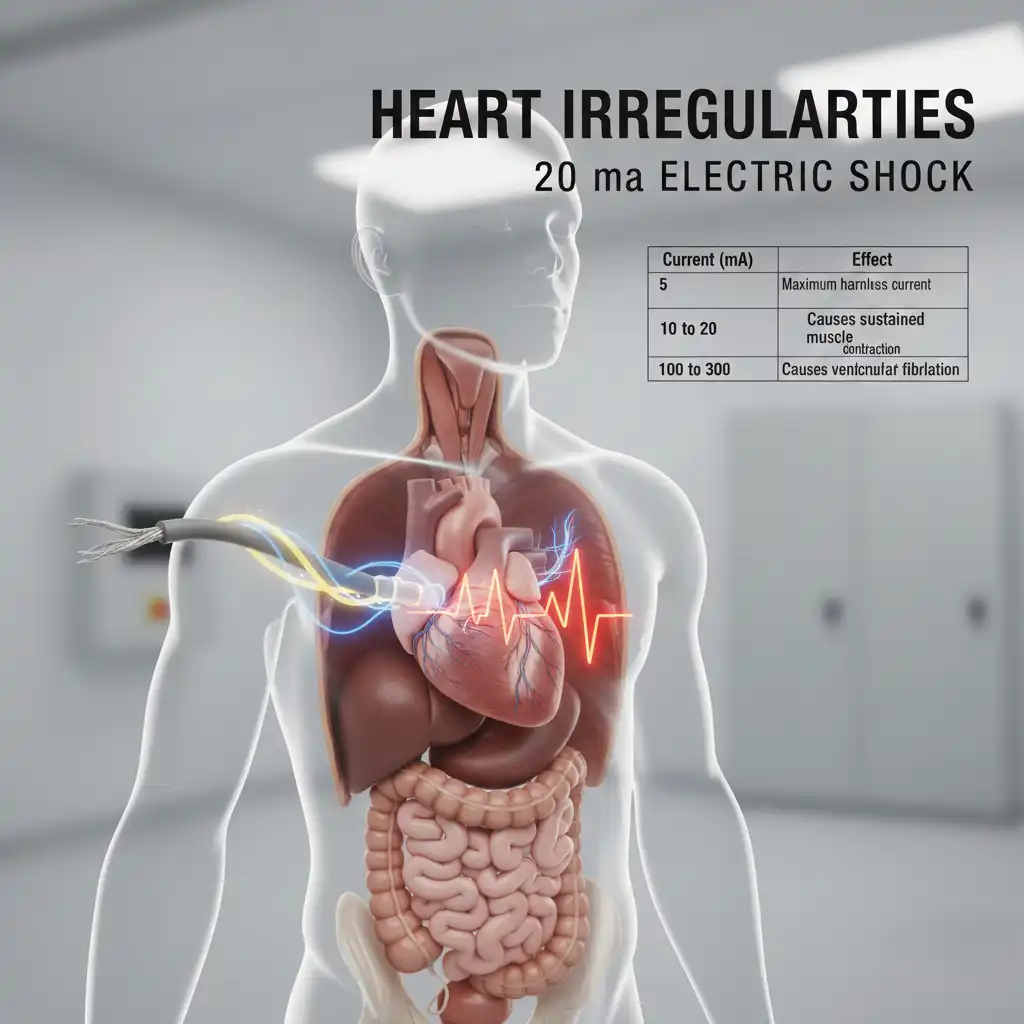
If you get an electric shock with a current of 20 mA, your heart can be in danger. The electric current can mess up your heartbeat. This is called arrhythmia. Your heart needs electrical signals to beat normally. Even a small current can stop these signals.
A current of 20 mA does not usually cause ventricular fibrillation, which is the most dangerous heart rhythm problem. That problem happens more often with currents above 100 mA. But 20 mA can still make your heart beat oddly or skip beats. You might feel your heart pounding, fluttering, or going fast. Sometimes, you could feel dizzy or almost faint.
Note: Heart problems are more likely if the current goes through your chest or lasts for a few seconds. People with heart issues are at even greater risk.
Here is a table that shows what different current levels do to your body:
| Current (mA) | Effect |
|---|---|
| 5 | Maximum harmless current |
| 10 to 20 | Causes sustained muscle contraction |
| 100 to 300 | Causes ventricular fibrillation |
Many things change how risky the shock is for your heart:
- Amount of current
- Frequency of current
- How long the current lasts
- Where the current goes in your body
If you get shocked by a current of 20 mA, watch for strange heart symptoms. Even if you feel okay at first, problems can show up later.
Neuromuscular Disruption
A shock with a current of 20 mA can mess up how your nerves and muscles work together. The current acts like a strong nerve signal. It makes your muscles squeeze tight and you may not be able to let go of the object. This is called the “can’t let go” effect. Your hand might grip the object hard, and you cannot release it until the current stops.
This strong muscle squeeze can last as long as the current is there. The longer you touch the source, the more your nerves and muscles get hurt. You might feel weak, sore, or numb after the shock. Sometimes, you feel tired even after doing a little bit.
Here is a table that lists common symptoms of neuromuscular disruption:
| Symptom | Description |
|---|---|
| Muscular Weakness | Muscles along the current’s path feel weak. |
| Loss of Stamina | You get tired more quickly than usual. |
| Easy Fatiguability | Even small tasks make you feel exhausted. |
| Sensory Abnormalities | Pain or numbness is common, especially where the current entered or exited. |
| Neuropsychological Impairments | You may have trouble thinking clearly or feel anxious after the shock. |
⚠️ If you notice any of these symptoms after a shock with a current of 20 mA, take them seriously. The effects can last for hours or days.
How bad these risks are depends on a few things:
- How long the current stays in your body
- The path the current takes
- Your health and age
You might get better quickly, or you might need a doctor. Always treat a shock with a current of 20 mA as a serious thing.
What to Do After Exposure
First Aid
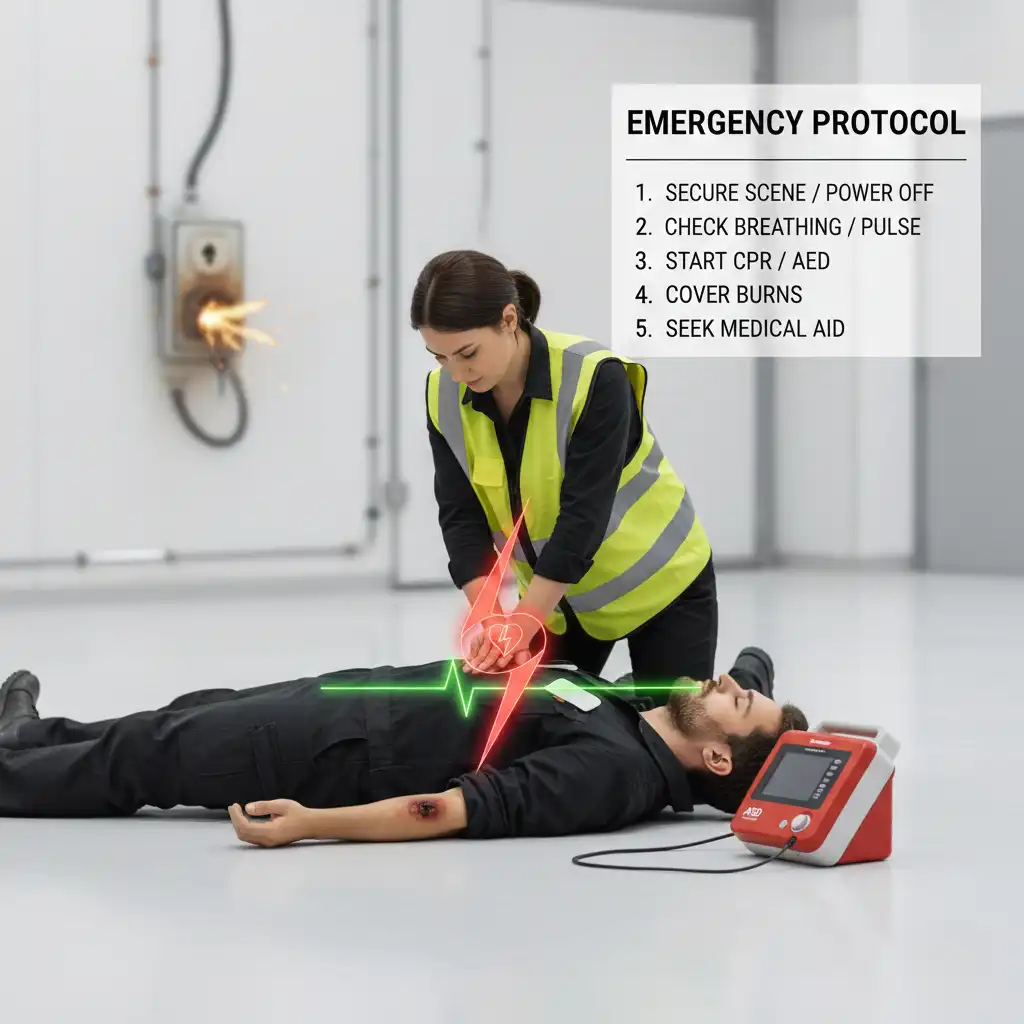
If you get an electric shock with a current of 20 mA, act fast. Your safety is most important. Check if the area is safe before helping. Turn off the power if you can do it safely. Never touch someone who is still touching electricity.
After the person is away from the source, check breathing and pulse. If they are not breathing or have no pulse, start CPR right away. Doing CPR within four minutes can save their life. If you have an AED, use it as soon as you can.
Some injuries may look small but can be worse inside. Even tiny burns can hide deeper harm. Cover burns with a clean cloth. Do not put ice or ointment on burns. If you see swelling or strong pain, get medical help early. Doctors may need to remove damaged tissue or do a fasciotomy to stop more harm.
Here is a table that lists important first aid steps:
Complication monitoring (e.g., watch for signs of rhabdomyolysis or compartment syndrome) — these typically follow high‑voltage exposure, prolonged contact, or extensive muscle injury; monitor for severe muscle pain, dark (tea‑coloured) urine, rising CK, oliguria, and progressive compartment tightness.
⚠️ Stay calm and act fast. What you do can help someone recover.
When to Seek Medical Help
You should always get medical help after an electric shock with a current of 20 mA. Call 911 or your local emergency number if someone is hurt by electricity. Even if they feel okay, problems can show up later.
Doctors often find problems in the emergency room after electric injuries. These problems can include:
| Complication | Description |
|---|---|
| Cardiac dysrhythmias | Irregular heartbeats that may need monitoring. |
| Renal failure | Kidney problems caused by changes in body fluids. |
| Neurological issues | Nerve or brain problems from the shock. |
| Bone fractures | Broken bones from muscle contractions or falls. |
| Local infection | Infections at the burn site. |
| Complex regional pain syndrome | Ongoing pain and sensitivity after the injury. |
If you notice chest pain, trouble breathing, confusion, or bad burns, get medical help right away. Doctors can look for hidden injuries and start treatment early. Quick help can stop serious problems and help you get better faster.
For authoritative definitions, safety thresholds, and first‑aid protocols, consult these primary sources: IEC’s 2018 IEC 60479‑1 “Effects of current on human beings and livestock”, American Heart Association’s 2020 Guidelines for CPR and ECC (BLS), OSHA’s 29 CFR 1910 Subpart S — Electrical, and NFPA’s NFPA 70E Standard for Electrical Safety in the Workplace.
| Preventive Measure | Description |
|---|---|
| Keep away from water | Make sure appliances stay dry to avoid shock. |
| Use GFCIs | Put them in kitchens and bathrooms for more safety. |
| Use insulated tools | Pick tools with insulation when working with electricity. |
Knowing the risks and what to do can help you stay safe near electricity.
FAQ
What should you do first if you get an electric shock?
You should move away from the source safely. Turn off the power if possible. If you cannot move, call for help. Always check for burns or other injuries after the shock.
What signs show you need medical help after a shock?
Watch for chest pain, trouble breathing, confusion, or burns. If you feel dizzy or weak, seek help. Even if you feel fine, problems can appear later.
What can happen if you do not treat a 20 mA shock?
You might develop heart problems, muscle pain, or nerve issues. Burns can get worse over time. Quick treatment helps prevent serious complications.
What makes a 20 mA shock dangerous?
A 20 mA shock can cause strong muscle contractions. You may not be able to let go of the source. Breathing and heart rhythms can also be affected.
What safety steps help prevent electric shocks?
- Use insulated tools.
- Keep water away from electrical devices.
- Install ground fault circuit interrupters (GFCIs).
- Stay alert and follow safety rules to protect yourself.