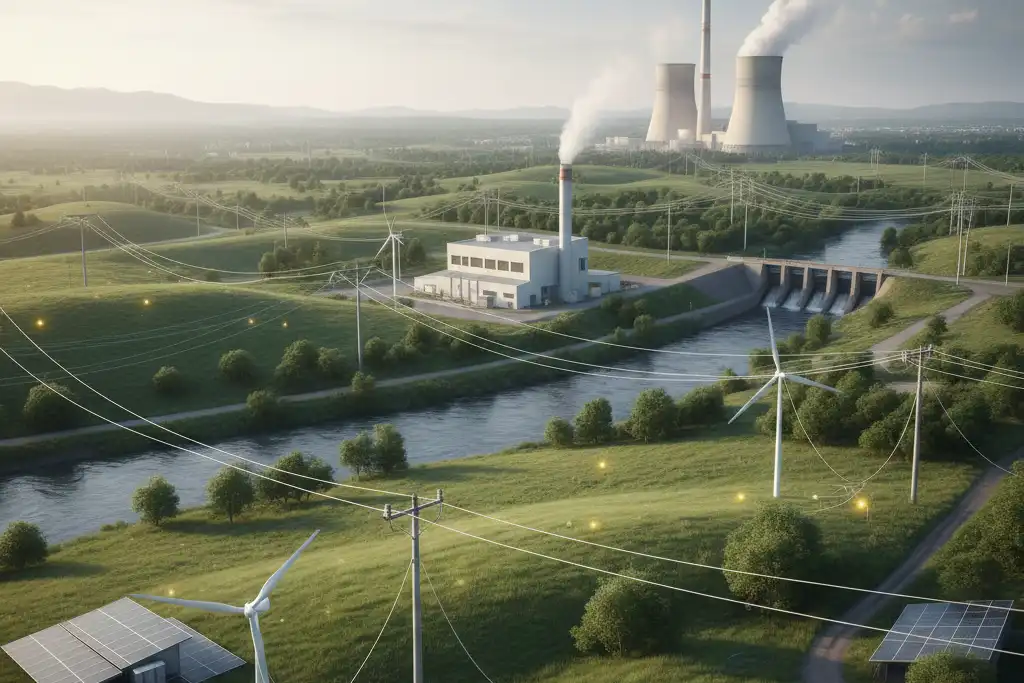
Distributed Generation in Electrical Engineering means making electricity near where you use it. You do not get power from a faraway big power plant. This change brings electricity to your home or business. It makes energy delivery quicker and more dependable. In the last ten years, solar panels and other small power systems have grown a lot. The table below shows solar photovoltaic systems are the most popular. Most distributed generation systems now connect to the grid.
| Aspect | Details |
|---|---|
| Adoption Rate | Adoption has gone up a lot in the last ten years. |
| Leading Technology | Solar photovoltaic systems are popular because they are cheap and work well. |
| On-grid Market Share | On-grid systems made up 74.30% of the DG market in 2024. |
| Economic Benefits | You can sell extra energy back to the grid with net metering. |
| Driving Factors | Energy costs are rising. Technology is getting better. Government policies help too. |
| Future Growth Opportunities | Renewable energy technology will keep improving. Smart grids will help growth. |
Key Takeaways
- Distributed generation puts electricity near your home. This makes getting energy quicker and more steady.
- Solar panels and wind turbines help you spend less money. They also cut down on pollution. This is good for your wallet and the planet.
- Energy storage systems, like batteries, let you keep power for later. You can use this power if the lights go out.
- If you connect your system to the grid, you can share extra energy. You also get backup power when you need it. This helps you rely less on others for energy.
- Distributed generation systems can grow as you need more power. You can add new energy sources when your needs change.
Distributed Generation in Electrical Engineering: Technologies
What Is Distributed Generation?
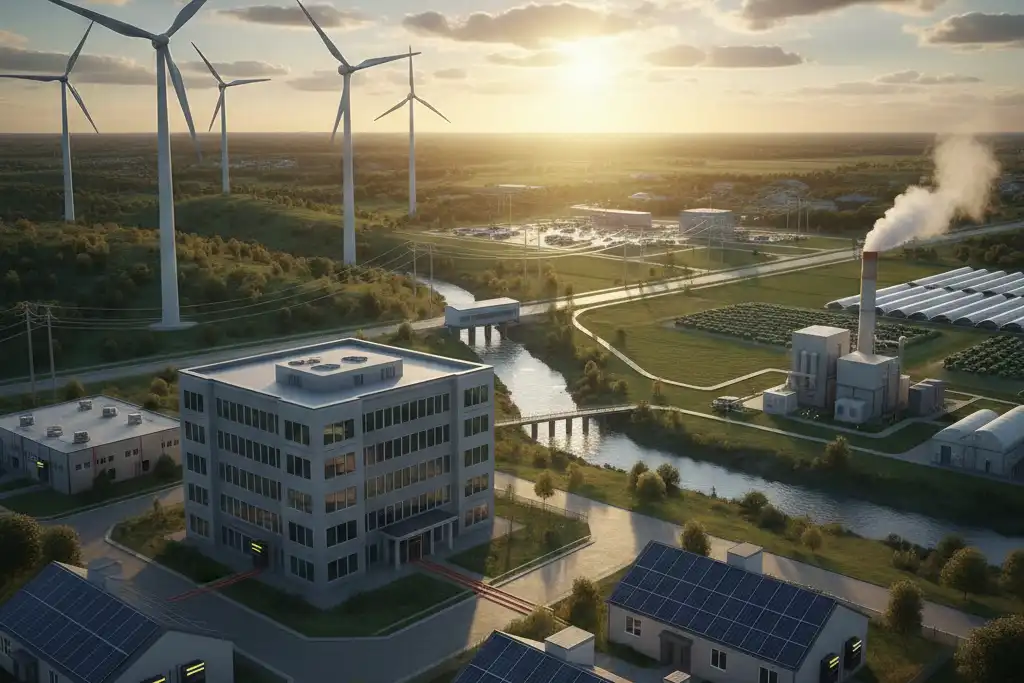
You may ask what Distributed Generation in Electrical Engineering means for you. This way lets you make electricity near where you use it. You can do this at home, school, or your business. You do not need only big power plants far away. You can use smaller systems that fit what you need. This helps you get power faster and with fewer problems. Many people pick Distributed Generation in Electrical Engineering because it uses cleaner energy. It also gives you more control over your electricity.
Main DG Technologies
There are many kinds of technologies in Distributed Generation in Electrical Engineering. Each one works in its own way to make electricity close to you. Here are some common choices:
- Reciprocating engine generator sets use engines like car engines to make power.
- Combustion turbines spin quickly to create electricity, often with natural gas.
- Fuel cells use chemical reactions to make electricity quietly and cleanly.
- Wind turbines catch wind and turn it into power.
- Photovoltaic systems use sunlight to make electricity, often called solar panels.
People like these technologies because they fit in small places. They also work well with other systems. You can choose the best one for your area and needs.
Tip: State and national goals for cleaner air help people use these technologies. Many places set goals to lower pollution and use more renewable energy. Rules and planning help keep Distributed Generation in Electrical Engineering reliable and affordable.
Location and Grid Integration
Where you put your distributed generation system is very important. You want it close to where you use the most electricity. This helps you save energy that would be lost in long wires. If you connect your system to the grid, you can share extra power or get backup power when needed.
Here is a table that shows how these systems affect the grid:
| Benefit/Challenge | Description |
|---|---|
| Localized Power Generation | You help make the grid stronger by using power made nearby. |
| Reduced Transmission Losses | You save energy because it does not travel far. |
| Variability in Production | Power from wind or sun can change fast, which may cause problems. |
| Need for Advanced Monitoring | You need smart systems to watch and control your power. |
If you live in a city, you may face some problems. There is less space, higher costs, and strict rules. These things can make it hard to put in new systems. Here is a quick look at these problems:
| Barrier Type | Description |
|---|---|
| Limited Space | Cities have less open land, so finding room for new energy projects is hard. |
| Economic Challenges | It can cost more to install and keep up systems in busy cities. |
| Regulatory Compliance Issues | Rules and zoning laws can slow down or stop new projects. |
Distributed Generation in Electrical Engineering gives you many ways to make and use electricity. You can help the environment, save energy, and make the grid stronger by picking the right technology and place.
DG System Components
Energy Sources
You can pick from many energy sources for your system. Some use renewable energy. Others use fuels like natural gas. Here are the main types you might see:
- Solar PV (solar panels)
- Wind turbines
- Reciprocating engines
- Microturbines
- Gas turbines
- Fuel cells
- Hydropower
Solar PV is the most popular now. It costs less and gets help from government programs. Most people connect their systems to the grid. This lets you use net metering and feed-in tariffs. These help you save money.
Inverters and Power Converters
Inverters and power converters are important parts of your system. They change electricity from your source into a form you can use. Your home or the grid needs this change. These devices also keep your system safe and working well.
| Aspect | Contribution to Efficiency and Safety |
|---|---|
| Compliance with Standards | Inverters must meet UL 1741 for safety. This makes sure they work well in real life. |
| Grid Stability | Smart inverters help control voltage and reactive power. This keeps the grid stable. |
| Resilience During Outages | Inverters let systems work during outages. This makes things safer for users. |
| Cybersecurity | New inverters have cybersecurity features. These protect the grid from problems. |
Energy Storage
Energy storage lets you use power when you need it most. You can save extra energy during the day. You can use it at night or when the power goes out.
Energy storage systems are changing how businesses use energy. They work well with renewable sources. These systems save extra energy for busy times. They help keep the grid steady and support clean energy goals.
Common storage types are:
- Electrochemical storage (batteries)
- Thermal energy storage
- Pumped-storage hydropower
- Compressed air storage
- Flywheels
Batteries are the top choice for homes and small businesses. They help you pay less for energy. They also make your system more reliable.
Control Systems
Control systems help you get the most from your setup. These systems watch your power use. They change how your system works to help you. They can lower power losses and make voltage better.
| System Type | Initial PUF (%) | Final PUF (%) | Power Loss Reduction (%) | Voltage Profile Improvement |
|---|---|---|---|---|
| 10-bus | 116 | 0 | 80 | Improved |
| 13-bus | 28 | 0 | 51 | Improved |
| 37-bus | 17 | 0 | 52 | Improved |
Smart grids work with these control systems. They help you connect different energy sources. They help you manage your power better. With the right parts, Distributed Generation in Electrical Engineering gives you more control, better savings, and cleaner energy.
DG Advantages
Energy Resilience
Distributed generation helps keep your lights on during outages. If a storm or accident breaks the main grid, your local system still works. Many towns use solar panels and batteries for important places like hospitals and fire stations.
- Energy storage systems help stop blackouts in bad weather.
- In Sterling, Massachusetts, a solar microgrid gave power for two weeks during an outage.
- In Borrego Springs, California, a solar microgrid stopped a blackout that lasted 10 hours.
- On Ocracoke Island, North Carolina, a microgrid gave people power for seven days after a line was cut.
- More solar and battery systems mean fewer big blackouts.
Efficiency and Loss Reduction
Making electricity close to where you use it wastes less energy. Distributed generation connects to local power lines, so electricity does not travel far. This setup means less energy is lost along the way.
- You use less power from big plants, which helps the planet.
- Local energy sources like solar and wind lower “line loss.”
- Connecting to lower voltage lines makes your system work better.
Sustainability
Using clean energy helps the planet. Distributed generation uses solar panels and wind turbines that do not make much pollution.
- These systems lower your carbon footprint.
- You use energy that makes fewer greenhouse gases than fossil fuels.
- Businesses can reach green goals and show they care about the earth.
- Using solar and wind makes air cleaner in your area.
Cost Savings
Distributed generation can help you save money. These systems lower your energy bills because you use less electricity from the grid. They also cut your costs to run things. You may feel more comfortable and breathe cleaner air, which can save you even more over time. Distributed Generation in Electrical Engineering is a smart way to control your energy and your money.
DG Applications
Residential and Commercial
You can use distributed generation at home or at work. Many people put solar panels on their roofs. These panels help you pay less for electricity. They also make your home more independent. Businesses use many kinds of energy systems. Some companies use solar hot water for kitchens and bathrooms. Others use wind turbines or geothermal systems for power or heat. The table below lists common technologies in businesses:
| Technology | Description |
|---|---|
| Linear Concentrator Systems | Mirrors gather sunlight to heat fluid and make electricity with a steam-turbine generator. |
| Dish/Engines | A mirrored dish focuses sunlight onto a receiver, making power with an engine generator. |
| Power Towers | Sun-tracking mirrors focus sunlight onto a receiver to make steam for a turbine generator. |
| Solar Hot Water | Collects heat from the sun to warm water for later use. |
| Solar Ventilation Preheating | Heats air before it enters a building to save energy. |
| Wind | Turbines use wind to spin blades and make electricity. |
| Geothermal | Uses heat from the Earth for energy or heating. |
| Photovoltaic | Changes sunlight into electricity with PV cells and a power converter. |
| Concentrating Solar Power | Uses mirrors to make high heat for turbines that generate electricity. |
Note: Schools and company campuses use these systems to save money and reach clean energy goals.
Industrial and CHP
Factories and big buildings need electricity and heat. You can use combined heat and power (CHP) systems for both. CHP systems make electricity and capture heat at the same time. You use this heat for hot water, steam, or heating rooms. Here are reasons why CHP is good for factories:
- CHP makes electricity and heat together, so less energy is wasted.
- You get steady power, even if the main grid stops working.
- You can use the heat for many jobs in your building.
- CHP systems help lower pollution and make energy use better.
- You get better power quality and fewer problems.
Remote and Off-Grid
If you live far from a city, you may not have the main power grid. Distributed generation systems give you steady electricity in these places. Off-grid solar panels and wind turbines give power to homes, schools, or clinics. These systems help keep people safe and healthy. In St. Mary’s, a big wind turbine now gives about half the community’s power. This helps everyone there.
Distributed energy resources give you more control and help your town stay strong during storms or blackouts. Energy storage, like batteries, lets you save extra power for times when the sun does not shine or the wind does not blow. With these tools, you can keep your lights on and make life better in your area.
Distributed Generation in Electrical Engineering gives you many ways to use energy where you need it most. You can pick the best system for your home, business, or community.
DG vs. Centralized Power
Scale and Modularity
You can make distributed generation systems bigger over time. If you need more power, you add solar panels or batteries. This way, you can grow your system when you want. Centralized power plants are not as easy to change. Making them bigger takes lots of time and money. You cannot add small parts fast. For example, you can put a solar panel on your roof. Later, you can add a battery or a charger for your electric car. This makes it easy to change your system when your energy needs change.
Reliability
Distributed generation helps keep your power on during storms. If one part breaks, other parts can still work. Centralized power plants can stop working if there is a problem far away. You can see how different systems handle reliability:
| Aspect | Findings |
|---|---|
| Reliability | Distributed generation systems work better in bad weather |
| Risk Assessment | You can use tools to check how weather affects your system |
| Optimization | Good planning helps your system work in all conditions |
Environmental Impact
Distributed generation often uses clean energy like solar and wind. This helps the planet because it makes less pollution. Centralized fossil fuel plants make more pollution and use more water. You can compare the impacts here:
| Aspect | Distributed Generation | Centralized Fossil Fuel Power Plants |
|---|---|---|
| Environmental Impact | Lower, especially with renewables | Higher because of emissions |
| Land Use Concerns | Needs space, sometimes near homes | Big plants need lots of land |
| Air Pollution | Smaller scale, closer to people | Makes a lot of air pollution |
| Efficiency | Not as efficient with combustion | More efficient when very large |
| Water Usage | Some systems need water | Uses lots of water for cooling |
| Waste Management | Can use waste in some systems | Has problems with waste management |
Transmission Losses
Distributed generation saves energy because power does not travel far. When you make electricity close to home, you lose less energy. Centralized power plants send power over long wires. This can waste up to 10% of the energy. Here are some benefits:
- Distributed generation helps lower transmission losses.
- Local power makes your system stronger and less dependent on big plants.
Tip: Using distributed generation helps save energy. It also makes your community stronger.
You have learned that distributed generation means making electricity near you. The main parts are energy sources, inverters, storage, and control systems. These parts help you save money and protect the planet. They also keep your power on when there are outages.
- Energy sources like solar and wind give you clean power.
- Inverters and control systems help you use and manage electricity.
- Storage lets you save energy for later.
Distributed generation is growing quickly. You will see more solar panels and batteries in homes and businesses. Smart systems will also become more common. This change helps you use energy better and makes the future cleaner.
FAQ
What is the main benefit of distributed generation for you?
You get electricity where you use it. This means you do not need long wires. You lose less energy. Your power at home or work is more steady.
Can you use distributed generation if you live in an apartment?
Yes, you can use it. Many apartments share solar panels. Some join community energy programs. You do not need your own roof. You still get clean, local electricity.
How does distributed generation help during a power outage?
Distributed generation systems, like solar panels with batteries, keep your lights on if the main grid stops. You stay safe and comfortable even if others lose power.
Is distributed generation good for the environment?
- You make less pollution by using solar, wind, or other clean sources.
- You help lower greenhouse gases.
- You help make the planet cleaner and healthier for everyone.
See also
Wind Turbine Distribution Protection Circuit Breaker Solutions
Fire safety guidelines for solar combiner boxes
What are the characteristics of solar inverters
Grid connected photovoltaic power ATS
How to choose circuit breakers for solar power generation systems