Regular ATS maintenance helps your power system stay safe and work well. If you skip regular checks, you could have big problems:
- Power outages can stop work without warning.
- Electrical risks can hurt people.
- Equipment can break, which costs a lot to fix and does not last as long.
You keep your building safe by checking your ATS often and making sure it works well.
Key Takeaways
- Doing regular ATS maintenance stops power loss and damage. Check your ATS often so it works well.
- Watch for warning signs like breakers that trip or odd sounds. Finding problems early stops bigger trouble later.
- Always turn off the power before you test your ATS. This keeps you safe from getting shocked.
- Do manual transfer tests every month to check your ATS. This makes sure it switches power the right way. Your system will be ready for emergencies.
- Keep a log of maintenance to track fixes and problems. This helps you see patterns and take care of your ATS better.
Signs Your ATS Needs Attention
Taking care of your automatic transfer switch helps stop power problems. You can find warning signs if you know what to look for. Checking your ATS often makes fixing it easier. You can catch problems before they get worse.
Visual and Audible Warning Signs
Watch and listen closely to your ATS. Some signs are easy to notice if you pay attention. Here are the most common warning signs that your ATS needs help:
- Tripped breakers
- Loose connections, corrosion, dust, dirt, or leaves
- Problems like moisture, flooding, or water leaks
- Broken or faulty controller
- The generator keeps running after power comes back
Tip: If you hear buzzing, clicking, or humming from the ATS, it could mean trouble. You should also check for burnt smells or strange colors near the panel.
Common Fault Indicators
You can find more clues by looking for common fault indicators. These problems often make the ATS stop working right. The table below lists some top causes of ATS trouble and what they mean:
| Cause | Description |
|---|---|
| Mechanical Failures | Parts like relays and switches can wear out from dust, moisture, or not enough oil. |
| Electrical Connection Issues | Loose or rusty connections can mess up the power flow and cause problems. |
| Control Panel Failures | If the control panel fails, the ATS may not work during a power loss. |
Check for these problems when you do ATS maintenance. If you see any of these signs, fix them fast to stop bigger issues. Finding problems early keeps your power system safe and working well.
Safety Steps Before ATS Testing
You need to be careful before you test the ATS. Staying safe is very important. You can stop accidents if you follow these steps.
Power Isolation
Always turn off the power before touching the ATS. This keeps you from getting shocked. Do these things:
- Turn off the ATS from the main power.
- Turn off the ATS from the backup power.
Never forget this step. Power isolation keeps you and your things safe.
Note: ANSI/NETA ATS-2021 has rules for field tests and checks. These rules help you see if your equipment works and is safe.
Protective Equipment
Wearing the right gear keeps you safe when working on the ATS. OSHA tells you what gear you need. Here is a table to help you remember:
| Type of Protection | Requirements |
|---|---|
| Eye and Face Protection | Wear safety glasses with tools. Use goggles for chemicals. |
| Head Protection | Wear a hard hat if your head could get hurt. |
| Foot Protection | Wear safety shoes when lifting heavy things. |
| Hand Protection | Wear gloves for sharp or chemical things. |
| Respiratory Protection | Only use a respirator if you are trained and must. |
| Hearing Protection | Wear hearing protection if it is very loud. |
Check your gear before you start. Make sure it fits and works right.
Environment Preparation
Look at the area around the ATS before you start. A safe place helps you avoid trouble. Check these things:
| Environmental Factor | Description | Recommended Range |
|---|---|---|
| Temperature | Too much heat can break parts. Cold makes water. | 68°F (20°C) to 77°F (25°C) |
| Humidity | Low humidity makes static. High makes rust. | 40% to 60% relative humidity |
| Airflow | Bad airflow can make things too hot. | Good air movement is needed |
Keep the area clean and dry. Take away messes or water. Make sure you have enough light to see.
Tip: Always follow the maker’s instructions for ATS care. These steps keep you safe and your equipment working.
ATS Testing Steps
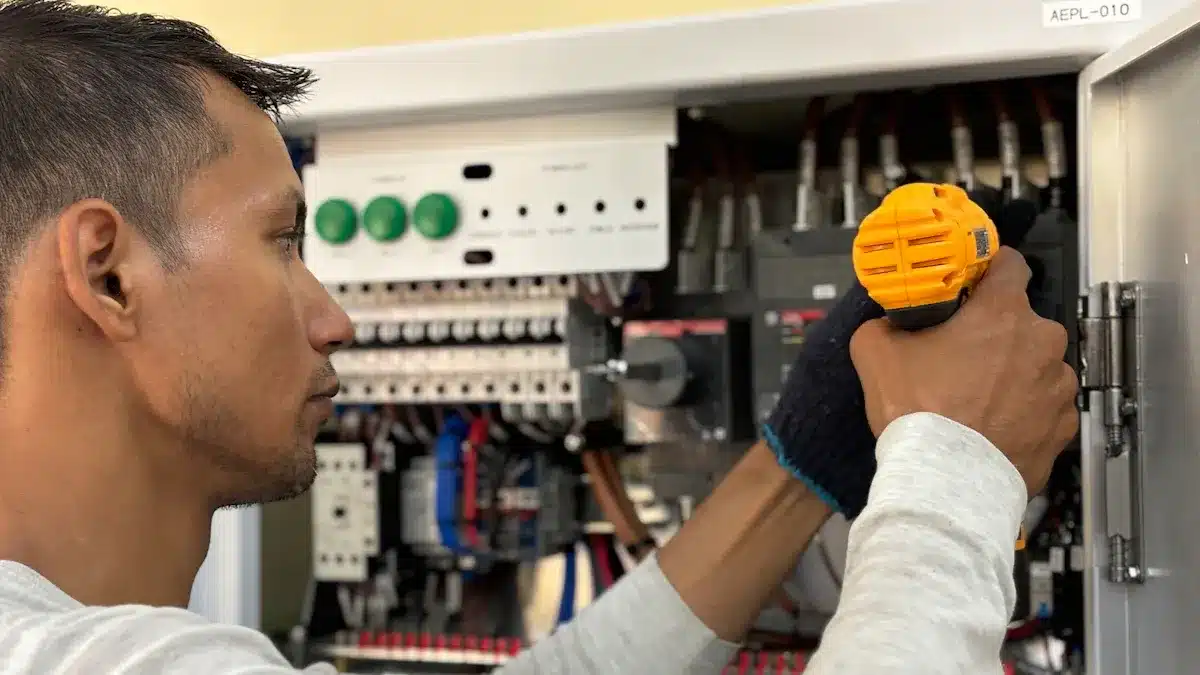
Testing your automatic transfer switch helps you know if it works when you need it most. You can follow these steps to check your ATS and keep your power system safe.
Manual Transfer Test
A manual transfer test lets you see if the ATS can switch power sources when needed. You should do this test every month to keep your system ready. Here is how you can perform a manual transfer test:
- Inspect the ATS
Look at the ATS for any signs of damage, dirt, or loose parts. Make sure all warning labels are easy to see. Check that the ATS is clean and anchored well. - Check Mechanical Parts
Move the switch by hand to see if it works smoothly. Listen for odd noises. Make sure the switch lines up right and nothing blocks its movement. - Test Electrical Settings
Use a meter to check the insulation and resistance. Look at the control panel and make sure all settings match the manufacturer’s instructions. - Simulate a Power Loss
Turn off the main power breaker. Watch the ATS. It should sense the loss and switch to the backup power. If you have a generator, it should start up and supply power. - Return to Normal Power
Turn the main power back on. The ATS should switch back to the main source. The generator should turn off.
Tip: You should operate the transfer switch every month. Switch from the main to the backup and back again. This keeps the parts from sticking and helps you spot problems early.
Electrical Function Test
An electrical function test checks if the ATS works right under real power loads. You should do this test once a year. In high-risk places, you may need to test every three months. Here are the steps:
- Measure the voltage and current on both the main and backup lines.
- Check the resistance and insulation of the switch contacts.
- Look at the power, frequency, and phase to make sure they match the system needs.
- Test for harmonics and impedance to see if the power is clean.
- Record the readings for each step.
| Parameter | What to Check For |
|---|---|
| Voltage | Correct levels on all phases |
| Current | No overloads or drops |
| Resistance | Low contact resistance |
| Power | Stable supply during transfer |
| Frequency | Matches system requirements |
| Phase | Proper alignment |
| Insulation Resistance | No leaks or shorts |
Note: Always write down your test results. This helps you track changes over time and spot issues before they cause trouble.
Result Interpretation
After you finish the tests, you need to look at the results to see if the ATS works well. Here is how you can understand what the numbers mean:
- Check if all readings fall within the normal range set by the ATS manufacturer.
- Make sure the switch moves quickly and smoothly between power sources.
- Look for any signs of slow response, odd noises, or wrong voltages.
- Compare your results to past tests. Big changes may mean a problem.
- If you see results outside the normal range, plan repairs or call a professional.
Alert: If you find any test results that do not meet the standards, do not ignore them. Even small problems can lead to bigger failures later.
You should always follow the performance standards for your ATS. If you are not sure about a result, write a note or comment in your maintenance log. This helps others understand what happened and what you did. Standardized notes make it easier for technicians to review and fix issues.
Regular ATS maintenance and testing help you catch problems early. You keep your power system safe and ready for emergencies.
ATS Maintenance Tasks
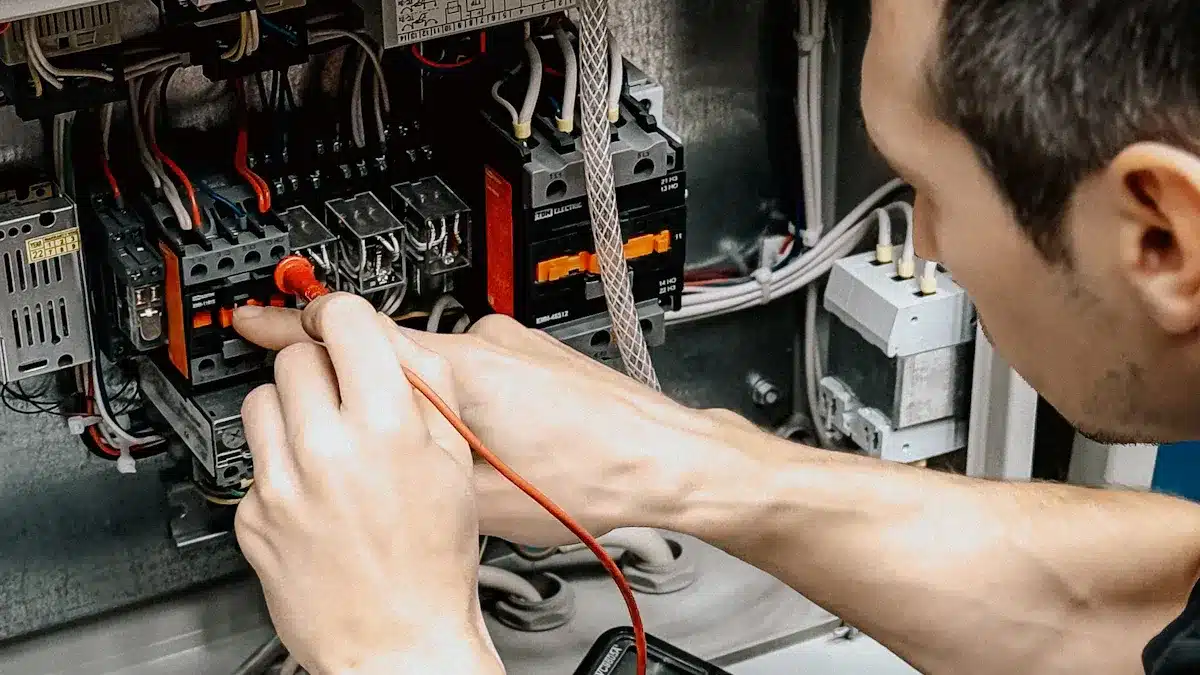
You should have a simple plan for ATS maintenance. This keeps your system safe and working well. Always look at the manufacturer’s rules and use a checklist. A checklist helps you remember each step and not skip anything.
Visual Inspection and Cleaning
Start by looking at the ATS every month. Check for dust, dirt, rust, or loose parts. Clean the ATS with a dry cloth or vacuum. Take away anything that blocks air or makes it too hot. Make sure warning labels are easy to see. Cleaning often stops problems and keeps the ATS working.
- Look for water damage or rust on the ATS.
- Take out leaves or bugs from the area.
- Make sure the ATS does not move or shake.
Tip: Checking every month helps you find problems early and keeps things running well.
Resistance and Overheating Checks
Test the resistance of important parts during ATS checks. Use a meter to see if the resistance is safe. High resistance can mean a part is loose or broken. Too much heat can also cause problems.
| Component Type | Acceptable Resistance Value | Calculation Method |
|---|---|---|
| Circuit Breakers | Minimum deviation of 50% | Multiply lowest value by 1.5 |
| Fuses | Tolerance of 15% | Multiply lowest value by 1.15 |
| Batteries | Variation not more than 20% | Based on install value |
Use a thermal camera to look for hot spots. If you find any, fix them fast. This helps you stop bigger problems before they start.
Contact and Connection Maintenance
Keep all contacts and connections in good condition. Do these steps:
- Look for worn, cracked, or rusty parts.
- Clean contacts to get rid of dust or rust.
- Oil moving parts so they work smoothly.
- Tighten all terminals as the maker says.
- Test the ATS by making a fake power loss.
- Use a thermal camera to check for hot spots.
- Write down what you find and fix in your log.
Note: Save and study data from your ATS. This helps you see patterns and plan for future checks.
You can use both predictive and preventive ways to care for your ATS. These help you stop problems and keep things working. Good ATS care means checking, cleaning, testing, and writing down your work. This keeps your power system ready for anything.
When to Call a Professional
Sometimes, you find ATS problems you cannot fix yourself. Calling a professional keeps your power system safe. Do not wait if you see signs that need expert help.
Complex Issues
Some problems need more than cleaning or tightening. If you see burnt marks or melted wires, call a technician. Broken parts inside the ATS also need expert help. Issues with the control panel or software errors are not for you to fix. If the ATS fails to switch power many times, get help. Never try to fix these problems alone. Professionals have the right tools and training for these risks.
Tip: If you feel unsure about any test or repair, call a licensed electrician. This keeps you and your equipment safe.
Scheduling Service
Plan regular service visits for your ATS. Experts say you should get a yearly inspection. If your building needs lots of power, check more often. Keep a log of all maintenance and repairs. This helps the technician know your system’s history. Share your notes and any problems when you book service.
- Book service if alarms or faults happen often.
- Arrange a check after a blackout or power surge.
- Ask the technician to look at your maintenance log.
Emergency Situations
Some problems need help right away. If your ATS fails during a power outage, call a professional fast. The table below shows emergency levels and what they mean:
| Level | Description | Examples |
|---|---|---|
| 1 | Needs help now to save lives | ATS fire, smoke, total power loss |
| 2 | High risk, needs quick action | Repeated transfer failures, overheating |
If you see smoke, fire, or no power, leave the area and call for help. Quick action can stop injury and protect your building.
Alert: Never try to fix an ATS during an emergency. Always wait for a qualified technician.
Regular ATS maintenance helps your power system stay safe. If you check your ATS often, you can stop big problems. This means you will have fewer repairs and less downtime. Here are some good things about regular checks:
- You get power during outages for important things.
- You do not need as many emergency repairs.
- Power switches fast, so work does not stop for long.
If you keep a maintenance log, you can see problems early. This helps you fix things and make your ATS last longer.
| Benefit | Description |
|---|---|
| Improved maintenance | A log lets you find problems early and keep your ATS working. |
| Compliance | Records help you follow safety rules and laws. |
| Operational optimization | Technicians can use logs to find better ways to care for your system. |
| Revenue optimization | Fixing things fast helps your business do well. |
You should also have experts check your ATS at these times:
| Inspection Interval | Description |
|---|---|
| 5 years | First check to make sure equipment is good |
| 10 years | Look for parts that are worn out |
| 15 years | Check all parts to see if they still work |
| 20 years | Make sure everything is safe and follows rules |
Always use safety steps and do what the maker says. Taking care of your ATS helps you stop problems and keeps your power on when you need it.
FAQ
How often should you test your ATS?
You should test your ATS every month. This keeps your system ready for emergencies. Some places with high power needs may need more frequent checks.
What tools do you need for ATS maintenance?
You need a multimeter, a thermal camera, insulated gloves, and safety glasses. Always follow the manufacturer’s tool list for your specific ATS.
Can you clean the ATS yourself?
Yes, you can clean the outside and remove dust or debris. Use a dry cloth or vacuum. Never use water or spray cleaners. For inside parts, call a professional.
What should you do if the ATS makes strange noises?
Stop using the ATS and check for loose parts or signs of damage. If you cannot find the problem, call a licensed technician right away.
Why is keeping a maintenance log important?
A maintenance log helps you track problems and repairs. You can spot patterns and fix issues early. This record also helps technicians understand your system better.
See also
What Is the Full Name of ATS in Electrical Systems
What to Know Before You Purchase an Automatic Transfer Switch
Key Features to Consider When Selecting an ATS for Backup Power
The Best Automatic Transfer Switch for Solar Energy in 2025

Discover more from SENTOP Electrical Co., Ltd
Subscribe to get the latest posts sent to your email.