You need different kinds of distribution equipment on ships. These help keep power safe and steady. Main switchboards control electricity for the whole ship. Circuit breakers and fuses protect systems from too much power. Transformers help match voltage for different devices. Panelboards and bus bars organize how power moves. Emergency generators and UPS units give backup power. Portable distribution units help with temporary jobs and repairs. Each piece helps your ship run safely. They make sure it stays reliable and follows strict rules.
Key Takeaways
- Main switchboards help control all power on a ship. They link generators and shore power. This makes sure electricity is safe and works well.
- Circuit breakers and fuses keep electrical systems safe from too much power. They stop overheating and fires. This helps protect everyone on the ship.
- Transformers change voltage levels so devices get the right power. This is needed for lights and equipment to work safely.
- Emergency generators and UPS units give backup power if the main power goes out. They keep important systems working and help keep people safe at sea.
- Regular maintenance of distribution equipment is very important. It makes equipment more reliable and stops sudden problems. This helps the ship run smoothly.
Shipboard Power Generation and Distribution
AC and DC Systems
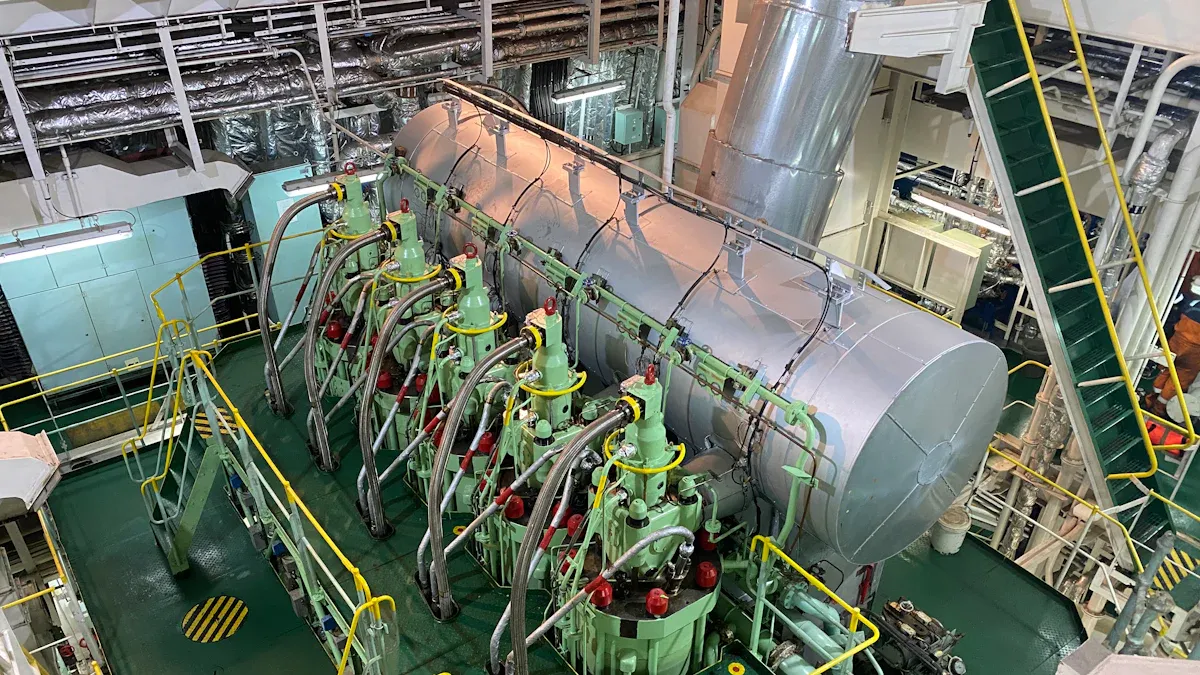
Modern ships use both AC and DC systems. AC systems give power to big things like motors and lights. DC systems help with control panels, emergency lights, and some navigation tools. Each system is important for the ship to work well. You need to know how these systems work together. This helps keep power safe and steady.
Here is a table that lists the main parts that help make and share power on ships:
| Component Type | Description |
|---|---|
| Energy Sources and Generation Units | Diesel generators, fuel cells, photovoltaic panels, and hybrid systems work together to produce energy. |
| Energy Storage and Conversion | Battery banks and inverters regulate and store energy for peak demands and emergency reserves. |
| Distribution Infrastructure | Marine-grade switchboards and circuit breakers ensure safe power delivery to critical systems. |
| Control and Monitoring Systems | PLCs and automation platforms provide centralized control and monitoring of the power management system. |
| Energy Efficiency & Load Optimization | Load management tools and algorithms optimize energy use and prevent overloads. |
| Redundancy & Emergency Resilience | Backup generators and fault protection technologies ensure reliability in critical situations. |
| Renewable Energy Integration | Integration of solar panels and fuel cells enhances sustainability and provides additional power sources. |
| Remote Monitoring & Intelligent Automation | Systems for real-time monitoring and automated responses improve operational efficiency. |
You need all these systems and equipment to keep ship operations safe and working well.
Power Flow on Ships
Power flow on ships must always be balanced. Every device needs the right amount of electricity. For example, container ships need steady power for cranes and cold storage. Dredgers use sand pumps and thrusters when moving. Cruise ships need good power for air conditioning and fun activities at sea.
Ship electrical systems send power safely and stop overloads. They use equipment like switchboards, circuit breakers, and panelboards to protect against problems. Load management tools help you avoid electrical dangers and keep the ship running, even in emergencies. Careful planning makes sure you always have power for important systems and your ship stays safe.
Types of Distribution Equipment
Main Switchboard
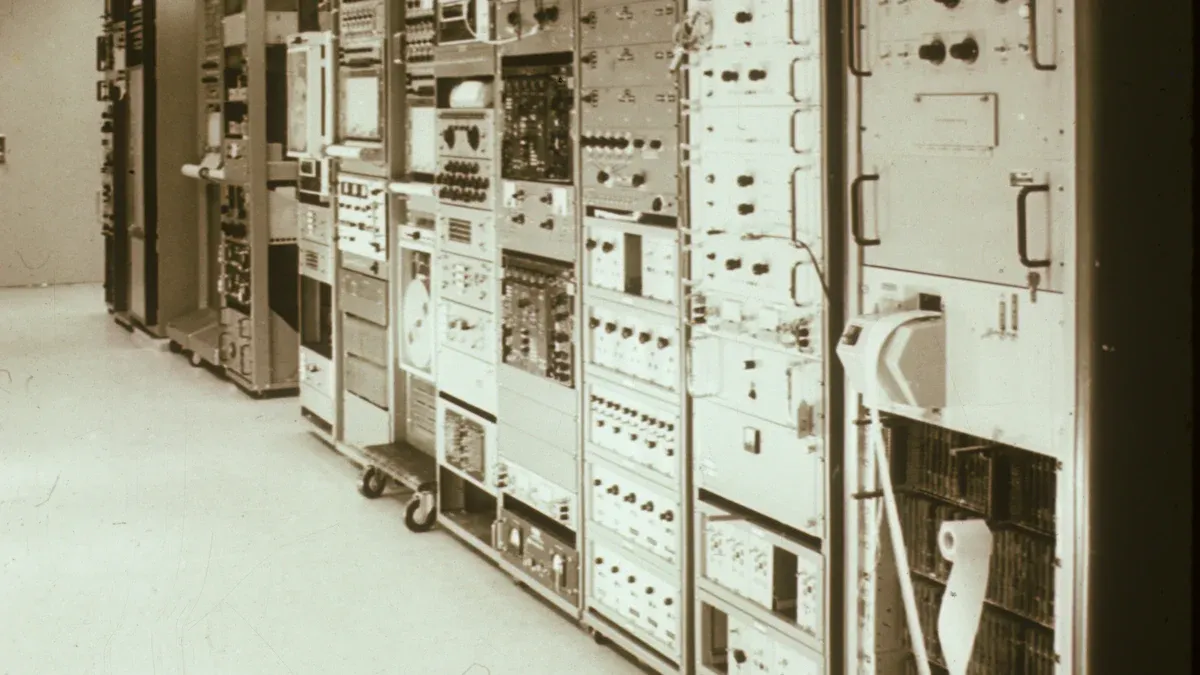
The main switchboard controls all the power on your ship. It is the center for electricity. It connects generators and shore power to ship systems. You can turn off parts for safety or repairs. It uses smart switches and monitors to keep things working.
| Benefit | Description |
|---|---|
| Enhanced electrical safety | Marine switchboards control power and have safety features. These include overcurrent relays and circuit breakers. They help keep the vessel safe from electrical errors. This is very important at sea. |
| Reliable performance | Modern marine switchboards work reliably. They use smart monitoring to give clean, correct power to ship systems. This helps you control operations better. |
| User-friendly monitoring | New switchboards are easy to monitor. They work with yacht control systems. You can spot electrical problems quickly. This makes safety and control better. |
| Redundancy | They have backup power parts. If something fails, backup systems turn on. This keeps power going and helps the ship work well. |
The main switchboard is needed for safety and reliability.
Bus Bars
Bus bars move lots of electricity through your ship. You find them inside switchboards and panelboards. They connect different parts and help power flow.
- Copper bus bars carry electricity well and do not rust. They are good for ships.
- Tinned copper works best in salty, wet places. It does not rust easily.
- Aluminum bus bars cost less and weigh less. You need bigger sizes and must protect them from rust.
Tip: Pick bus bars that do not rust and carry electricity well. This keeps your ship’s power system working, even in tough conditions.
Circuit Breakers
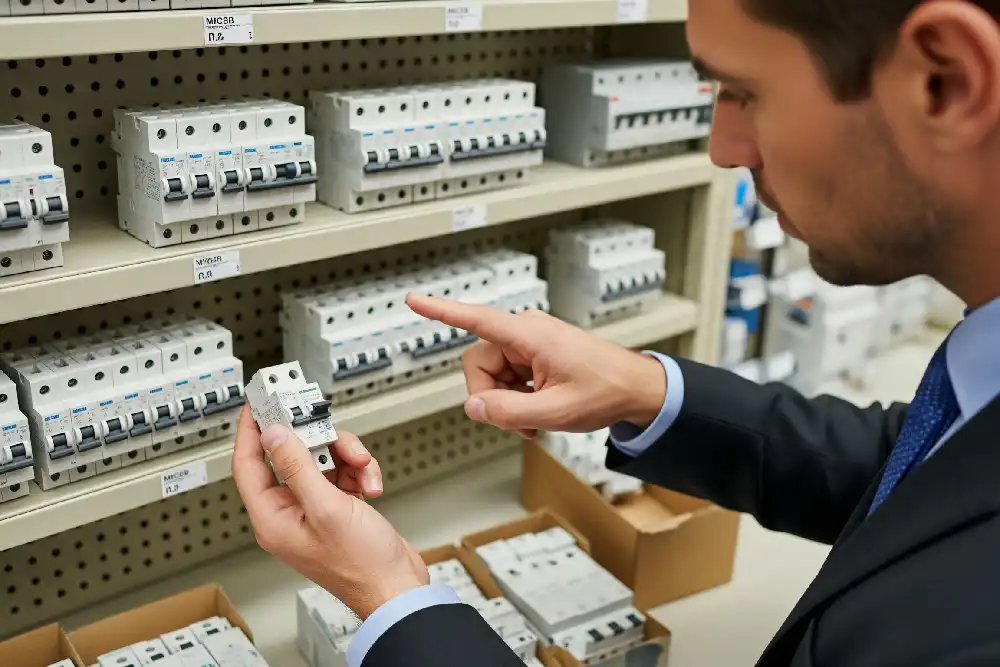
Circuit breakers protect your ship’s electrical system. If too much current flows, they shut off power. This stops overheating and fires. You use different circuit breakers for different ship parts.
- Sub-100A breakers protect small devices and control circuits.
- 100–800A breakers handle power for feeders and generator tie points.
- Above 800A breakers protect main feeders and propulsion drives.
Most ship systems use low-voltage circuit breakers. Medium-voltage breakers need special insulation and work with shore transformers.
Fuses
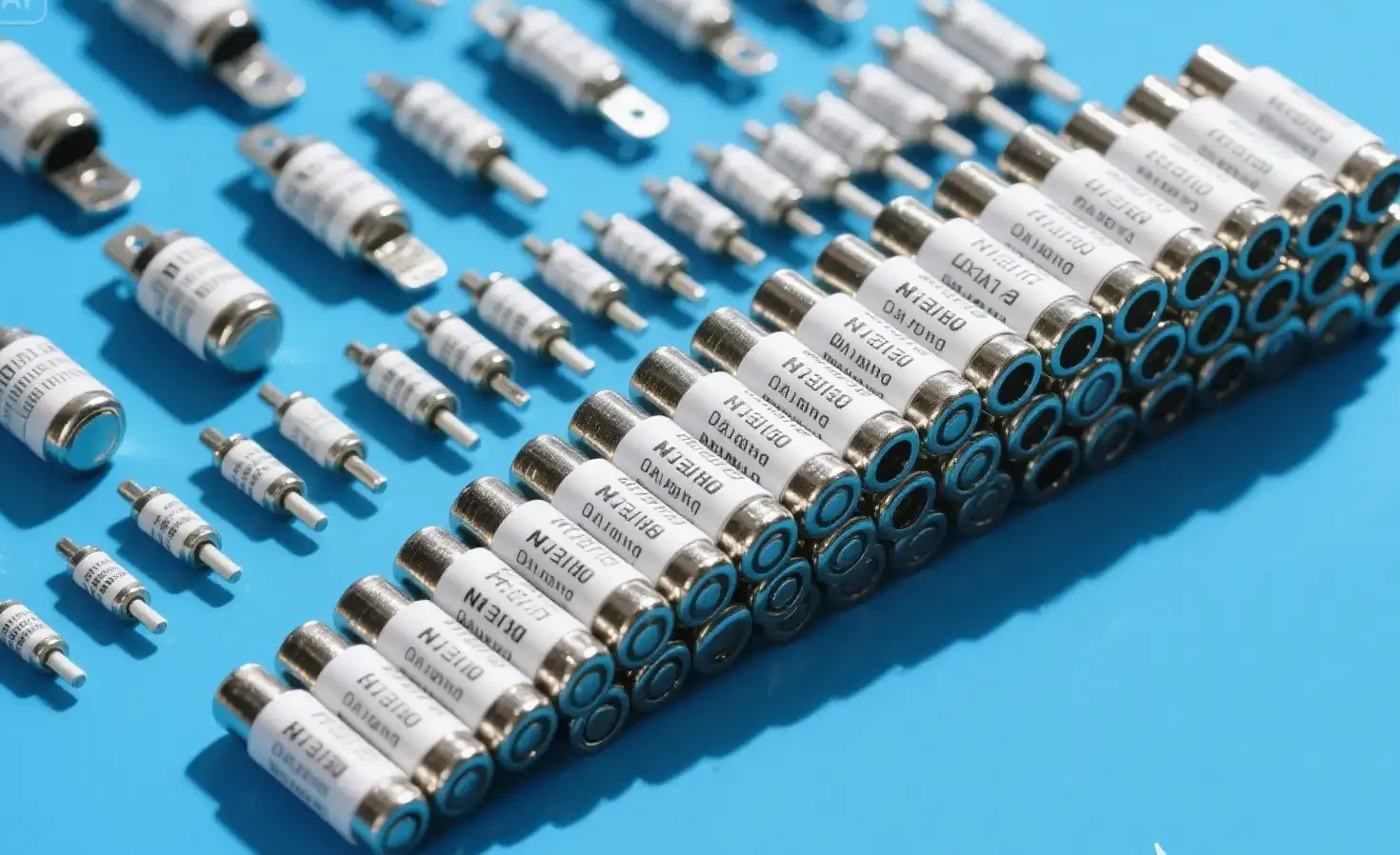
Fuses protect your ship’s electrical circuits. If there is a fault or overload, the fuse melts and breaks the circuit. This stops wires and equipment from getting damaged.
| Fuse Type | AIC Rating |
|---|---|
| ATO/ATC | 1000A |
| ATM | 1000A |
| MAXI | 1000A |
| MEGA/AMG | 2000A |
| MIDI/AMI | 1000A |
| MRBF | 10,000A |
| ANL | 6000A |
| Class T | 20,000A |
- Fuses break the circuit if there is too much current.
- They stop fires by breaking before wires get hurt.
- Always use the same fuse type and rating. Do not use wire or foil instead.
Transformers
Transformers change the voltage of electricity on your ship. They lower high voltage from generators or shore power. This makes it safe for lights and equipment. Transformers also keep critical systems safe.
- Step-down transformers lower voltage to safe levels.
- Isolation transformers protect sensitive equipment and make things safer.
You find transformers in main and emergency power systems. They help match voltage to each device.
Panelboards and Switchgear
Panelboards and switchgear help organize and control power. Panelboards split power into smaller circuits for lights and machines. Switchgear has switches and relays to control and protect circuits.
- Panelboards help manage power for cabins, kitchens, and engine rooms.
- Switchgear lets you control big circuits and turn off parts for repairs.
You need both to keep your ship’s power system safe and easy to use.
Portable and Temporary Distribution Units
Sometimes you need to move power for repairs or jobs. Portable distribution equipment helps you do this safely. You might use ungrounded boxes, marine units, or portable panelboards.
- These units set up safe, temporary power for welding or testing.
- You can move them where needed and take them away after.
Note: Always use marine-rated portable equipment. This keeps your crew safe and protects your ship’s electrical system.
Distribution Methods
You can use different ways to send power on your ship:
- Feeder systems send power from the main switchboard to areas.
- Main line systems give power along one path.
- Ring systems make a loop, so power comes from more than one way. This makes things more reliable.
- Hybrid systems mix methods for better performance.
Picking the right way helps keep your ship’s power steady and reliable.
Emergency Distribution Equipment
Emergency Switchboard
The emergency switchboard helps keep important ship systems on. It uses power from emergency sources when main power stops. This switchboard sends power to things that must work. It disconnects from the main system by itself during a power loss. The table below shows how emergency devices work together:
| Equipment Type | Function |
|---|---|
| Emergency Power Source | Gives power during outages for important systems. |
| Emergency Switchboard | Sends emergency power and disconnects if main power fails. |
| Emergency Lighting Switchboard | Keeps lights on in key places for safety and navigation. |
| Accumulator Battery | Backs up power and works even if the ship leans. |
| Emergency Generator | Gives full power in emergencies, even if the ship tilts. |
The emergency switchboard makes sure you have power for safety, communication, and navigation.
Emergency Generators
Emergency generators turn on if main power goes out. You need them to keep important things working. They must give enough power for critical needs, even if the ship leans or rocks. The table below compares emergency generators and main generators:
| Aspect | Emergency Generators | Main Generators |
|---|---|---|
| Output | For critical needs in emergencies | For all ship work |
| Reliability | Must work under stress, almost never fail | Reliable with normal use |
| Maintenance | Needs careful checks and service | Regular maintenance |
| Capacity to Cope | Handles big emergency needs | Handles different loads |
| Impact of Failure | Can cause big safety problems | May slow down ship work |
You must check and service emergency generators often to keep them ready.
Uninterruptible Power Supply (UPS)
A UPS gives backup power right away if main power drops. It keeps important things running until generators start or you can shut down safely. You use UPS units for alarms, radios, and navigation. Here are ways a UPS helps:
- Keeps radios and navigation working during power loss.
- Runs emergency lights at lifeboat stations for three hours.
- Keeps lights and communication on for up to 18 hours in key places.
- Protects electronics from sudden voltage changes.
- Stops downtime and lets you shut down safely.
Tip: Always make sure your UPS is strong enough for your ship.
Automatic Transfer Switches
Automatic transfer switches watch the main power all the time. If they see a problem, they quickly connect the emergency generator or backup. This fast switch keeps important things powered right away. You do not have to do anything by hand. ATS units help you fix power problems fast and safely, so your equipment always gets power where it is needed.
Importance of Distribution Equipment
Safety and Compliance
Every ship needs strong safety systems. Good distribution equipment keeps people and cargo safe. It also protects the ocean. There are international rules for ship electrical systems. The International Maritime Organization (IMO) makes these rules. You must follow them to stop accidents and keep ships safe.
- Electrical systems help protect everyone and the sea.
- IMO and other groups make rules for ship electrical systems. These rules focus on safety and backup power.
- You must keep records and take care of your systems. Inspectors check these records to make sure you follow the rules.
- Machine guarding standards keep workers safe from electrical dangers. You need to know about all machine hazards and write them down.
- Many safety rules, like OSHA’s, cover things like warning signs, lockout/tagout, fall safety, and training.
Note: Working with marine electrical experts helps you follow all safety rules.
Operational Reliability
Reliable power keeps your ship working well. Good distribution equipment helps ship systems run without problems. This stops delays and keeps the crew safe.
Reliable systems give you many good things:
- They stop overloads and short circuits.
- Temporary lights help people see and stop accidents.
- Strong and protected equipment lasts longer at sea.
You can see common problems and fixes in the table below:
| Common Failure Modes | Mitigation Strategies |
|---|---|
| Worn or aging components | Find important parts and use backups |
| Water in fuel | Use parts made for ships |
| Unexpected component failures | Test equipment in real ship conditions |
| Unreliable machine automation | Train the crew and keep good records |
| User error | Report small problems and share what you learn |
When you pick the right distribution equipment, your ship stays safe, works well, and is ready for anything.
You need distribution equipment to keep your ship safe and working well. Permanent and portable equipment help with daily work and emergencies. Shipbuilders test these systems in labs and on real ships. This makes sure they work in real life. Taking care of your equipment is very important. The table below shows how different ways of taking care of equipment can help your ship:
| Maintenance Strategy | Impact on Equipment Longevity | Effect on Operational Efficiency |
|---|---|---|
| Condition-Based | Makes parts last longer by checking their health | Stops problems by fixing things at the right time |
| Predictive | Finds problems before they happen | Makes the ship more reliable and stops work from being interrupted |
| Preventive | Checks equipment often to keep it working | Helps the ship work safely and well all the time |
| Reactive | Fixes things after they break | Can cause more delays and make things less safe |
Pick, set up, and look after your equipment carefully. This helps your ship stay strong and ready.
FAQ
What is the main switchboard used for on a ship?
The main switchboard helps control power on your ship. It connects the generators and shore power together. You can turn off parts for repairs or safety.
Why do ships need both circuit breakers and fuses?
Ships use circuit breakers and fuses to keep systems safe. Circuit breakers stop power if there is too much. Fuses melt and break the circuit if something goes wrong. Both help stop fires from starting.
How do portable distribution units help during ship repairs?
Portable units give safe, short-term power for repairs or welding. You can move them to where you need them. They help keep people and equipment safe during jobs.
What makes marine transformers different from regular transformers?
Marine transformers can handle wet and salty air. They change voltage safely for ship use. They protect important equipment and help match power for devices.
How often should you check emergency generators?
You should check emergency generators once a week. Checking them often keeps them ready for power loss. Always follow your ship’s plan for maintenance.
See also
MCB Price Differences Between Top Brands and Retailers
Best Places to Source Miniature Circuit Breakers in Bulk
Circuit Breaker Selection for Hospital Power Supply Systems
Wall Switch Basics Easy Guide to How They’re Made
What should I do if the circuit breaker panel is flooded with water