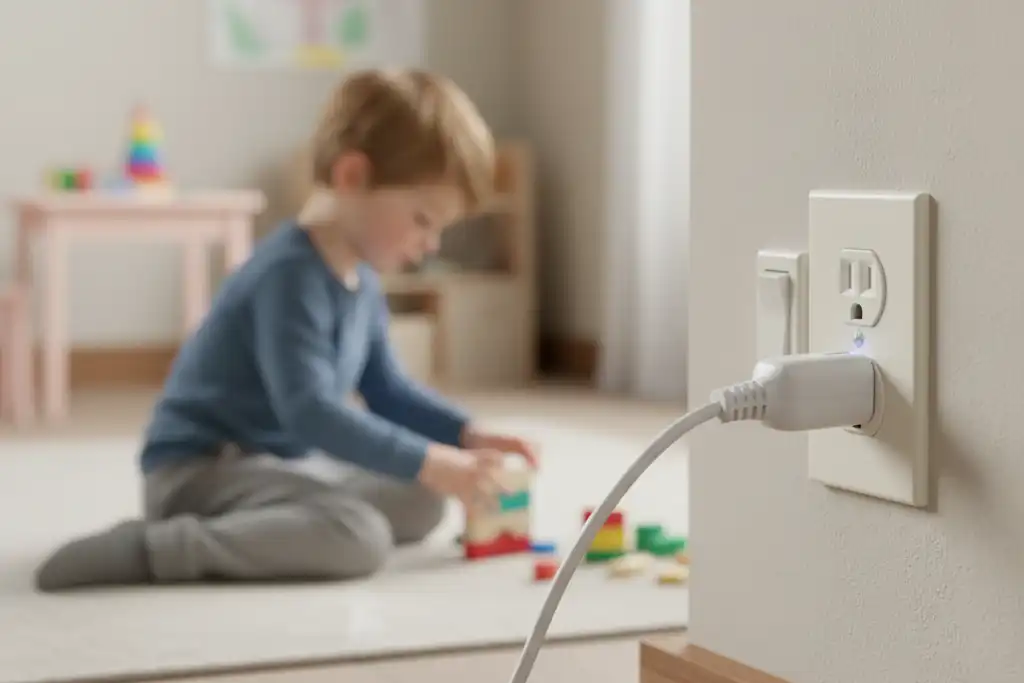
You might wonder if switches and sockets must match in your home. The answer is no, they do not always need to match. Your choice often comes down to what looks good to you and how you plan to use the space. Many people mix finishes to create a unique style.
Tip: Always keep wiring consistent and safe—never mix different wiring types.
Key Takeaways
- Switches and sockets do not have to look the same. Pick styles that you like and that make your room look better. Mixing finishes can give your home a unique feel. Use one main finish and add one or two others for balance. Always check if brands work together when you mix them. Some brands may not fit, which can be unsafe. Follow electrical rules to stay safe. Make sure your switches and sockets follow local codes to avoid danger. Plan where outlets and switches go when you fix up your home. Good placement makes things safer and easier to use.
Aesthetics
Matching for Design
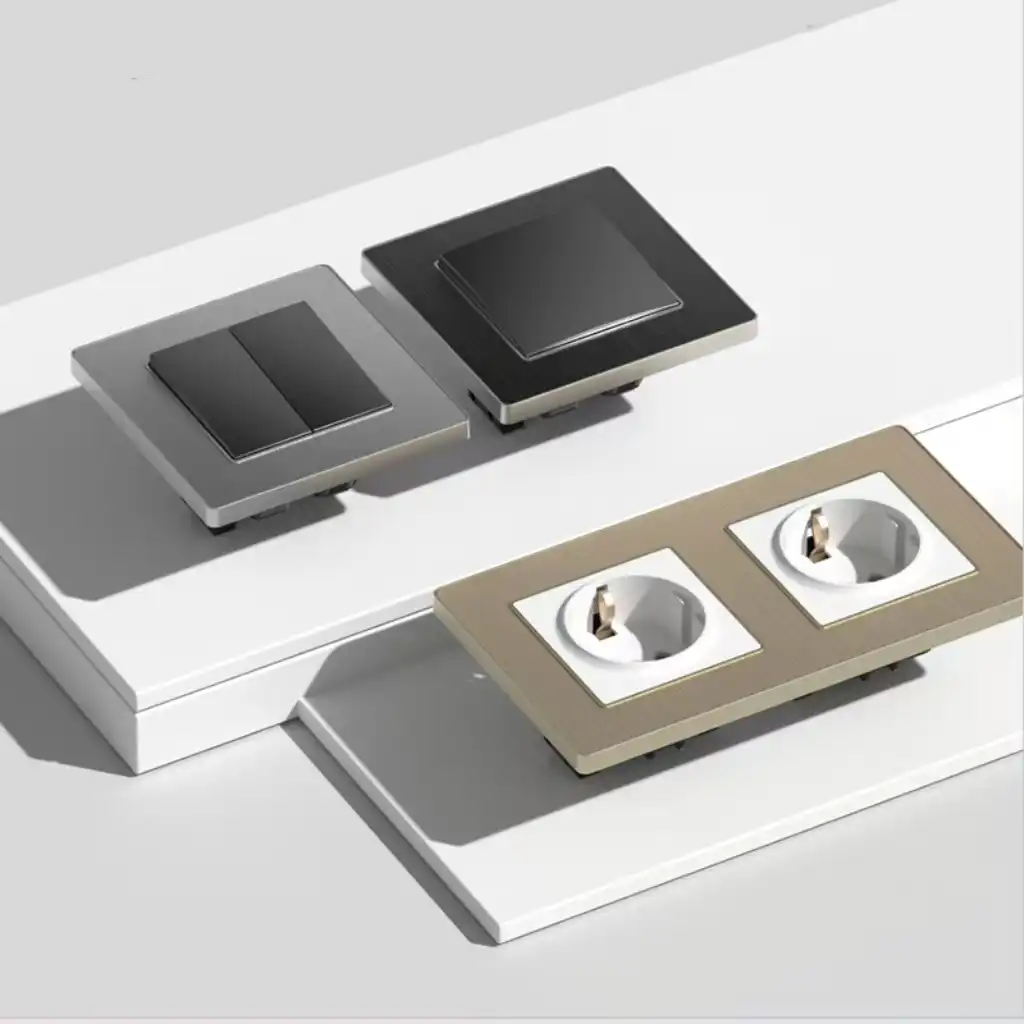
When you match your switches and sockets, you create a sense of order in your room. Everything looks neat and planned. Many people like this style because it feels calm and organized. You can match the finish to your wall color or even to other accents in the room, like door handles or light fixtures. This makes the space feel put together.
Some popular finishes you might see in modern homes include:
- Aged Brass: Classic and timeless, great for traditional rooms.
- Black Nickel: Sleek and modern, perfect for bold spaces.
- Bronze: Rich and warm, ideal for period-style homes.
- Brushed Chrome: Versatile and stylish, fits many designs.
- Matt Black: Trendy and dramatic, works well in modern or eclectic rooms.
- Polished Chrome: Shiny and bright, but needs regular cleaning.
- White Metal: Clean and simple, great for minimal spaces.
- Fusion Collection: Mixes different finishes for a unique look.
If you want your switches and sockets to blend in, you can paint the covers to match your walls. This is a budget-friendly trick. Buying new switches and hiring an electrician can cost more, so painting is a smart way to save money.
Tip: Matching your switches and sockets to your wall color can make the room feel bigger and less cluttered.
Mixing Finishes
You do not have to stick to just one finish. Mixing can add personality and interest to your home. Here are some simple design tips:
- Pick one main finish and add one or two others for variety.
- Use your chosen mix in more than one room to keep things consistent.
- Try mixing shiny and matte finishes or warm and cool tones for a bold look.
Mixing finishes works best when you plan ahead. If you use too many different styles, the room can feel messy. But with a little planning, you can create a space that feels both stylish and personal.
| Aspect | Impact on Room Design |
|---|---|
| Matching | Creates a calm, unified look |
| Mixing | Adds character and visual interest |
Switches and sockets may seem small, but they can change the whole feel of a room. Whether you match or mix, you get to decide what fits your style and budget.
Switches and Sockets: Compatibility
Modular Systems
You might have heard about modular systems for switches and sockets. These systems let you mix and match different modules to fit your needs. You can choose what you want, like USB ports, dimmers, or regular switches, and snap them into one frame. This makes your electrical setup flexible and easy to update.
Here’s a quick look at why modular systems are so popular:
| Feature | Benefit |
|---|---|
| Customizable Modules | You can tailor your electrical system to your space. |
| Interchangeable Components | Upgrades and replacements become simple. |
| Easy Installation | You save time and avoid major rewiring. |
With modular systems, you can swap out a broken switch or add a new feature without tearing up your walls. You save money and effort during installation and future upgrades. If you want to add smart features later, modular systems make it easy to do so.
Tip: Modular switches and sockets help you keep your home up-to-date with new technology. You can add or change parts as your needs grow.
Brand Issues
Mixing switches and sockets from different brands might seem like a good idea, but it can cause problems. Not all brands use the same designs or standards. Sometimes, parts from one brand do not fit with another. This can lead to loose connections or even safety risks.
Here are some common issues you might face when mixing brands:
- Devices may not work as expected, which can lead to electrical fires.
- Loose connections can cause arcing or overheating.
- Mismatched parts may not have the right safety features.
- Some brands use special features that do not work with others, like certain network protocols or smart home systems.
- Auto-negotiation failures can happen, especially with higher-speed connections.
- Even switches from the same brand can have problems if they use different models or technologies.
If you plan to use smart switches and sockets, you need to check if they work with your current setup. Some smart devices use Wi-Fi, while others use ZigBee or Bluetooth. Mixing these can make your system unstable or hard to control. Choosing devices from well-known brands helps you avoid these headaches.
Note: Always check the compatibility of your switches and sockets before you buy. Look for products that meet safety standards and work well together.
When you pick switches and sockets for a new build, follow these steps:
- Match the style to your home’s look.
- Choose the plate type that fits your needs.
- Pick the right switch type for each room.
- Go for high-quality products with good guarantees.
- Make sure the range includes all the fittings you need.
Taking these steps helps you avoid mismatched parts and keeps your home safe and stylish.
Safety
Electrical Standards
You want your home to be safe, right? Safety starts with following electrical standards. Building codes and electrical codes set the rules for how you install switches and sockets. These codes can change depending on where you live. Some places have strict rules about how outlets should face. Others leave it up to you or your electrician. People often debate about the safest way to install outlets, especially the position of the ground pin. This shows how complex these rules can be.
The National Electrical Code (NEC) gives clear instructions. It says you must use switches and sockets that are listed and identified for their specific combinations. This means you cannot just mix any parts together. You need to check that each switch and socket works safely with the others. Codes change over time, so you should always use the latest standards. If you follow these rules, you lower the risk of electrical problems.
Tip: Always ask your electrician if your switches and sockets meet the latest code. This helps you avoid trouble later.
Wiring Concerns
Wiring is the heart of your electrical system. If you mix different types of wiring, you can create big safety risks. You might think it is okay to swap out a switch or socket on your own, but you need to know what is behind the wall. Old homes sometimes have outdated wiring. New homes use safer materials and methods. If you connect new switches and sockets to old wiring, you could cause overheating or even fires.
Here are some things you should check before replacing or adding switches and sockets:
- Look at the wiring type. Is it copper or aluminum?
- Check for signs of damage, like frayed wires or burn marks.
- Make sure the wire size matches the switch or socket rating.
- Use only approved connectors and terminals.
If you see anything strange, call a licensed electrician. Never try to fix wiring problems on your own. You want your home to be safe for your family and guests.
| Wiring Issue | Possible Risk | What You Should Do |
|---|---|---|
| Mixed wire types | Overheating, fire | Use matching wire types |
| Loose connections | Arcing, shock | Tighten or replace safely |
| Wrong wire size | Overload, damage | Match wire to device rating |
⚡ Note: Mixing wiring is never safe. Always keep wiring consistent and up to code.
Practical Tips
Renovation Choices
When you renovate, you can change your electrical setup. You want things to look nice and work well. You do not have to match every finish. But you should think about a few things.
Professional electricians give some good advice:
- Match your electrical socket covers and switches for a neat look.
- Do not put outlets near water unless they are waterproof.
- Put outlets where you can reach them, like near furniture.
You also need to check the technical details. Switches must match the amp and voltage for your circuit. If your home has aluminum wiring, use switches marked CU-AL. This keeps your system safe and follows the rules.
Sometimes, matching switches and sockets is about safety. Old or broken hardware can be risky. Replacing them helps keep you and your family safe. Good products have safety features like overload protection and shock prevention. These features are more important than looks.
💡 Tip: Plan where you want outlets and switches before you start. This helps you save time and avoid mistakes.
Replacement Advice
Replacing switches and sockets can be tricky if you hurry. Many people make mistakes that cause problems later.
Here are some common mistakes:
- Not reattaching a wire or connecting it wrong.
- Mixing up wire colors or what they do.
- Getting confused with a single-pole switch, especially with three black wires.
- Making errors with three-way switches because the screws are different.
- Not checking your work as you go, which makes fixing mistakes harder.
Always turn off the power before you begin. Check every connection twice. If you are not sure, call a licensed electrician. You want your switches and sockets to be safe and work well.
⚠️ Note: Never mix different wiring types. Safety is most important, so keep your wiring the same.
You can pick if your switches and sockets match or not. Most people care more about style than rules. Safety is the most important thing. Put sockets at the right height to stay safe. Keep them away from heat and water. Use grounded outlets for big appliances. Think about what you need, like USB ports or smart plugs. Your taste helps you decide what to choose. Mixing finishes can look really nice. If you install everything the right way, mismatching is safe.
- Putting sockets in the right spot keeps you safe.
- Use fire-retardant materials and grounded sockets for safety.
- Pick designs that match your style, all the same or different.
- Mixing finishes looks good in kitchens or on different walls.
FAQ
Do switches and sockets have to match in every room?
No, you can mix styles in different rooms. You might want a modern look in your kitchen and a classic style in your bedroom. Your home should reflect your taste.
Can I paint my switch and socket covers?
Yes, you can paint covers to match your walls. Make sure you use paint that sticks to plastic or metal. Always remove the covers before painting.
Is it safe to mix brands of switches and sockets?
Mixing brands is not always safe. Some brands use different sizes or wiring methods. You should check compatibility before you buy. Sticking to one brand helps you avoid problems.
What should I do if my switches or sockets feel warm?
Warm switches or sockets can mean trouble. Turn off the power and call an electrician. Heat might show a wiring problem or overload. You should never ignore this warning.
Can I install new switches and sockets myself?
You can replace covers or switches if you know how. Always turn off the power first. If you feel unsure, call a licensed electrician. Safety comes first.
See also
What is the Right Socket for Your Home, 15 Ampere or 20 Ampere
What are the three facts about the heating of AFCI circuit breakers
What color is the best for the socket?
How to Identify the Most Suitable Wall Socket for Your Space
Metal or Plastic Socket Cover Which Is Better for Your Home