

In modern electrical systems and solar photovoltaic projects, although combiner boxes and junction boxes often appear together, they have essential differences in function, structure, and application scenarios. Understanding the differences between the two not only helps project designers choose suitable equipment, but also enables ordinary households to make more informed decisions when decorating or installing power systems.
What is a combiner box?
A combiner box is a device specifically designed to consolidate multiple DC input circuits into one output circuit. Usually used in photovoltaic power generation systems

Structural composition
- Multiple DC input ports
- Confluence busbar
- Fuse or circuit breaker
- lightning arrester
- output port
- Monitoring Module
The main function of the combiner box
- Current convergence: Combine and output currents from multiple photovoltaic modules to improve the wiring efficiency of the system.
- Electrical protection: Use fuses and lightning arresters to protect equipment from damage caused by overcurrent and lightning strikes.
- Real time monitoring: The intelligent combiner box has the ability to monitor voltage, current, and temperature, and can achieve remote fault diagnosis.
Common applications of combiner boxes
- Photovoltaic power station system: Centralized management of current from multiple components.
- DC transmission project: perform convergence treatment on multiple branches.
- Outdoor power system: equipped with waterproof and dustproof design, suitable for harsh environments.
What is a junction box?
A junction box is a device used to protect wire connection points. It usually has a housing, protective structure, and connection terminals. It is a key connecting component inside photovoltaic modules, directly installed on the back of the module, used to export the current generated by the module and protect the battery cells

Structural features
1. Connect connectors or terminals.
2. Gaskets and seals (applicable to weatherproof models).
3. Install the bracket to ensure safe installation.
The function of junction box
- Safe wiring of wires: Eliminate exposed wires that may be short circuited or electrocuted.
- Aesthetic appearance of circuit wiring: Hidden cable connection points to provide overall appeal.
- Convenient circuit maintenance: During maintenance work, it is easy to detect and handle connection faults.
Application scenarios of junction boxes
- Home Decoration: Hidden Connection Points for Wiring
- Lighting circuit: wiring strip in multi-channel lamps
- Electrical systems in the industrial field: protecting contacts and preventing external interference
Combiner box and junction box: main differences
| Component | Combiner Box | Junction Box |
|---|---|---|
| Core Components | DC circuit breakers, fuses, surge protection modules, data acquisition units | Diode, terminal block, sealant, cable connector (such as MC4) |
| Rated Voltage | Typically supports DC 1000V or above, suitable for high-voltage large-scale systems | Generally matches component voltage (e.g., DC30-50V); designed for low voltage and current |
| Protection Level | IP65 (dust and waterproof), some outdoor models reach IP68 | IP67/IP68, directly exposed on the back of the component, requiring higher sealing |
| Intelligence Level | Third-generation combiner boxes feature wireless data transmission, fault alarms, and remote monitoring | Traditional junction boxes mainly focus on protection; new smart junction boxes can monitor component status |
When to choose a combiner box
Generally, in photovoltaic power generation systems, we choose a combiner box. Solar modules are arranged in multiple series circuits, and the direct current generated by each group needs to be centrally processed through the combiner box. When choosing a combiner box, the following points should be considered:
- Number of input channels: Determine the number of collector circuits based on the number of photovoltaic strings.
- Maximum current and voltage: match the maximum output voltage and current of the photovoltaic module.
- Do you need monitoring function? It is recommended to use a combiner box with intelligent monitoring function for medium and large projects.
- Protection level: IP65 or above should be selected to prevent rainwater and dust from entering.
When to choose to use a junction box
Generally, wiring in home decoration requires the use of junction boxes, as hidden wiring is often required in household circuits, and junction boxes can provide safe branching points for electricians. So below we will learn how to choose a junction box:
- Material selection: Choose flame-retardant and heat-resistant plastic shell.
- Installation method: wall mounted or surface mounted, depending on the decoration method.
- Wiring capacity: The appropriate volume should be selected based on the diameter and quantity of the wires passing through.
- Protection level: It is recommended to use junction boxes with an IP54 rating or higher in damp areas such as bathrooms.
Can the combiner box and junction box in the solar energy system be interchanged
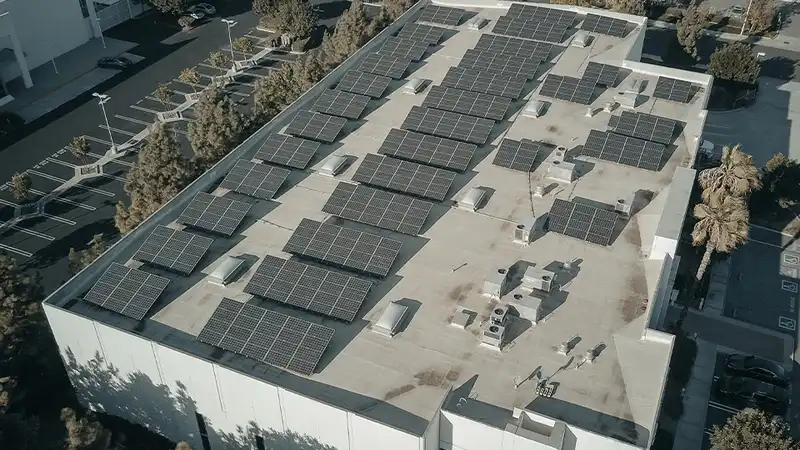
Although they both contain electrical components, these two boxes have different functions in solar energy systems.
The combiner box can be used to handle multiple inputs from photovoltaic panels as well as building safety components from electrical equipment suppliers and fuse manufacturers.
On the other hand, junction boxes do not have these functions and cannot effectively combine power sources. Using inappropriate junction boxes can compromise safety and system efficiency.
Practical case sharing
Case 1: Use of combiner boxes in solar power generation projects
Türkiye’s commercial photovoltaic power station is equipped with 20 groups of solar modules, each with an output voltage of 600V and a current of 8A. Use an intelligent combiner box with 20 inputs, each with a fuse and lightning protection module. This device supports remote monitoring, making it convenient for engineers to monitor the system’s operating status in real time, significantly improving operational efficiency and safety.
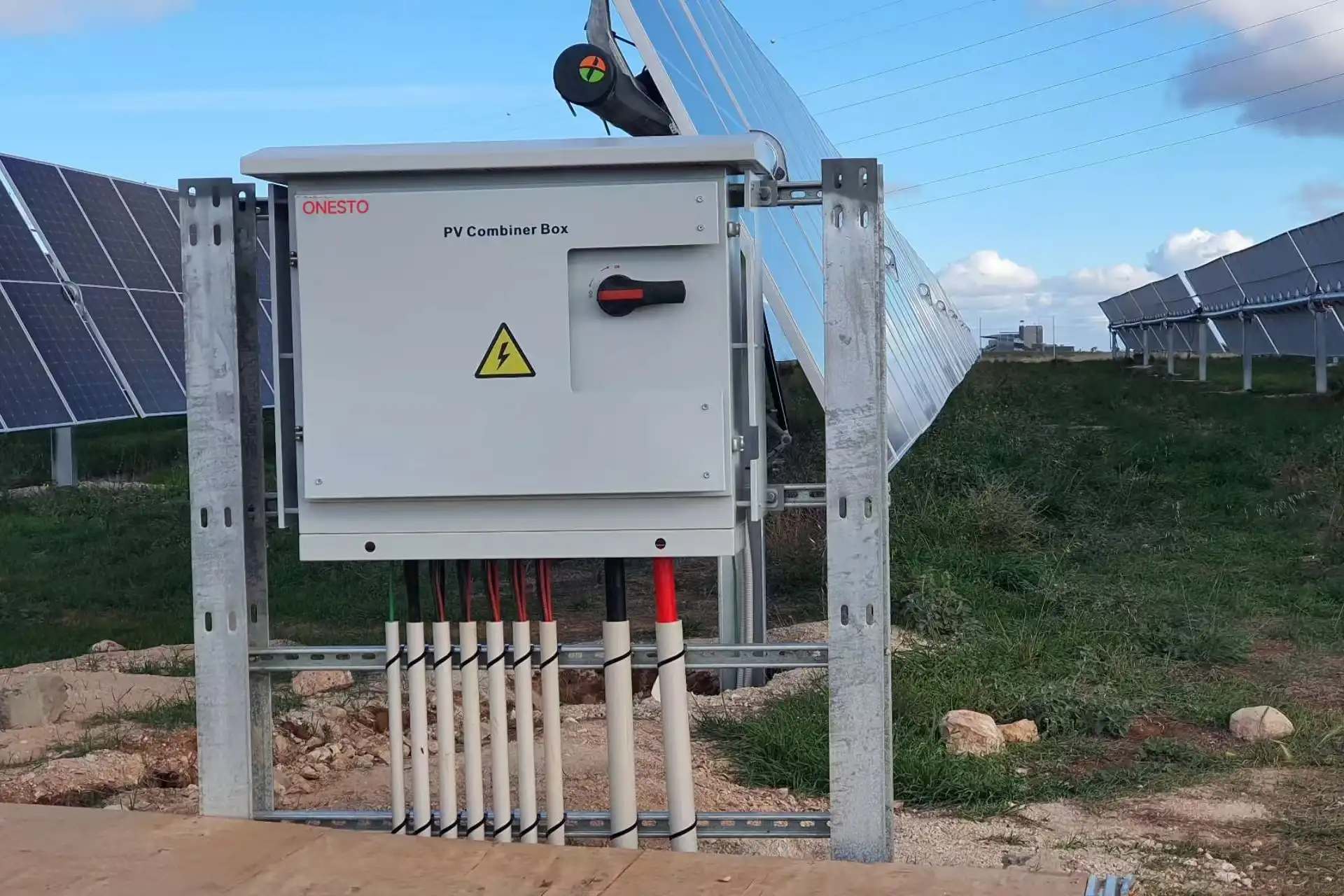
Click to get the solution for solar combiner box
Case 2: Installation of junction boxes in household wiring
During the decoration process of a family bedroom, an electrician uses multiple fireproof junction boxes inside the ceiling to distribute lighting and socket circuits reasonably. Hiding all connection points through junction boxes ensures safety and aesthetics, and facilitates positioning during later maintenance.
Summarize
By comparison, it can be found that there are significant differences between combiner boxes and junction boxes in terms of design intent, functional implementation, and usage environment. The former is suitable for high-power, DC, and multi group line convergence systems such as solar projects, while the latter is widely used for circuit wiring in homes, offices, and other environments.
Correctly distinguishing between the two and selecting and standardizing their use in practical engineering can not only improve the stability and efficiency of the system, but also effectively prevent electrical safety accidents.
FAQ