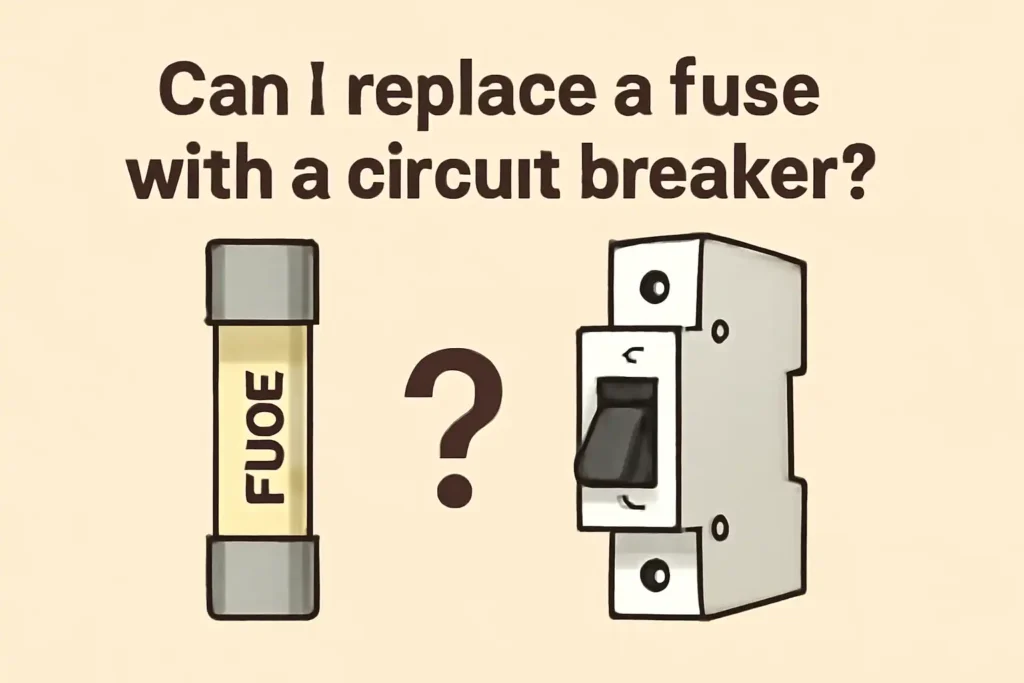
If you want to improve your home’s electrical system, circuit breakers replace fuses can help a lot. Circuit breakers are safer and easier to use, especially in homes with many modern devices. The Electrical Safety Foundation International (ESFI) says old or broken electrical parts can cause fires and other dangers. Using circuit breakers lowers these risks and ensures your system can handle today’s energy use. To do this, you need to replace the fuse panel with a circuit breaker panel. The better safety and reliability make it worth the cost.
Key Takeaways
- Circuit breakers are safer and simpler to use than fuses. You can reset them instead of replacing, saving time and money.
- Switching to circuit breakers makes homes safer. They lower fire risks and have features like arc-fault detection.
- Before changing fuses, check if your electrical system works with them. Older homes might need new wiring.
- Hiring a trained electrician ensures safe installation and fewer electrical problems.
- Circuit breakers cost more at first, but they save money over time and are very reliable.
Circuit Breakers Replace Fuses: Key Differences
How Fuses Work
Fuses are simple tools that protect circuits from too much current. They work by using heat. If too much electricity flows, the fuse’s metal melts. This stops the electricity and protects devices from damage or fires.
A fuse is like a one-time safety tool. Once it melts, you must replace it. Fuses are great for protecting delicate devices. For example:
- They stop too much electricity, saving electronic parts from harm.
- They lower fire risks caused by overheating wires.
Fuses are quick to react when there’s too much current. Their speed depends on how much extra electricity flows. But since they can only be used once, they are less handy for modern homes.
How Circuit Breakers Work
Circuit breakers are better than fuses for many homes. Instead of melting, they use a switch inside. When electricity gets too high, the breaker trips and stops the flow. You can reset it without replacing anything.
Circuit breakers are carefully designed to work well. They need proper care to stay reliable. Their timing is important to stop problems quickly. They also help reduce arc flashes, which are dangerous sparks during electrical issues.
Modern circuit breakers are grouped by how fast they trip, like B, C, or D types. These groups show how they handle different levels of extra electricity. This makes them useful for homes and big industries.
Comparing Safety and Efficiency
Circuit breakers are safer than fuses. They stop electricity before fires or other dangers happen. Unlike fuses, you can reuse circuit breakers, saving money over time.
Here’s a simple comparison of their safety and ease:
| Feature | Fuses | Circuit Breakers |
|---|---|---|
| Response Time | Fast, based on current levels | Adjustable, based on settings |
| Reusability | One-time use | Can be reset |
| Fire Protection | Lowers fire risks | Offers better safety |
| Convenience | Needs replacement | Easy to reset |
Circuit breakers are easier and safer to use. You don’t need tools to reset them, unlike fuses that need replacing. Fuses are cheaper and smaller but lack advanced safety. That’s why many people upgrade to circuit breakers. They meet the needs of today’s electrical systems.
Advantages of Circuit Breakers Over Fuses
Low-voltage-solution.webp)
Resetting vs. Replacing
Circuit breakers are much easier to use than fuses. When a circuit breaker trips, you just press a button to reset it. This is fast and doesn’t need tools or extra parts. Fuses, however, must be replaced completely when they blow. This can be annoying if you don’t have spare fuses at home.
With circuit breakers, you can check what caused the problem before resetting. This helps make sure the issue is fixed. Fuses are often replaced quickly, sometimes with the wrong type, which can be unsafe. Circuit breakers are easier to use, making them better for homes and businesses today.
Better Safety Features
Modern circuit breakers have advanced safety features that fuses don’t. These include:
- Arc-Fault Detection: Spots dangerous sparks to stop fires. For instance, if a device has a problem, the breaker shuts off power to prevent damage.
- Ground-Fault Protection: Stops shocks by detecting ground faults. If something like a hairdryer falls in water, the breaker cuts power right away.
- Overload Protection: Turns off circuits to stop overheating when too many devices are plugged in.
Circuit breakers meet important safety rules like ANSI and IEC standards. Some even have smart features to check problems in real time, making them more reliable and efficient.
Long-Lasting and Cost-Effective
Circuit breakers cost more at first but save money over time. You can reset them many times without needing to buy new ones. This is helpful in places with frequent electrical issues.
They can also handle bigger electrical problems than fuses. This makes them great for factories and power systems. Over time, their durability and reusability save money compared to buying new fuses repeatedly.
Challenges of Replacing Fuses with Circuit Breakers
Upfront Costs
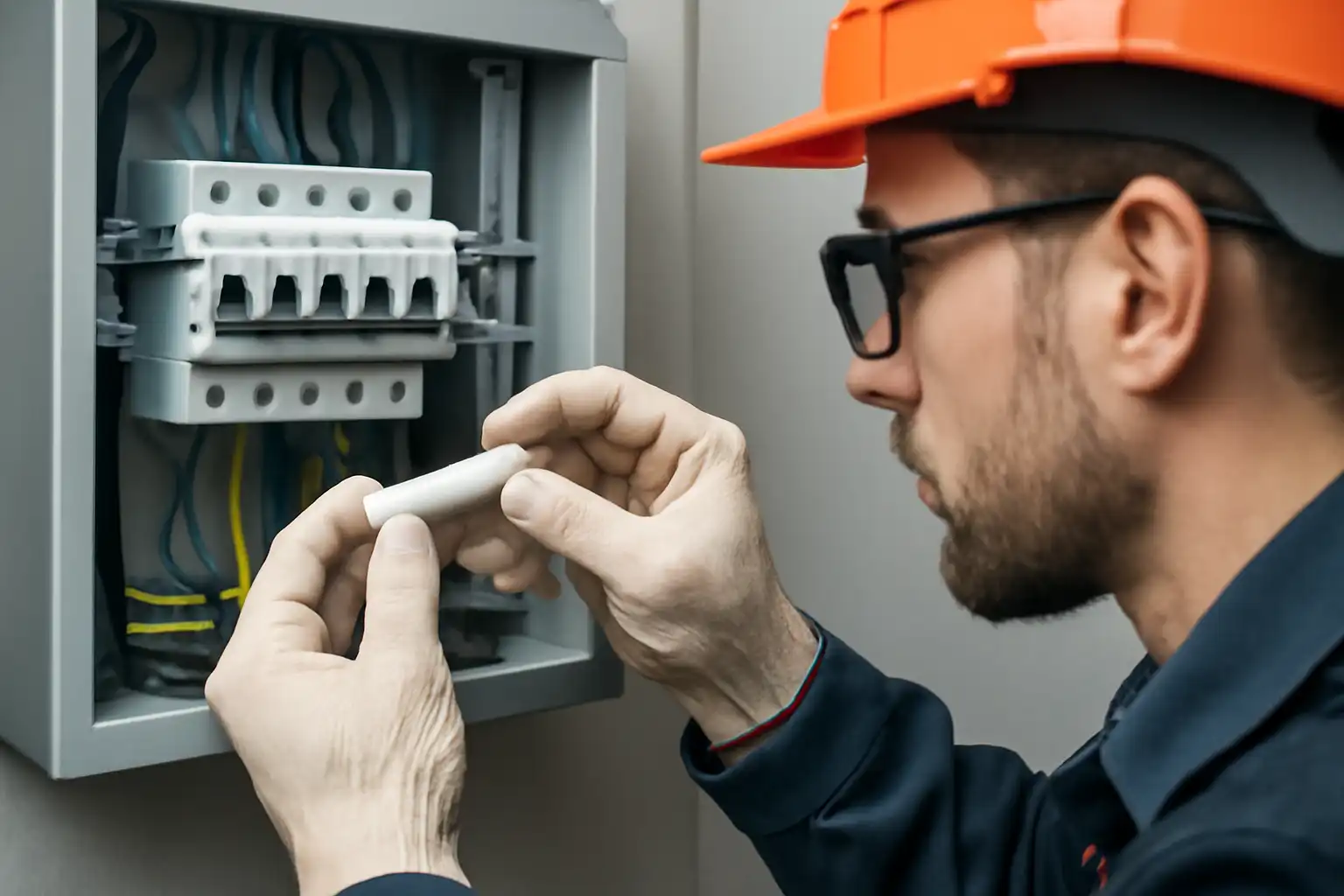
Switching to circuit breakers costs a lot at first. You must replace the fuse panel with a breaker panel. Buying new equipment can be expensive, depending on the panel size. Also, hiring a professional to install it adds to the cost.
Even though it’s pricey upfront, think about the future. Circuit breakers last longer and can be reused. Fuses need replacing often, which costs more over time. The money saved on repairs and replacements can make up for the initial expense.
Compatibility Issues
Not all homes can use circuit breakers easily. Older houses might have wiring that doesn’t meet today’s standards. Before switching, check if your system can handle a breaker panel.
Sometimes, you’ll need to upgrade your wiring or other parts. This makes the project harder and more expensive. A licensed electrician can help find problems and suggest the best fixes for your home.
Professional Installation Requirements
Replacing fuses with breakers isn’t a DIY job. It needs electrical knowledge and must follow safety rules. Professionals ensure the work is done safely and correctly.
Here are some important safety standards:
| Standard | What It Covers |
|---|---|
| UL 508A | Safe building of industrial control panels. |
| NEC (NFPA 70) | Rules for safe electrical system installation. |
| OSHA | Ensures electrical products are tested and labeled for safety. |
Hiring an expert ensures these rules are followed. It also lowers risks like fires or shocks. While it costs more, it keeps your home and family safe.
Steps to Replace a Fuse with a Circuit Breaker
Checking Your Electrical System
Before switching fuses to circuit breakers, check your electrical system. This ensures your home’s wiring can handle the upgrade. Start by looking at the age and condition of your fuse panel. Older panels might not meet today’s safety rules, causing problems. Watch for worn-out wires or discoloration near the panel.
Regular inspections show the system’s current state but not future issues. Tools that monitor conditions can spot problems early. These tools give real-time updates, so you don’t need frequent checks. They help you decide when to replace big parts like fuse panels.
If you’re unsure about your system, ask an electrician for help. They can check your wiring, panel size, and if it works with circuit breakers. This step is important to avoid risks and make the upgrade smooth.
Picking the Right Circuit Breaker Panel
Choosing the right circuit breaker panel is key for success. First, figure out how much power your home needs. Think about the devices and appliances you use daily. If you plan to add more gadgets later, pick a panel with extra capacity.
Modern panels come in different sizes and designs. Look for ones that meet safety rules like UL 508A or NEC (NFPA 70). These ensure the panel can safely handle electricity. Some panels also have features like arc-fault and ground-fault protection for added safety.
If your home has old wiring, you might need extra parts like extension cables. Make sure the panel works with your current system. An electrician can help you choose the best panel for your home.
Overview of the Replacement Process
Switching from a fuse panel to a circuit breaker panel involves several steps. Here’s a simple guide:
- Check Power Needs: Add up your home’s total electricity use. Pick a panel that fits both current and future needs.
- Install the New Panel: Secure the new panel in place. Carefully disconnect the old fuse panel to avoid damaging wires.
- Fix Wiring Problems: If wires are too short, use extension cables to connect them.
- Remove the Old Panel: Turn off the main power before taking out the fuse panel. This keeps you safe during the work.
- Test the Circuits: After installing the new panel, test each circuit to ensure everything works.
Though this seems simple, it needs expert skills. Hiring a professional ensures the job follows safety rules and avoids mistakes. Doing it yourself can be dangerous and cause shocks or fires.
Tip: Always turn off the main power before starting electrical work. Use insulated tools and follow local codes to stay safe.
Replacing fuses with circuit breakers is a big improvement. It offers better safety, ease of use, and efficiency for modern homes.
When to Hire an Electrician
Switching fuses to circuit breakers can be tricky. Some homeowners might handle small electrical tasks, but bigger jobs need a licensed electrician. Knowing when to call one can save trouble and keep you safe.
1. If You Don’t Know Much About Electricity
Electrical systems are complicated and need proper knowledge. If you don’t understand wiring or safety rules, mistakes can happen. Wrong wiring or bad installation might cause fires or power problems. Electricians make sure the work is done safely and correctly.
2. If Your Home Is Old
Older homes often have outdated wiring that isn’t safe today. If your house is very old, the wiring might not work with a circuit breaker panel. An electrician can check your system and suggest upgrades. This ensures your home can safely use the new panel.
3. If You See Warning Signs
Some problems mean your electrical system needs help. These include:
- Fuses blowing or breakers tripping often.
- Lights flickering or outlets not working.
- Burn smells or burn marks near the fuse panel.
These signs show serious issues that need fixing. An electrician can find and solve these problems while installing the new panel.
4. To Follow Local Rules
Electrical work must meet local safety rules. These rules can be hard to understand without training. Licensed electricians know these rules and make sure your system follows them. This is important if you plan to sell your home later. Breaking rules can cause legal or money problems.
5. For Advanced Panels
Modern circuit breaker panels have special features like arc-fault and ground-fault protection. Installing these needs special tools and skills. Electricians can install them properly so everything works well.
Tip: Even if you’re good at DIY, ask an electrician to check first. They can spot problems and give advice.
Hiring an electrician makes the process safe and smooth. It costs more, but it’s worth it for safety and long-term benefits.
Safety Tips for Electrical Upgrades
Turning Off Power
Always turn off power before starting electrical work. This stops shocks and keeps you safe. Find your home’s main panel and switch off the breaker for the area. If unsure, turn off the main power supply to be safe.
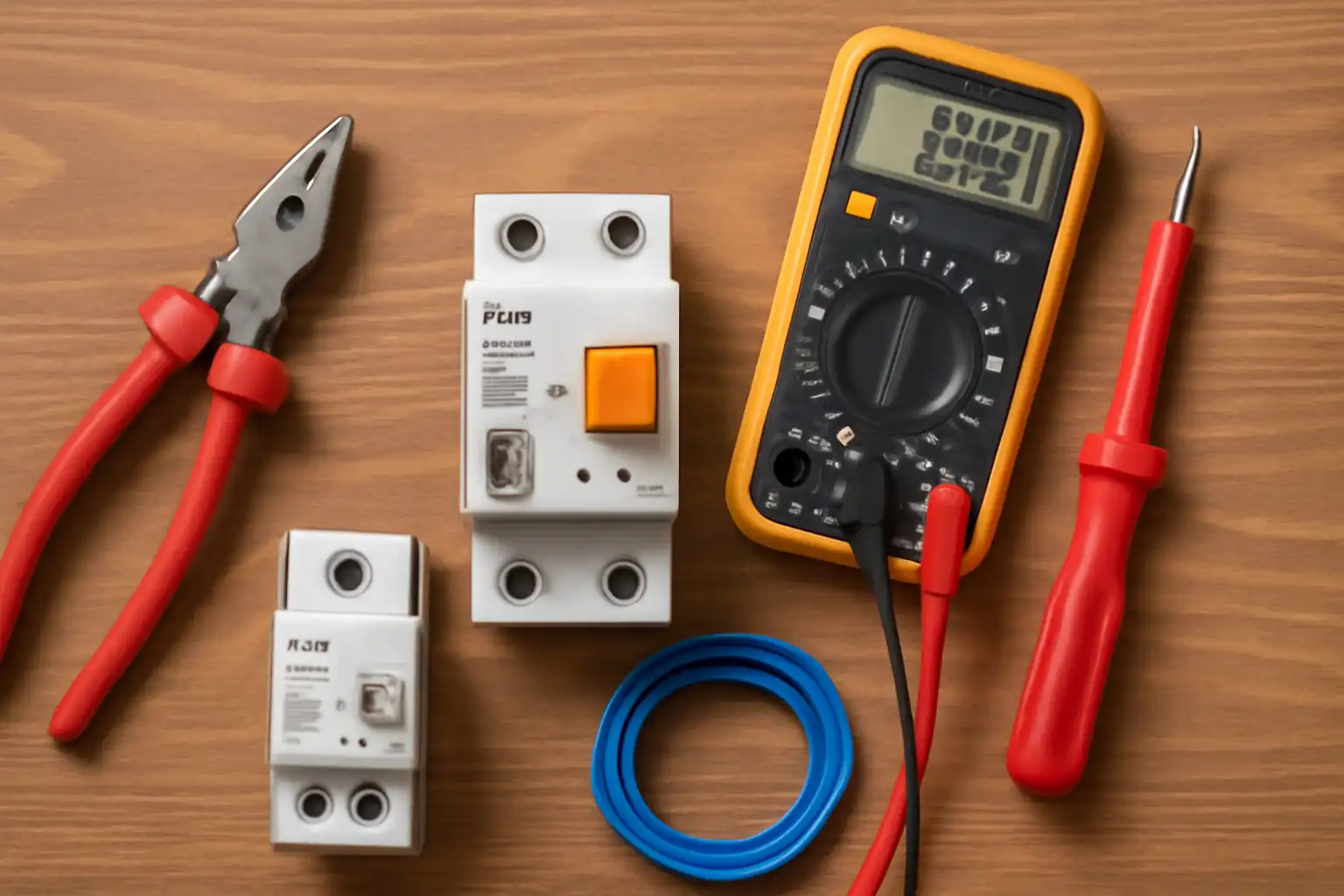
After shutting off power, use a voltage tester to check wires. Make sure no electricity is flowing. Never skip this step, even if you think the power is off. Mistakes can cause serious harm.
Tip: Label breakers to quickly find the right one later.
Using the Right Tools
Proper tools make electrical work safer and easier. Insulated tools like pliers and screwdrivers protect against shocks. Voltage testers check if wires are live. Wire cutters and strippers help handle wires safely.
Don’t use broken or worn-out tools. Check your tools before starting. Good-quality tools cost more but last longer and work better.
Note: Keep tools organized nearby to avoid wasting time.
Following Local Rules
Electrical work must follow local rules for safety. These rules prevent dangers like fires or shocks. Breaking them can lead to fines or failed inspections.
Digital tools now help track safety rules. They give real-time updates and make following regulations easier.
| Old Methods | Modern Digital Tools |
|---|---|
| Manual Data Collection | Automatic Data Collection |
| No Real-Time Updates | IoT-Based Monitoring |
| Hard to Track Rules | Cloud Compliance Tracking |
| Limited Insights | Digital Dashboards and Analytics |
Hiring a licensed electrician ensures your project follows the rules. They know the latest regulations and can guide you.
Reminder: Check local codes before starting any electrical work.
Switching fuses to circuit breakers improves your home’s electricity. Circuit breakers are safer, easier, and save money over time. They cost more upfront and need expert installation. But the benefits are worth it. You get a safer system that handles modern energy needs. Always focus on safety when upgrading. For hard tasks, ask an electrician for help. This keeps your home safe and updated.
FAQ
What is the main benefit of switching to circuit breakers?
Circuit breakers can be reused. When they trip, you reset them instead of buying new ones. This saves both time and money. They also have safety features like arc-fault and ground-fault detection. These features help prevent fires and electrical shocks.
What tools do you need for replacing a fuse panel?
You need insulated tools such as pliers, screwdrivers, and wire cutters. A voltage tester checks if wires are safe to touch. Using good tools makes the upgrade safer and easier.
Tip: Always inspect your tools for damage before starting work.
What should you check before replacing fuses with circuit breakers?
Check your electrical system to see if it’s compatible. Look for old wires or outdated panels. Make sure your home’s wiring meets current standards. If you’re unsure, ask an electrician for advice.
What happens if you install the wrong circuit breaker panel?
An incorrect panel can cause electrical issues. It might overload circuits or fail to protect your system. This could lead to fires or damage. Always pick a panel that fits your home’s power needs.
Why should you hire an electrician for this upgrade?
Electricians make sure the installation is safe. They follow local rules and check for wiring problems. Their skills prevent mistakes that could cause shocks or fires. Hiring a professional ensures the upgrade is done correctly.
Reminder: Complex electrical work should be done by licensed experts.
The following information may be of interest to you
What are fuses in electrical systems?
What is the difference between a circuit breaker and a fuse?
How to replace the circuit breaker correctly
Can I replace a 15 amp breaker with a 20 amp?