

A 100mA residual current device helps prevent fires from electrical faults. It is very useful in factories and outdoor areas. These places often have higher leakage currents. The device quickly shuts off faulty circuits to stop fires. Rules like PN-HD 60364-4-42 show why these devices matter. They suggest using RCDs with 100mA or lower sensitivity for fire safety. Picking the right sensitivity keeps your equipment safe and protects your area.
Key Takeaways
- A 100mA RCD helps stop fires in risky places like factories or outdoors.
- Pick the correct RCD for your area: 30mA for homes, 100mA for factories.
- Test your RCD every three months to make sure it works well.
- Follow local rules when setting up RCDs to stay safe and avoid trouble.
- Ask a licensed electrician to install it for proper use and safety.
Understanding residual current devices
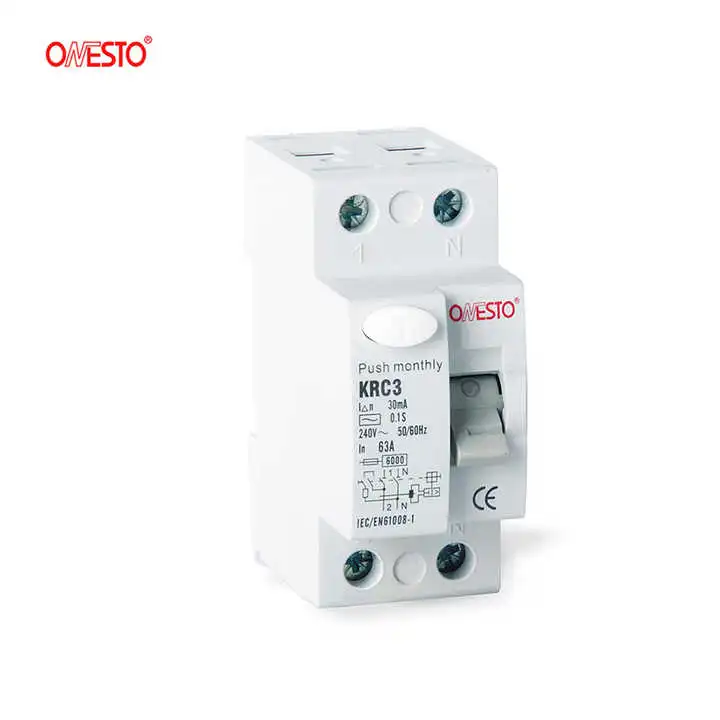
What is a residual current device?
A residual current device (RCD) is a tool that keeps you safe from electrical dangers. It checks the flow of electricity in a circuit and shuts off power if it finds a leakage. Leakage happens when electricity escapes to the ground because of broken wires or bad equipment. By turning off the power, an RCD stops electric shocks and lowers the chance of fires caused by electrical problems.
RCDs are used in homes, offices, and factories. They are a key part of modern electrical setups. These devices cut off power automatically when they find a problem. They also have test buttons so you can check if they work properly.
How RCDs work to detect leakage currents
RCDs watch the balance of electricity between live and neutral wires. Normally, the current going into the circuit matches the current coming back. If there’s a fault, some current leaks out, causing an imbalance called residual current.
Here’s how it works:
- A sensor spots differences in current between live and neutral wires.
- A signal conditioning unit adjusts the signal for better accuracy.
- The device reads this data and shuts off the circuit if leakage is found.
| Component | What It Does |
|---|---|
| Sensor | Finds magnetic signals from current imbalances. |
| Signal Conditioning | Makes the signal clearer for better detection. |
| Data Processing | Checks the current difference and disconnects power if needed. |
| Transmission | Sends information for tracking or further checks. |
This system catches even small leaks, keeping you and your belongings safe.
Types of RCDs and their sensitivity ratings
RCDs come in different types for different jobs. Their sensitivity, measured in milliamperes (mA), shows how fast they react to leaks. Here’s a simple chart comparing common sensitivity levels:
| Tripping Current (IΔn) | Tripping Time (ms) |
|---|---|
| 30mA | 300ms |
| 60mA | 150ms |
| 150mA | 40ms |
- 30mA RCDs: These react quickly to stop electric shocks. They are best for homes.
- 100mA RCDs: These react slower and are used in factories or outdoor areas to stop fires.
- 300mA RCDs: These protect equipment in big setups like industrial buildings.
Each type has a special use. Pick the right one based on your needs and location.
Applications of 100mA Residual Current Devices
Industrial and Commercial Settings
100mA residual current devices are common in factories and businesses. These places need strong protection because of complex electrical systems. The device spots electrical problems fast and shuts off circuits. This helps keep workers safe around heavy machines or delicate tools.
In businesses, the device also stops overloads and short circuits. These problems can break equipment or stop work. Modern features like remote checks make it great for today’s setups. Its quick action against faults keeps workplaces safer and running smoothly.
Outdoor and Agricultural Environments
Outdoor and farm areas have special electrical risks. Wet weather, dirt, and storms can cause more electrical problems. A 100mA device finds leaks that might start fires and stops them.
For example, farms use these devices to protect water pumps, grain storage, or animal pens. Long cables and outdoor exposure often cause higher leakage currents. The device fixes problems fast, keeping equipment safe and animals unharmed.
Fire Prevention in Electrical Systems
Stopping fires is a big reason to use a 100mA device. Electrical problems like bad wires or broken insulation can cause leaks. These leaks create heat, which might start a fire. The device cuts power before things get worse, lowering fire risks.
Use this device in places where fire safety matters, like warehouses or workshops. It works well in areas with tricky electrical setups. Picking the right device protects your property and the people who rely on it.
Safety standards for 100mA RCDs
Regulatory requirements for 100mA RCDs
Rules must be followed when using a 100mA residual current device. These devices are needed in places where stopping fires is crucial. Standards like IEC 60364 explain how RCDs help with fire safety. They suggest using 100mA sensitivity in areas with more leakage currents, like factories or outdoor spaces. These rules make sure the device acts fast to stop overheating and fires.
Local rules may add extra requirements. Some areas need 100mA RCDs in farms or storage buildings. Always check your local rules before setting up the device. Knowing these rules avoids fines and keeps your property safe.
Guidelines for selecting the appropriate RCD rating
Pick the right RCD based on your location and safety needs. A 100mA residual current device is good for stopping fires, not shocks. It works well for big machines or circuits with higher leakage currents.
To choose the right rating, check your electrical load and risks. Use a 30mA RCD for homes or offices to prevent shocks. Choose a 100mA RCD for factories or outdoor areas with fire risks. If unsure, ask an electrician. They can help you decide which device fits your needs.
Importance of compliance with local electrical codes
Follow local electrical rules when installing a 100mA residual current device. These rules protect you, your property, and others using the system. Breaking the rules can cause fines, legal trouble, or accidents.
Electrical rules say where and how to use RCDs. For example, they may require 100mA devices in outdoor areas or places with flammable items. Following these rules makes your setup safer and more reliable.
Tip: Always hire a trained electrician to install your RCDs. They know the rules and will ensure everything is done correctly.
Comparing 100mA RCDs to other ratings
Key differences between 100mA, 30mA, and 10mA RCDs
Residual current devices (RCDs) have different sensitivity levels for specific tasks. The main difference is how much leakage current they detect before shutting off power. A 100mA RCD is less sensitive than 30mA and 10mA RCDs. It focuses on stopping fires caused by larger leaks, making it great for factories or outdoor areas.
On the other hand, 30mA RCDs are more sensitive and act faster. They are often used in homes to protect people from electric shocks. Meanwhile, 10mA RCDs are the most sensitive. They are made for special uses where even tiny leaks can be dangerous, like in medical tools or precise industrial machines.
| RCD Rating | Sensitivity Level | Primary Use Case |
|---|---|---|
| 100mA | Low | Fire prevention in industrial areas |
| 30mA | Medium | Personal safety in homes |
| 10mA | High | Specialized environments |
Knowing these differences helps you pick the right RCD for your needs.
When to use 30mA RCDs for personal safety
Use 30mA RCDs where protecting people from shocks is important. These devices work well in homes, especially in kitchens, bathrooms, and outdoor plugs. They find small leaks that could hurt you if you touch a live wire or broken device.
For example, using a garden tool with a fault can be risky. A 30mA RCD will shut off power quickly to keep you safe. Many rules require 30mA RCDs in homes and offices for safety. Installing them makes your home safer for family and guests.
Tip: Press the test button on your 30mA RCD often to check if it works.
Specialized uses for 10mA RCDs
A 10mA RCD is made for places where even tiny leaks can cause big problems. Hospitals use these devices to protect sensitive medical machines. For example, they keep life-support tools and diagnostic equipment running safely.
In factories, 10mA RCDs stop electrical risks in precise manufacturing. Industries like car-making and electronics rely on them to avoid delays and protect workers. Electric vehicle charging stations also use 10mA RCDs for safe charging, especially at high-capacity spots.
Using a 10mA RCD in these special places prevents accidents, saves equipment, and keeps work running smoothly.
Choosing the right RCD for your needs
Checking your environment and equipment
Picking the right RCD starts with knowing your surroundings. Different places have different electrical risks. For example, outdoor areas deal with wet conditions and dirt. Factories handle big machines and complex systems. Look at these factors to decide the protection you need.
Think about the equipment on the circuit. Tools like large motors or outdoor devices may need a 100mA RCD to stop fires. In homes or offices, sensitive devices might need a 30mA RCD to prevent shocks. By checking your environment and equipment, you can pick the right RCD for your safety.
Balancing safety and daily needs
Safety is the most important part of choosing an RCD, but daily use matters too. A 100mA RCD works well in places with higher leakage currents, like farms or factories. It helps stop fires but isn’t ideal for homes needing shock protection.
Think about how the RCD affects your work. In a workshop, a very sensitive RCD might trip too often and slow you down. A 100mA RCD can prevent fires without causing too many stops. Choose an RCD that keeps you safe and lets you work smoothly.
Getting help from experts for installation
Installing an RCD the right way is very important. Experts make sure the RCD fits the circuit it protects. They follow the maker’s instructions and check the wiring. They also ensure it meets local safety rules.
RCDs find problems that regular breakers might miss. This helps avoid injuries and damage. Hiring a pro ensures your RCD works properly and keeps your system safe.
Tip: Always hire a licensed electrician to install your RCD. They’ll make sure it’s safe and works well.
A 100mA residual current device helps stop fires and protect equipment. It is useful in places like factories or outdoor areas. Knowing its uses and how it differs from other RCDs is important. Following safety rules and local codes keeps your setup safe and legal. Always ask an expert to install it for the best safety and performance.
FAQ
1. What is the main purpose of a 100mA RCD?
A 100mA RCD helps stop fires from electrical problems. It finds leakage currents and turns off power before overheating starts. This makes it useful in factories, farms, or outdoor areas with higher fire risks.
Tip: Use a 100mA RCD for big machines or outdoor setups.
2. Can a 100mA RCD protect against electric shocks?
No, a 100mA RCD does not protect people from shocks. It is made to prevent fires. For shock safety, use a 30mA RCD. It reacts faster to small leaks and keeps people safe.
3. Where should you install a 100mA RCD?
Put a 100mA RCD in places with more leakage currents. These include factories, farms, or outdoor areas. These spots often have complex systems or weather exposure, which can raise fire risks.
4. How often should you test a 100mA RCD?
Test your 100mA RCD every three months. Press the test button to check if it works. Regular testing keeps the device reliable and ready to protect.
Note: Follow the maker’s instructions for testing times.
5. What happens if a 100mA RCD trips frequently?
Frequent tripping means there might be a problem in your system. Look for broken wires, bad devices, or too much leakage current. If it keeps happening, call an electrician to fix it.
Alert: Don’t ignore frequent trips. They could mean safety issues.
The following information may be of interest to you
5 basic components required for each distribution board
Residual Current Circuit Breaker (RCD) and Leakage Protection