You may notice that your afci breaker feels warm to the touch. This heat comes from the way the breaker works. Many homeowners worry when they feel this warmth. Some think it might damage wiring or affect how the breaker works. Others wonder if the breaker can still prevent electrical fires. The afci breaker monitors electrical currents and interrupts circuits if it detects arcing. Because it works all the time, a bit of heat is normal. Knowing these facts can help you feel more confident about your home’s safety.
Key Takeaways
- AFCI breakers get warm when they work because of their parts. This heat is normal and should not worry you.
- Check your AFCI breaker often for too much heat or burning smells. If you feel it is too hot, call an electrician right away.
- Leave space between AFCI breakers in the panel to stop them from getting too hot. Make sure wires are tight and not broken to keep things safe.
- You can use tools like an infrared thermometer to check the breaker’s heat. Finding problems early can help protect your home.
- AFCI breakers help stop electrical fires by finding arc faults. They turn off the circuit when needed to keep you safe.
Why AFCI Breakers Get Warm

Internal Components
You might ask why an afci breaker feels warm. The reason is inside the breaker. Afci breakers have more electronic parts than regular breakers. These parts help the breaker look for dangerous arcs in wires. Any device with electronics will make some heat. Inside an afci breaker, there is a small board and sensors. These work all the time, even if you use little electricity.
- The board inside the breaker uses power to check for trouble.
- Sensors and chips inside also use energy.
- All this work makes heat, which you can feel if you touch the breaker.
This heat is normal for how the breaker works. You do not need to worry if you feel a little warmth.
Electrical Flow
How electricity moves through the afci breaker also makes heat. Even if nothing is plugged in, the breaker uses a bit of power. The neutral wire brings electricity to the board inside the breaker. This board keeps working and checks for problems.
Sometimes, resistance in the wires can make the breaker warmer. Loose or high-resistance wires can cause more heat than normal. New electronics in your house can make extra currents called harmonics. These can make the neutral wire carry more current, which adds heat.
Note: Afci breakers do not stop all types of overheating. High resistance or loose wires can still make extra heat. If you ever feel a breaker that is very hot or smells burnt, call an electrician.
Normal AFCI Temperatures
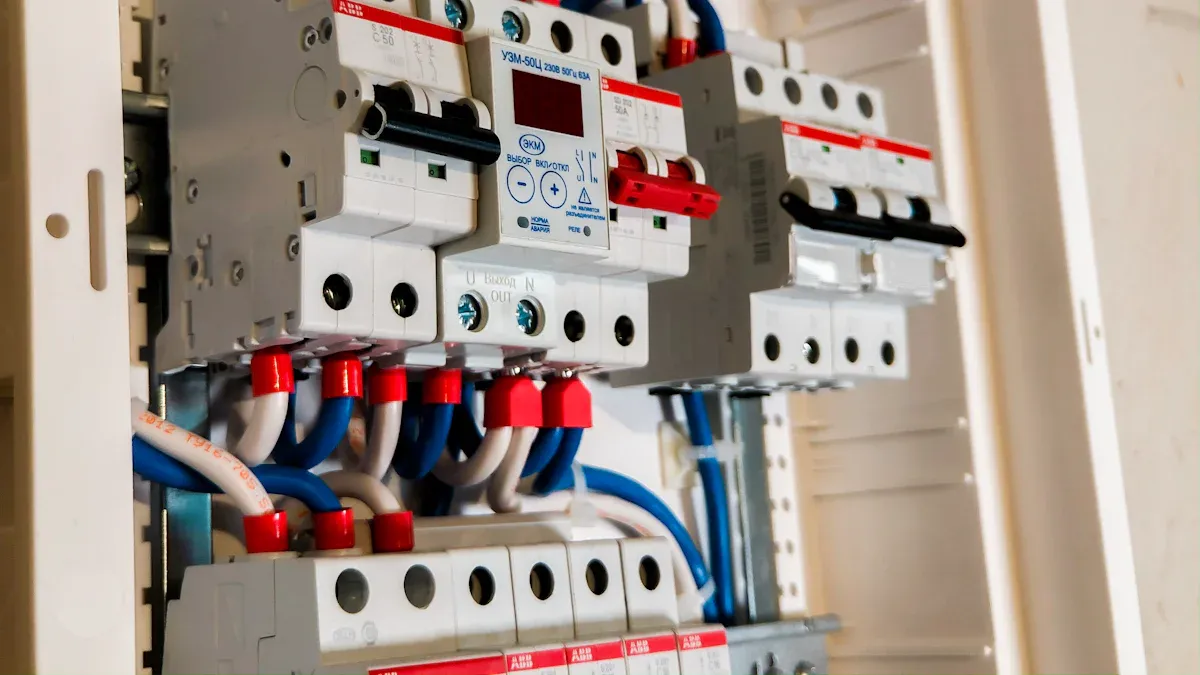
Typical Range
You might ask what temperature is normal for an afci breaker. In most homes, afci breakers get warmer than regular circuit breakers. Usually, afci breakers run about 20º F hotter. For example, if your panel is 73º F, your afci breaker could be 100º F. This is normal, even if you are not using much electricity.
Tip: You can use an AFCI/GFCI outlet tester or a circuit analyzer. These tools help you check the temperature and wiring of your breakers. They help you find problems early and keep your home safe.
Industry rules say how hot breakers can get. The table below shows the highest temperature allowed for each part:
| Component | Maximum Temperature Rise |
|---|---|
| Standard Rated Breakers | 122°F |
| 100% Rated Breakers | 140°F |
| User Surfaces (Metallic) | 140°F |
| User Surfaces (Nonmetallic) | 185°F |
Comparison to Standard Breakers
Standard circuit breakers feel cooler than afci breakers. Most standard breakers stay between 60º F and 80º F in homes. Afci breakers have extra electronics, so they get hotter. This happens because sensors and chips inside work all the time.
Manufacturers give tips to help you stop too much heat. Do not put afci breakers close together in a tight panel. This stops heat from building up. Also, check that wires are not bent, broken, or loose. These problems can make more heat and cause arcing.
- Keep afci breakers apart in the panel.
- Look for damaged or loose wires.
- Use the right tools to test your breakers and wires.
Both afci and standard breakers must follow safety rules from U.L. These rules make sure breakers work safely, even if they feel warm.
Safety and Performance
Built-in Protections
You might ask how your afci breaker stays safe. These breakers have safety features built in. They help stop overheating and electrical fires. The table below explains what each feature does and how it works:
| Safety Feature | Functionality | Key Features |
|---|---|---|
| Overload Protection | Stops overheating by tripping when the load is too high | – Thermal trip: A metal strip bends with too much current and makes the breaker trip. – Adjustable settings: You can change the trip level for your needs. |
| Arc Fault Protection | Finds and stops dangerous arcs that can start fires | – Arc Fault Circuit Interrupter (AFCI): Trips the breaker if it finds arcing. – Advanced sensing: Tells safe arcs from unsafe ones. |
These features make sure heat from an afci breaker does not hurt other breakers. They also stop safety problems during normal use. The breaker will trip if it senses too much heat or a bad arc.
When to Worry
Most of the time, a warm breaker is normal. But you should know what signs show a problem. The table below lists what to watch for if you think there is too much heat:
| Sign of Excessive Heat | Description |
|---|---|
| Overheating | The breaker feels much hotter than others or gives off heat. |
| Burning Smells | You smell something burning near the panel. |
| Visible Damage | The breaker looks burned or has damage you can see. |
If you notice any of these signs, act fast. Other warning signs are flickering lights, buzzing sounds from outlets, breakers that trip often, or hot outlets and switch plates. These can mean bad connections, too much power, or broken breakers. Old age, wrong appliances, and dampness can also cause extra heat.
Tip: Check your breaker box often to find problems early. Look at it and keep it clean and cool. If you are unsure or see warning signs, call an electrician. Do not ignore burning smells or damage you can see.
Afcis almost never fail from getting too hot, but problems at the panel connection can raise risk. Always check how your breakers feel and look. Acting quickly keeps your home safe.
You now know three important facts about breaker heat. First, breakers do generate heat during normal use. Second, this warmth is expected and does not mean there is a problem. Third, the heat is usually not a safety concern.
- AFCI breakers detect arc faults and stop current almost instantly, which helps prevent dangerous heat buildup.
- These breakers monitor for signs of arcing and heat changes all the time, so they can respond quickly to hazards.
You should check your panel for unusual heat or burning smells. If you notice anything strange, contact an electrician for help.
FAQ
What should you do if your AFCI breaker feels hot?
You should touch the breaker gently. If it feels much hotter than others or smells burnt, call an electrician. A little warmth is normal, but too much heat can mean a problem.
What does it mean if your AFCI breaker trips often?
Frequent tripping means the breaker detects unsafe conditions. You may have faulty wiring, damaged appliances, or loose connections. You should ask a licensed electrician to check your system.
What is the difference between AFCI and standard breakers?
AFCI breakers watch for dangerous arcs that can cause fires. Standard breakers only protect against too much current. AFCI breakers use sensors and electronics, so they feel warmer than standard ones.
What signs show your breaker might be unsafe?
Look for burning smells, visible damage, or a breaker that feels much hotter than others. Flickering lights or buzzing sounds can also warn you about trouble. If you notice these, get help right away.
What tools help you check your AFCI breaker’s temperature?
You can use an infrared thermometer or a circuit analyzer. These tools help you measure heat and find wiring problems. They keep your home safe by spotting issues early.
See also
What Happens to the Human Body at 20mA Electric Shock
How to Identify Arc Faults in Circuit Breakers for Home Safety
How to determine if the AFCI circuit breaker is damaged?
How to Identify Arc Fault Locations Step by Step
What You Need to Know About Arc Faults and Fire Hazards