
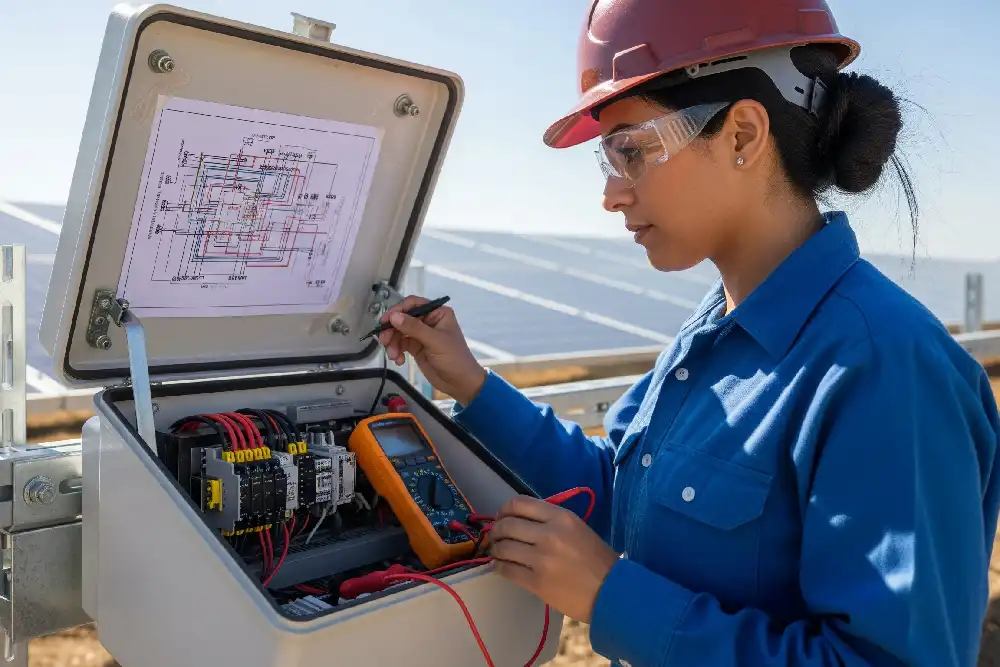
Taking care of your solar combiner box keeps your solar power system safe from sudden problems. Checking it often helps you find loose wires, old fuses, or bad circuit breakers before they get worse. Cleaning out dust and looking at surge protection devices helps your system work well and stay safe. Doing these things can help your equipment last longer, sometimes up to 25 years. Professionals and smart homeowners both do these steps. Using a simple checklist helps your system stay strong and work well.
Key Takeaways
- Check your solar combiner box every six months. This helps you find problems early and keeps things safe.
- Turn off the power before you work on the combiner box. Wear safety gear to stop accidents from happening.
- Use a checklist for maintenance jobs. This helps your solar system work well and follow safety rules.
- Write down what you see during inspections. This helps you notice changes and show you follow safety rules.
- Call a professional if you see warning signs. Look for melted wires or strange sounds to keep your system safe.
Why Maintenance Matters
Safety
When you take care of your solar combiner box, you keep yourself and your things safe. If you do not check it, bad things can happen.
- You might get shocked if cables are rusty, wires are loose, or grounding is not done right.
- Fires can start if wires lose their covering and cause arc faults.
- Arc flash can hurt you if you open a live box, especially in big solar setups.
Tip: Always turn off the power before opening the box. Wear safety gear to stay safe.
Efficiency
Checking your solar system often helps it work better. You can find problems early and fix them before they waste energy.
- If you see insulation problems, you can spot damage, water, or wear that makes your system less reliable.
- Stopping electrical faults keeps your system working well and stops power loss.
When you check your solar combiner box a lot, you make sure all parts work right. This helps you get more power from your panels and save money.
Compliance
You need to follow rules and standards when you check and fix your solar combiner box. These rules keep your system safe and legal. Here are some important codes and what they mean:
| Compliance Standard | Description |
|---|---|
| IEC/UL Overcurrent Standards | Fuses or breakers must be tested under these standards. |
| IEC 61643 | Surge Protective Devices (SPDs) must comply with this. |
| NEC 690 | DC disconnect switch must meet this code. |
| UL 1741 and NEC 690 | Grounding and bonding requirements. |
| UL94 | Fire-resistant materials must meet this rating. |
| IP65 / IP66 | Protection against dust and water ingress. |
| NEMA 3R / 4X | Outdoor enclosure ratings in the U.S. |
Note: Following these rules helps you avoid fines and keeps your solar system approved.
Solar Combiner Box Inspection
Visual Check
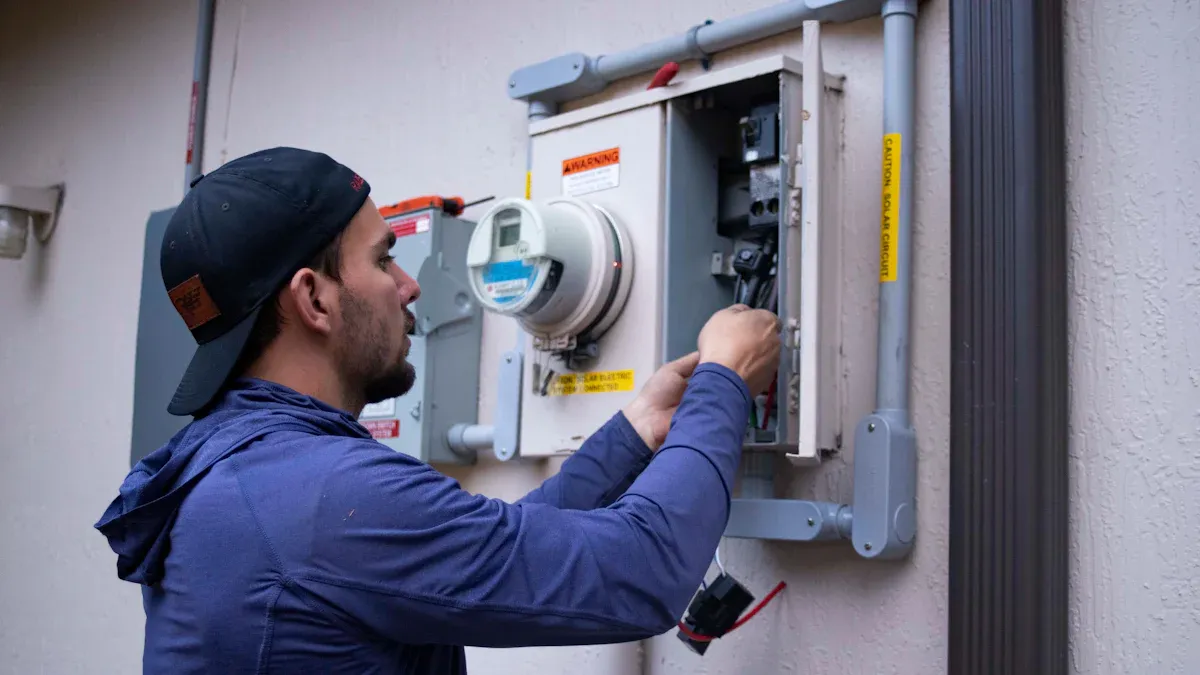
Begin by looking at the solar combiner box carefully. Try to find anything that looks wrong before it gets worse. Use your eyes and a flashlight to help you see better. Look for:
- Spots inside or outside the box that look burned or dark
- Backsheet that looks like it is bubbling or peeling
- Burn marks or melted plastic close to wires or fuses
- Cracks or broken pieces on the box or its cover
- Signs of too much heat, like a burnt smell or bent parts
- Rust on metal pieces or screws
- Seals around the door or cables that look damaged
If you notice any of these things, fix them as soon as you can. Burn marks or melted spots mean wires might be too hot. Rust or broken seals can let water inside, which causes more problems.
Structural Integrity
Check if the solar combiner box is strong and steady. Make sure it is tightly attached to the wall or rack. The door should open and close without any trouble. Hinges should not be loose. Look for cracks or dents in the box. If you see any, the box might not keep the electrical parts safe.
See if there is enough space in the box for future upgrades. If you want to add more solar panels, the box needs room for extra wires and breakers.
Moisture and Corrosion
Water and humidity can cause big trouble in a solar combiner box. Even a small leak can make rust, short circuits, or fires happen. Look for water stains, rust, or white powder on metal parts. Check the bottom of the box for puddles or wet spots.
Here is what moisture can do to your system:
| Effect | Description |
|---|---|
| Increased electrical conductivity | High humidity can make electricity leak, wasting energy and making things unsafe. |
| Reduced insulation resistance | Water can get into insulation and cause electrical problems. |
| Corrosion of metal components | Rust makes metal weak and raises electrical resistance. |
| Condensation issues | Water drops can form and cause short-circuits or fires. |
If you see water or rust, dry the area and fix the leak. Change any rusty or broken parts to keep your system safe.
Labeling and Codes
Good labeling helps you and others stay safe when working on the solar combiner box. Labels also help you follow the National Electrical Code (NEC). Make sure every label is easy to read and in the right spot. Check that labels are not faded or peeling off.
Here are some important labeling rules:
| Article | Requirement |
|---|---|
| 690.35(F) | Label the PV power source at the junction box, combiner box, or disconnect where energized. |
| 110.27(C) | Put a label to show guarded places with live parts. |
| 690.17(E) | Add a warning label if disconnect terminals may be energized in the open position. |
| 110.21 | Use labels that can handle the place where they are put. |
| 690.31(B)(1-4) | Mark and group wires with color codes, tags, or tape. |
| NEC 2014 | Use a label that says: WARNING: PHOTOVOLTAIC POWER SOURCE, with white letters on red. |
Check that the wires match the labels. Look for melted or burned wires and make sure each wire is in the right place. If you want to grow your system, check that the combiner box can hold more wires and breakers.
Tip: Good labels and regular checks help you avoid mistakes and keep your solar system safe and legal.
Electrical Checks
Connections Tightness
Check every connection inside the solar combiner box. Loose or rusty connections can cause big trouble. Wires that are not tight can get hot and start a fire. Watch for these common problems when you check:
- Loose or rusty connections
- Broken or blown fuses
- MC4 connector problems
- Water leaks and wet spots
- Hot spots and heat damage
- Bad surge protection devices (SPDs)
- Grounding and bonding problems
If you do not tighten connections enough, they can get loose. Loose connections make resistance and heat. This can cause a fire. Always use a torque screwdriver to tighten connections the right way.
Here is how to make sure your connections are tight:
- Take off about half an inch of insulation from each wire.
- Put the wire in the terminal and tighten the screw to the right torque.
- Do not just use your hand. Always use a torque screwdriver for best results.
Check every terminal and connector. If you see any loose or rusty parts, fix them fast. Tight connections help your system work safely and well.
Fuses and Breakers
Test all the protection devices in your solar combiner box. Fuses and breakers keep your system safe from electrical problems. If a fuse blows or a breaker trips, it stops the power and protects your equipment.
Look for blown fuses or breakers that will not reset. Change any bad parts. Make sure each fuse and breaker fits your system’s voltage and current. If you see burn marks or melted plastic near these parts, change them right away.
Check surge protection devices too. These protect your system from lightning and power surges. If you see damage or wear, put in new surge protectors.
Wiring and Ratings
Check the wires and ratings in your solar combiner box. Wires must be the right size and type for your system. Wires that are too small can get hot and break. Wires that are too big may not fit in the terminals.
Use this table to help you pick the right wire sizes and voltage:
| Parameter | Value |
|---|---|
| Standard Maximum Operation Voltage | 1000V |
| Recommended Cable Sizes | 2.5 to 16 mm² |
| Busbar Cross-Sectional Area | ≥18 mm² (commonly 20 mm × 6 mm, 120 mm²) |
Check that every wire matches these numbers. Look for melted insulation, burn marks, or hot spots. If you want to add more panels, make sure the box can hold more wires and higher voltage.
Check MC4 connectors too. These connect wires together. If you see cracks or rust, change them so your system does not fail.
Careful electrical checks keep your solar combiner box safe. They also help your solar power system last a long time.
Cleaning Steps
Safety First
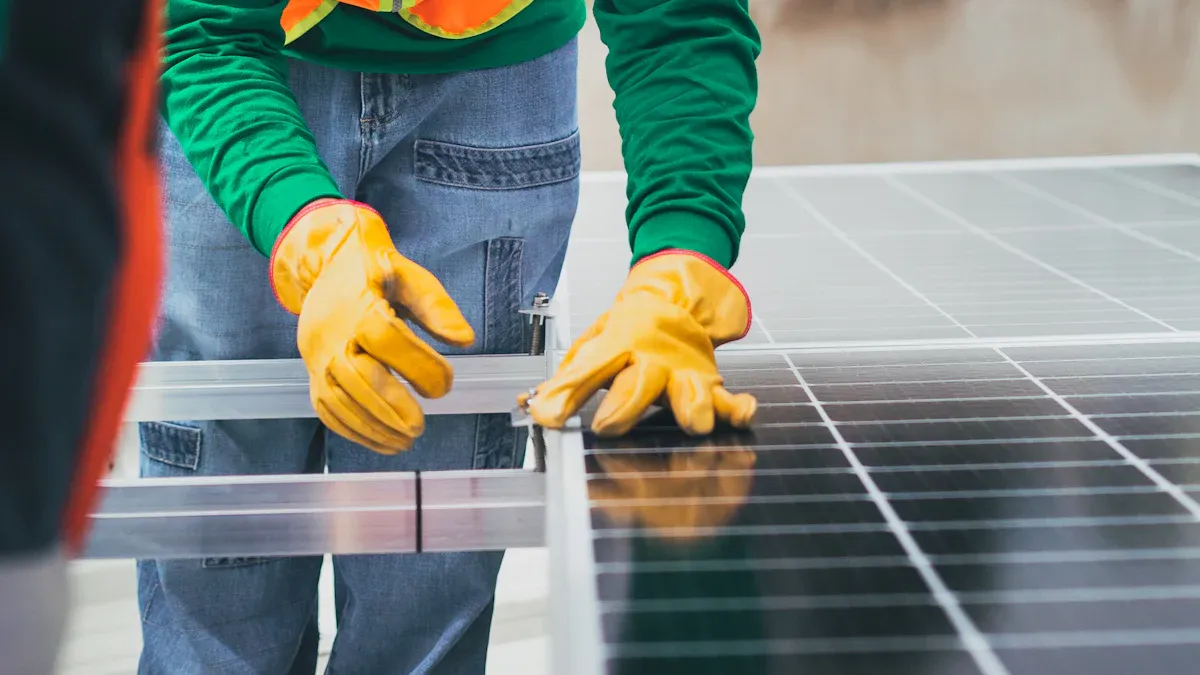
Before you clean, always put safety first. Turn off the power to the solar combiner box. Use insulated gloves and safety glasses. Make sure your hands are dry. Never touch wires or parts if you see water inside the box. If you feel unsure, call a professional for help.
Tip: Keep a dry cloth and a flashlight nearby. Good lighting helps you see dust and dirt.
Exterior Cleaning
Start by cleaning the outside of the box. Use a soft brush or a dry cloth to wipe away dust, dirt, and spider webs. Check the seals and hinges. If you see mud or bird droppings, use a damp cloth to clean them off. Do not use strong chemicals or spray water directly on the box. Water can get inside and cause damage.
- Remove leaves and debris from around the box.
- Wipe the labels so you can read them clearly.
- Check for cracks or broken parts as you clean.
Interior Cleaning
Open the box only after you turn off the power. Use a dry, soft brush to remove dust from the inside. Do not use water or cleaning sprays. Gently brush around wires, fuses, and breakers. Look for signs of insects or nests. If you find any, remove them carefully. Make sure the inside stays dry. If you see moisture, dry it with a clean cloth.
Note: Cleaning the inside helps you spot problems early. You keep your solar combiner box working well and safe.
Functional Testing
Voltage and Current
You must check voltage and current in your solar combiner box. This helps make sure your system is safe and gives the right power. Always be careful before you start. Turn off the disconnect switch and keep the combiner away from other parts. This keeps you safe from getting shocked.
Here are the steps to test voltage and current:
- Open the disconnect switch and make sure the box is not connected.
- Keep both ends of the circuit you want to test apart. Take out any electronics or surge protection devices first.
- Ask your solar panel maker before you test insulation resistance. Some tests can cancel your warranty.
- Put the black test lead on a grounded metal part, like the grounding bus bar.
- Put the red test lead on the wire you want to test. Make sure both leads are tight.
Always use a good meter and check your connections before you take any readings.
System Alarms
System alarms help you find problems early. These alarms tell you if there is high voltage, low voltage, or if things get too hot. Early warnings help you fix problems fast and keep your system working.
Here are some common alarm types you might see:
| Alarm Type | Description |
|---|---|
| Over-voltage | Finds voltage that is too high. |
| Under-voltage | Finds voltage that is too low. |
| Over-temperature | Checks if things get too hot. |
| Reverse current | Finds current going the wrong way. |
| No current | Warns you if no current is found. |
| Under-current | Finds current that is too low. |
| Over-current | Checks for too much current. |
| Fault arc detection | Finds dangerous arc faults in the system. |
System alarms also help you find string imbalances, dirt, shade, and arc-fault events. They even check if disconnect switches are in the right spot during maintenance.
Monitoring
Modern monitoring tools help you watch your solar system in real time. Many solar combiner boxes now have smart monitoring features. These tools help you see if your system is working well or if it needs fixing.
| Feature | Description |
|---|---|
| Smart Monitoring Box (SMB) | Puts monitoring and protection in one box. |
| Monitoring Capabilities | Watches surge protection and disconnect status live. |
| RS485/OFC/Wi-Fi Monitoring | Sends data wirelessly so you can see it easily. |
| Snapshot I-V Wireless Meter | Lets you check panel performance without extra wires. |
| Weather-tight Enclosure | Keeps electronics safe from rain and dust. |
| Automation | Gives you real-time data and alerts for quick action. |
With real-time monitoring, you can find problems fast and keep your solar system working its best.
Documentation
Record Findings
You should write down what you find every time you check your solar combiner box. Keeping good records helps you see changes and spot problems early. It also shows you follow safety rules. Write down what you see and measure each time you check. This makes it easier to fix things and show inspectors you care about safety.
Here are things you should write down during each check:
- The date and time you did the inspection
- Who did the inspection
- What the weather was like (hot, cold, rainy)
- What you saw (burn marks, rust, loose wires)
- Test results (voltage, current, insulation resistance)
- How insulation resistance compares to old results or standards
- What you fixed or changed (tightened wires, changed fuses)
- The manufacturer’s safe test result numbers
- Notes about things that could change your readings
Tip: Use a simple table or checklist to keep your notes neat. This helps you find what you need later.
| Item Checked | Result/Value | Action Taken | Notes |
|---|---|---|---|
| Insulation Resistance | 1.2 MΩ | None | Within standard |
| Fuse Condition | Good | None | No replacement needed |
| Humidity Level | 45% | None | Normal for season |
Writing down details helps you find problems early and keeps your system safe.
Schedule Next Check
Pick a date for your next inspection before you finish this one. Checking often helps you find problems before they get big. Most experts say you should check your solar combiner box at least every six months. If you live where the weather is rough or your system is old, check more often.
You can use a calendar or reminder app to help you remember. Write the next check date in your logbook or put a sticker inside the combiner box.
Note: Following a schedule keeps your solar system working well and helps you follow safety rules.
Best Practices
PPE Use
You must wear the right PPE every time you work on a solar combiner box. PPE helps keep you safe from shocks, falling, and flying pieces. Here is what you should wear:
- Footwear: Pick boots with ANSI ASTM Z71 rating. These boots protect your feet from heavy things and electric danger.
- Head Protection: Wear a Class E hardhat for electric safety. If you need side protection, use a Class II hardhat.
- Eye Protection: Put on safety glasses or goggles with ANSI Z87.1 rating. These keep sparks and dust out of your eyes.
- Electrical Insulating Gloves: Use Class 0 or Class 00 gloves when touching wires or terminals.
- Personal Fall Arrest Systems (PFAS): If you work up high, wear a harness, lanyard, and lifeline.
Tip: Always look at your PPE before you use it. If you see cracks or damage, get new gear.
Manufacturer Guidelines
Always follow the instructions from your solar combiner box maker. These rules help keep your system safe and working right. The manual tells you how to clean, check, and test your box. It also lists the right tools and parts to use.
- Read the manual before you do any work.
- Only use cleaning products and tools that are approved.
- Change fuses and circuit breakers with the right kind and size.
- Check surge protection devices as the manual says.
- Watch the humidity and temperature near your box to stop problems.
Doing these things helps you avoid mistakes and keeps your warranty good.
When to Call a Pro
Sometimes you need a professional to help. Call an expert if you see warning signs or need special tools. Look for these problems:
- Fault codes or warning lights on your inverter.
- Water, rust, or melted wires inside the box.
- Strange sounds from the inverter, like loud fans.
- Big drops in energy or weird changes in how it works.
- Damage you can see, like cracks, burns, or color changes.
- Hot spots found with a thermal camera.
- Cleaning or checks inside that need special skills.
- Firmware updates or system tuning.
- Big repairs or part changes.
If you feel unsure or see any of these problems, call a licensed solar technician. This keeps you and your system safe.
Taking care of your solar combiner box helps in many ways. Your system works better and you can find problems early. This means your energy keeps running without stopping for long. Watching your system in real time and fixing things fast stops big delays. Writing down what you do proves you follow safety rules and helps with warranty claims. Use a checklist, plan your checks, and call an expert if you need help. These actions keep your solar power safe, working well, and strong for a long time.
FAQ
How often should you inspect your solar combiner box?
You should inspect your solar combiner box at least every six months. If you live in a place with harsh weather or have an older system, check it more often. Regular checks help you find problems early.
What tools do you need for maintenance?
You need a torque screwdriver, insulated gloves, a flashlight, and a soft brush. You may also use a multimeter for electrical tests. Always follow the safety tips from your manufacturer.
Can you clean the inside of the combiner box yourself?
You can clean the inside if you turn off the power first. Use a dry brush and never use water. If you see water, rust, or damage, call a professional right away.
What are signs that you need a professional?
If you see melted wires, water inside, or warning lights, call a licensed solar technician. Strange sounds, hot spots, or big drops in energy also mean you need expert help.
Why is labeling important in a solar combiner box?
Labeling helps you and others work safely. It shows which wires and parts do what. Good labels help you follow safety codes and avoid mistakes during repairs or upgrades.
See also
How to Wire Multiple Solar Panels into a Combiner Box Safely
Combiner box solutions for your AC and DC needs
Why Your Solar Energy Setup Requires a Combiner Box
Solar Combiner Boxes and Voltage Changes: What to Know
Fire safety guidelines for solar combiner boxes