
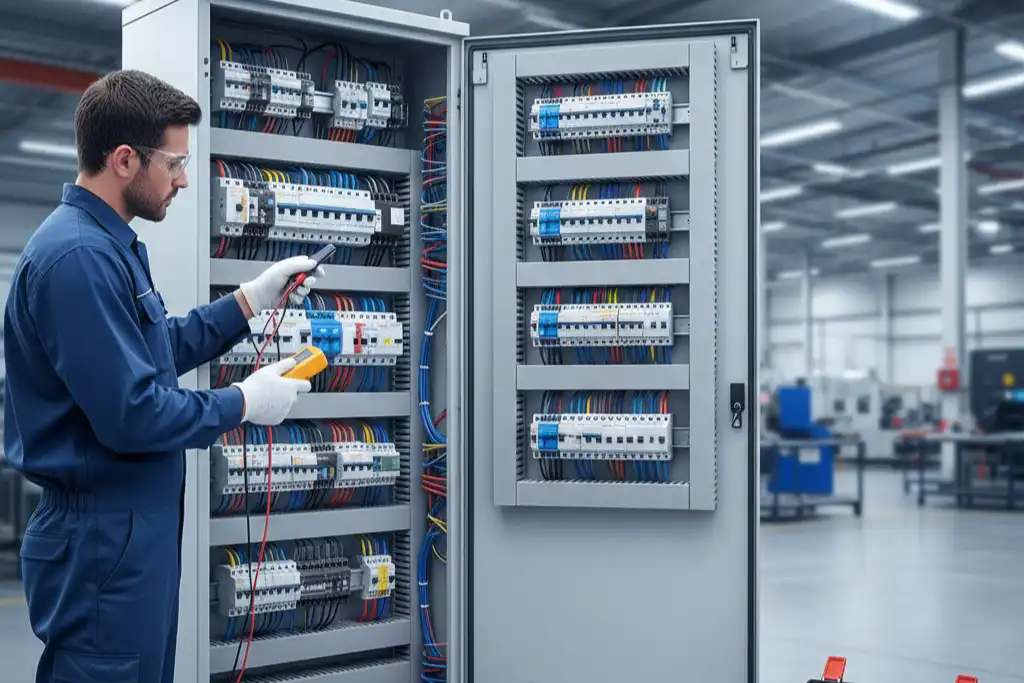
You help keep low voltage electrical equipment safe and working well. Doing regular maintenance stops surprise problems and keeps things running smoothly.
- Research shows that taking care of electrical panels can make them last 30 to 40 years.
- Good maintenance can stop 77% of electrical failures.
- If you skip maintenance, you will have more downtime and expensive problems.
| Benefit | Description |
|---|---|
| Improved Safety | You find dangers early and follow safety rules. |
| Reduced Downtime | You fix issues before they get worse and cause trouble. |
| Enhanced Energy Efficiency | You save money on energy by keeping systems working their best. |
| Better System Management | You make smart choices because you know how equipment is doing. |
| Cost Savings | You spend less by fixing small problems before they turn into big repairs. |
Key Takeaways
- Doing regular maintenance helps equipment last much longer, sometimes 30 to 40 years.
- Look at equipment often to find problems early, like damage or too much heat.
- Clean equipment and keep the area safe to stop dust and wetness from causing trouble.
- Check insulation and watch voltage to make sure everything works safely and well.
- Write down what you do and make a plan to do maintenance often so you do not have to pay for big repairs.
Visual Inspection of Low Voltage Electrical Equipment
Checking your equipment often helps you find problems early. This keeps low voltage electrical equipment safe. You can see issues before they get worse. Use your eyes and nose to look for warning signs. Follow these steps to keep your equipment working well.
Check for Physical Damage
Begin by looking for damage or wear. Check if the equipment is set up right. Make sure there are no signs of things getting worse. Everything should meet the rules and standards. Look at extension leads, plugs, and sockets. These parts need to be in good shape and right for the job. If you see cracks, broken parts, or loose covers, tell someone right away.
- Look for cracks or dents on panels and boxes.
- Check cables for cuts or wires showing.
- Look at plugs and sockets for burn marks or loose parts.
- Make sure circuit breakers, disconnect switches, busbars, and control devices are not broken.
Tip: Always use the manufacturer’s instructions when you check equipment. If someone says there is a problem, listen and check it out.
Inspect for Overheating or Odors
Heat and strange smells can mean trouble. Touch the equipment gently to see if it feels too hot. Smell the air near the equipment. If you smell burning or see color changes, there may be overheating or electrical problems. These signs mean you need to act fast to stop bigger issues.
- Look for melted insulation or burn marks.
- Notice any weird smells, like burning or chemicals.
- Look for color changes on wires or connectors.
Alert: Overheating can hurt low voltage electrical equipment and cause safety problems. If you see these signs, turn off the equipment and call a trained technician.
Examine Connections and Fittings
Loose or rusty connections can cause problems and safety risks. Check all fittings and connections closely. Make sure they are tight and clean. Look at busbars and control devices to see if they are safe and working right.
- Tighten any loose screws or bolts.
- Clean dust or rust from connectors.
- Make sure all parts fit together well.
Note: Finding loose or broken connections early helps you stop failures and keeps your low voltage electrical equipment working well.
By doing these steps, you help your equipment stay safe and reliable. Visual checks are easy but help protect your equipment and save money on repairs.
Cleaning and Environmental Control
It is important to keep your equipment clean. Controlling the environment helps stop many problems. Dust, heat, and moisture can hurt your systems. You can stop most failures by doing a few easy things.
Remove Dust and Debris
Dust may seem safe, but it can cause big problems inside electrical panels. When dust piles up, it makes a layer over parts. This layer keeps heat in and stops your equipment from cooling. Over time, this can make things too hot and even break your system.
- Dust can make thick blankets on circuit boards. This causes heat to build up and can be dangerous.
- Too much dust can cause electricity to leak or short circuits.
- Dry dust can change when it gets humid. This makes electrical problems worse.
- Dust can cause data loss and shut down your system.
You should clean surfaces and boxes often. Use a vacuum with plastic parts to suck up loose dust. A rag with a little nonflammable cleaner works well for dirt, oil, or grease. Do not use liquid cleaners unless the manufacturer says it is okay. Always let equipment dry all the way before turning it on. For tough dirt, dry ice blasting is safe and leaves no mess.
Tip: Clean your equipment every few months. Clean more often if your area is very dusty.
Ensure Ventilation and Cooling
Good airflow keeps your equipment cool and working well. Bad ventilation can make heat build up. This makes parts wear out faster and break more often. You can help cooling by planning how air moves around hot parts. Make sure nothing blocks the vents.
- Put air inlets low and outlets high to use natural convection.
- Keep thick wires away from airflow paths so cool air can move.
- Use flame-trap filters on vents to follow safety rules.
- Check vents every 3–6 months. Check more often if your area is dirty.
- After setup, use thermal imaging to see if airflow works right.
Alert: If you see hot spots or blocked vents, fix them fast to protect your low voltage electrical equipment.
Control Humidity and Temperature
Humidity and temperature matter for how long your equipment lasts. High temperatures can stress parts. This makes them age faster and work worse. When it gets too hot, electrical resistance goes up. This can cause voltage drops and signal problems.
- High humidity lets water get inside. This can cause rust and short circuits.
- Water can get into packing and circuit boards. This causes leaks and damage.
- Humid air can make surfaces more conductive. This may cause signal problems.
You should keep your equipment in a cool, dry place. Use dehumidifiers or air conditioning if you need to. Watch temperature and humidity with sensors. If you see water drops or feel dampness, act quickly.
Note: Keeping the environment steady helps your equipment last longer and work better.
By cleaning often and controlling the environment, you protect your low voltage electrical equipment from many problems. These easy steps save money and keep your systems working well.
Electrical Testing and Monitoring

Regular testing helps you find hidden problems in your electrical systems. You can keep your equipment safe and working well by checking insulation, voltage, and temperature.
Test Insulation and Continuity
You should test insulation to make sure electricity does not leak out of wires or parts. Use an insulation tester to check if the insulation is strong. If you find weak spots, replace the damaged parts right away. Continuity tests help you see if electricity flows smoothly through wires and connections. A simple continuity tester or multimeter works well for this job.
- Test insulation on cables, breakers, and panels.
- Check continuity on all wires and connections.
- Replace any part that fails the test.
Tip: Always turn off the power before you test. This keeps you safe.
Monitor Voltage and Load
You need to watch voltage and load levels to keep your equipment healthy. Use a voltmeter to check if the voltage stays within the right range. If the voltage is too high or too low, your equipment can get damaged. Use an ammeter to measure the load. If the load is too heavy, wires and parts can overheat.
- Record voltage and load readings every month.
- Look for sudden changes in the numbers.
- Fix problems before they cause bigger issues.
Note: Keeping voltage and load steady helps your low voltage electrical equipment last longer.
Use Thermal Imaging
Thermal imaging lets you see heat patterns in your equipment. You can spot hot spots that show where parts may fail soon. This tool helps you check systems while they are running, so you do not have to turn anything off. You can also use thermal imaging from a safe distance, which keeps you out of harm’s way.
- Detects failures before they happen.
- Lets you inspect equipment under load.
- Allows remote checks to keep you safe.
Alert: If you see a hot spot, act fast to prevent breakdowns or fires.
Testing and monitoring help you catch problems early. You save money and keep your systems safe by making these checks part of your routine.
Component Maintenance and Replacement
Taking care of each part helps stop sudden breakdowns. You need to check and change worn items. Make sure moving parts work smoothly. Protective devices must work right.
Replace Worn Cables and Fuses
Old cables and fuses can cause problems. Look for cracks or burn marks on cables. Fuses that blow often or look damaged need to be replaced. If you ignore these signs, you might have short circuits or lose power.
- Check cables for cuts or wires showing.
- Change fuses that look overheated.
- Look at connections for rust or if they are loose.
Tip: Always turn off the power before touching cables or fuses. This keeps you safe.
Here are some important parts that need regular care:
| Key Component | Maintenance/Replacement Needs |
|---|---|
| Switchgear | Clean parts to stop dust and help airflow. |
| Breakers | Test them to make sure they work right. |
| Electrical Connections | Check and tighten them to stop overheating. |
| Worn Parts | Watch and change contactors, fuses, and insulation that look old. |
| Documentation | Write down checks and repairs to help later. |
Lubricate Moving Parts
Moving parts need lubrication to work well and last longer. If you skip this, friction can hurt gears, bearings, or switches. Pick the right lubricant for each part. Use oil for cylinders, grease for bearings, and special electrical lubricants for contacts.
| Type of Lubricant | Description | Application |
|---|---|---|
| Oil | Lowers friction and cools parts | Used in cylinders and pistons |
| Grease | Oil with thickener, good for sealing | Used in bearings and gears |
| Liquid Lubricants | Synthetic and mineral oils for high heat | Works well in extreme conditions |
| Solid Lubricants | Graphite for high heat or heavy loads | Good when liquid lubricants do not work |
| Electrical Lubricants | Give insulation and stop rust | Help electrical contacts last longer |
Note: Wipe off old lubricant before adding new. This stops dirt from building up.
Calibrate Protective Devices
Protective devices like breakers and relays keep your system safe. You need to test and adjust them so they trip at the right time. If you skip calibration, these devices may not protect your low voltage electrical equipment during a fault.
- Test breakers with a trip test.
- Adjust relays to match the system’s needs.
- Record calibration dates for future checks.
Alert: Calibrate devices at least once a year. This keeps your system safe and reliable.
Doing regular maintenance and changing old parts helps your system work well. You lower the risk of failure and keep your equipment working for years.
Maintenance Scheduling and Documentation
Keep Maintenance Records
It is important to keep good records for every maintenance job. These records help you follow safety rules and keep things working. Write down who did the work, what they did, and when it happened. Use a table to keep your records neat and easy to find.
| Requirement | Description |
|---|---|
| Responsibilities | Write down who is in charge of safety and maintenance. |
| Priorities | Show which equipment needs care first. |
| Procedures | Record cleaning, lubrication, inspections, and tests. |
| Documentation | Write down steps for each piece of equipment. |
| Data Collection | Collect and use data to fix problems. |
| Records Retention | Keep records for the time required by rules. |
| Equipment Documentation | List all equipment and who maintains it. |
| Design Incorporation | Include design details in your records. |
| Process Improvement | Update records when you improve your process. |
| Maintenance Frequency | Record how often you do maintenance. |
Tip: Keep all your maintenance data in one place. Give each piece of equipment its own ID to make tracking simple.
Set Regular Maintenance Schedule
Make a schedule for checking and caring for your equipment. A good schedule helps you stop problems before they start. Use checklists for panels and switchgear so you do not miss any steps. Checklists help you follow rules like NFPA 70B and NEC.
- Make your schedule based on how important each piece of equipment is.
- Check equipment more often if it is old or used a lot.
- Use dashboards to spot patterns and fix issues early.
- Create work orders for any problems you find.
🗓️ Regular inspections help your low voltage electrical equipment stay safe and work well.
Train Staff on Safety
Train your staff to work safely every time. Good training lowers the chance of accidents and keeps everyone safe. Teach your team to use lockout/tag-out steps and wear the right gear. Remind them to never rush and always follow safety rules.
- Limit exposure to live parts and use barriers.
- Use current-limiting devices to reduce risk.
- Always use one hand and turn away when operating safety switches.
- Update safety knowledge often.
- Encourage staff to report unsafe conditions.
Alert: Safety training helps your team avoid mistakes and keeps your workplace safe.
You can keep your low voltage electrical equipment safe. Use a simple maintenance checklist to help you. Check your equipment often. Clean it and test it on a schedule. This helps you stop problems like loose connections and damaged insulation. It also helps you find overheating before it gets worse.
| Common Causes of Failure | Preventive Measures |
|---|---|
| Loose connections | Check and tighten parts often |
| Damaged insulation | Look for damage and fix it |
| Worn-out components | Change old parts and check them regularly |
| Overheating due to arcing | Use infrared thermography to find hot spots |
| Electrical fires | Find safety risks by doing maintenance |
Taking care of your equipment gives you many good things. You can stop expensive downtime. Your equipment will last longer. You will spend less on emergency repairs. You will follow safety rules. Your workers will be safer.
Start your maintenance plan today. Check your checklist often. This helps your equipment work well and saves you money.
FAQ
How often should you inspect low voltage electrical equipment?
Check your equipment every three to six months. If your area is dusty or humid, check it more often. Regular checks help you find problems early.
What tools do you need for basic maintenance?
You need a multimeter, insulation tester, screwdriver, cleaning cloth, and thermal imaging camera. These tools help you test, clean, and inspect your equipment safely.
Why is it important to keep maintenance records?
Keeping records helps you remember repairs and see patterns. You can plan future checks better. Good records also help you follow safety rules.
Can you do maintenance yourself or should you call a professional?
You can do easy jobs like cleaning and looking for problems. For testing, repairs, or if you see damage, call a trained electrician. Safety is always the most important thing.
See also
How to Test Air Circuit Breakers Safely and Effectively
What Makes Electrical Safety Standards Essential for Businesses
5 tips to improve the service life of circuit breakers
How to Perform Maintenance on Air Circuit Breakers in 2025
Circuit Breaker Requirements in High Dust Environments