You might ask if a three pole circuit breaker placed on single-phase panel is a viable option. The answer is yes, but only in certain cases. This setup uses two poles and leaves the third one unused. However, this method can cause problems. It may complicate installation, lead to mistakes, and create safety risks. You should check if this setup fits your system’s needs. Always consider safety and regulations when making your decision.
Tip: Consult a licensed electrician to avoid errors and ensure your system operates efficiently.
Key Takeaways
- You can use a three-pole breaker in a single-phase panel, but plan it carefully. Make sure it fits your panel’s needs.
- Single-pole or double-pole breakers are usually safer and better for single-phase systems. They lower the chance of errors and work more efficiently.
- Always ask a licensed electrician for help before installing. Their knowledge keeps things safe and follows electrical rules.
- Check and maintain your electrical panel often. This stops problems like overheating and keeps it working well.
- Think about future electrical needs and plan upgrades now. This prevents overloads and makes sure your system can handle new devices.
Understanding Three-Pole Circuit Breakers in Single-Phase Panels
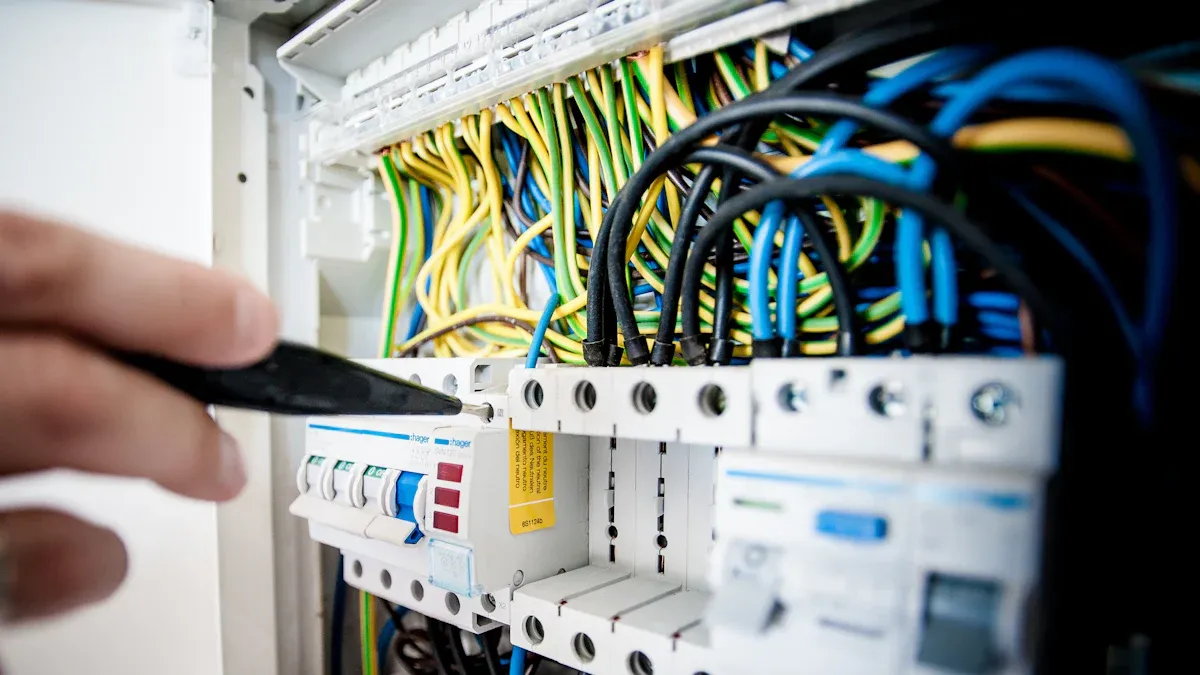
What Is a Three-Pole Circuit Breaker?
A three-pole circuit breaker stops electricity flow during overloads or short circuits. It is made for three-phase systems and controls three electrical lines at once. These breakers can handle up to 32 amps and work at 415 volts. They come in types like standard, main breaker, and interruption type, each for specific uses.
Why are three-pole breakers so useful? They manage high power, making them great for factories and businesses. Their design also lets them work in single-phase systems sometimes. This adaptability is why they are considered for single-phase panels.
How Three-Pole Breakers Can Be Used in Single-Phase Systems
Using a three-pole breaker in a single-phase panel means connecting two poles. The third pole stays unused. This setup can give more power and handle single-phase and three-phase loads. For example, if you plan to switch to a three-phase system later, this breaker might be helpful.
But this setup has challenges. Balancing the load on the poles can be hard. If done wrong, it may cause overheating or damage equipment. You must check if the breaker fits your panel and follow safety rules.
Scenarios Where This Configuration Might Be Beneficial
Here are times when using a three-pole breaker on a single-phase panel makes sense:
- Future Upgrades: If switching to a three-phase system later, this breaker saves effort.
- Mixed Loads: It simplifies setups with both single-phase and three-phase equipment.
- High Power Needs: When single-phase systems need more power, this breaker helps.
Even with these benefits, there are limits. High leg delta systems can cause voltage problems and motor overheating. Always ask an electrician if this setup works for you.
Note: A three-pole breaker on a single-phase panel offers flexibility but isn’t always safe or efficient. Plan carefully and get expert advice.
Technical and Safety Considerations
Can Three-Pole Breakers Work in Single-Phase Panels?
KC6-KU-3-pole-circuit-breaker.webp)
You may ask if a three-pole breaker fits a single-phase panel. The answer depends on your system’s design. A three-pole breaker is made for three-phase systems to control three lines. In a single-phase panel, only two poles are used, leaving one idle. This setup can work, but it needs careful planning.
Before installing, check if your panel supports this setup. Some panels may not match the size or connections of a three-pole breaker. Also, the breaker’s voltage and amperage must fit the panel’s limits. Ignoring these details can cause damage or poor performance.
Tip: Always check the manufacturer’s instructions to ensure compatibility.
Dangers of Incorrect Installation or Use
Using a three-pole breaker in a single-phase panel can be risky if done wrong. One problem is uneven load sharing. If the load isn’t balanced, it can overheat or trip the breaker. This can harm your system and even cause fires.
The unused pole is another risk. If it’s not insulated or secured, it might become live. This creates a serious safety hazard. Misusing this setup can also break electrical rules, leading to fines or insurance issues.
To stay safe:
- Balance the load properly during installation.
- Insulate or secure the unused pole safely.
- Hire a licensed electrician to ensure safety standards are met.
Warning: Poor installation can risk your safety and damage property. Always get expert help.
Effects on Efficiency and Load Sharing
Using a three-pole breaker in a single-phase panel can lower efficiency. These breakers are designed for three-phase systems, so they may not work perfectly in single-phase setups. This can waste energy or reduce equipment performance.
Load sharing is also important. In single-phase systems, the load must be split evenly between the two active poles. If one pole carries more load, it can wear out faster or fail. This imbalance can also make your system unstable.
To keep efficiency and balance:
- Use a load calculator to check your system’s needs.
- Inspect the breaker and panel often for wear or imbalance.
- Think about using single-pole or double-pole breakers for better efficiency.
Note: A three-pole breaker can work in a single-phase panel, but it’s not always the best or safest option.
Compliance with Electrical Codes and Standards
Key Rules for Circuit Breaker Use
Knowing the rules for circuit breakers keeps your system safe. Groups like Underwriters Laboratories (UL) create these rules. For example, UL 489 says breakers must meet safety standards. These include features like delay timing, short-circuit protection, and clear on/off signs.
Here’s a simple list of key rules:
| Rule | What It Means |
|---|---|
| UL Standard | Breakers must follow UL 489 rules |
| Type | Must be reset by hand |
| Protection Features | Needs delay, short-circuit protection, and switching ability |
| Status Indication | Must show if it’s on or off |
Following these rules lowers risks and keeps your system working well.
Mistakes to Avoid with Codes
Breaking codes can cause big problems like repairs or fines. A common mistake is using breakers that don’t fit the panel. Inspectors often catch this, leading to costly fixes. Skipping paperwork for breaker-panel specs is another issue. This paperwork proves you followed the rules and helps during inspections.
Other mistakes include:
- Using breakers that don’t meet rules, which void warranties.
- Misunderstanding breaker swaps, as brands like Eaton and UL have different views.
Avoiding these errors saves money, time, and keeps your system safe.
Why Manufacturer Instructions Matter
Manufacturers give instructions to help you install their products correctly. Ignoring these can break your system or cancel warranties. For example, Square D says non-approved breakers void their warranty. Always check if your breaker fits the panel and follow the instructions.
By following these steps, you keep your system safe and avoid problems. If unsure, ask an electrician to check everything matches the manufacturer’s rules.
Tip: Keep the manufacturer’s manual handy to solve problems and stay within the rules.
Alternatives to Three-Pole Circuit Breakers for Single-Phase Panels
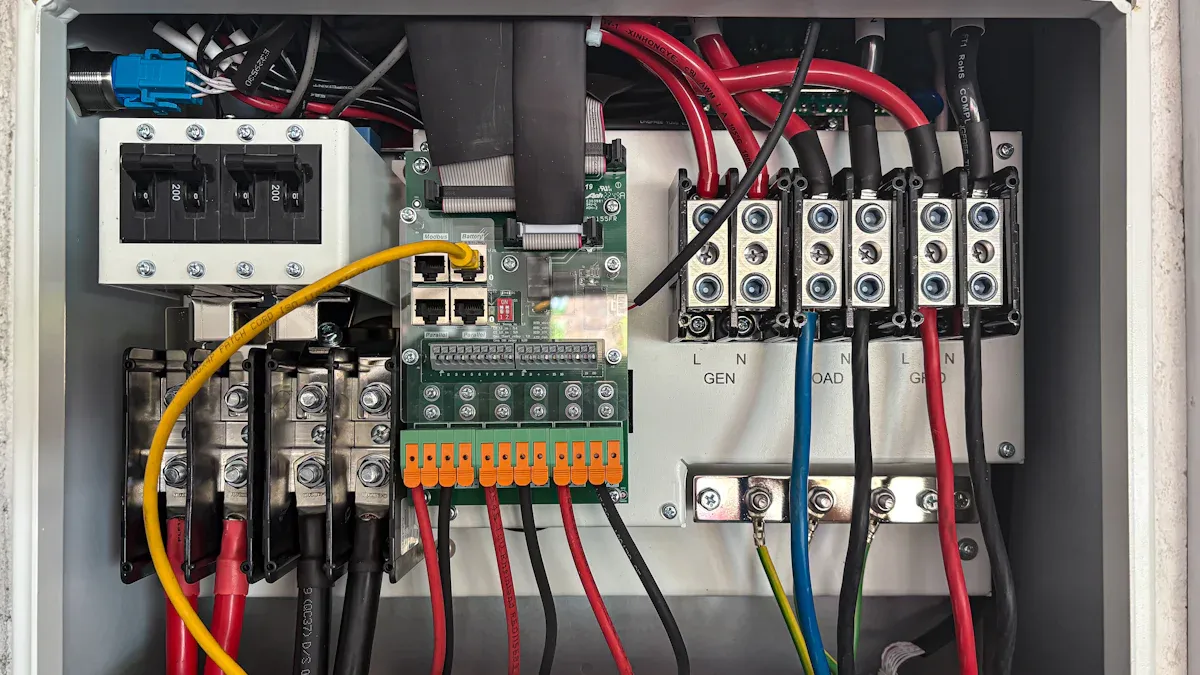
Single-Pole and Double-Pole Circuit Breakers
Single-pole and double-pole breakers are safer for single-phase panels. These breakers are made for single-phase systems, so they work better. Single-pole breakers stop only the live (hot) wire. Double-pole breakers stop both the live and neutral wires.
Here’s why single-pole breakers are often better than double-pole ones:
- Single-pole breakers are simpler and more dependable for single-phase use.
- You can fix one circuit without turning off others.
- Double-pole breakers trip if one side overloads, causing unnecessary shutdowns.
The table below shows the main differences between single-pole and double-pole breakers:
| Feature | Double Pole Circuit Breaker | Single Pole Circuit Breaker |
|---|---|---|
| Wires Disconnected | Both Live (hot) and Neutral | Live (hot) only |
| Circuit Isolation | Full isolation | Neutral stays connected |
| Safety | Better safety | Risk of leftover current |
| Compliance | Meets code rules | May not meet all codes |
| Complexity | More complicated | Easier and cheaper |
| Common Uses | Homes and small businesses | Many different uses |
| Typical Ratings | 15 Amps to 60 Amps | 15 Amps to 60 Amps |
Pick the breaker based on your system’s needs. Single-pole breakers are great for simple setups. Double-pole breakers add safety for bigger systems.
Upgrading to a Three-Phase Panel for Future Needs
If you need more power or plan to add three-phase tools, upgrading to a three-phase panel is smart. This upgrade avoids using three-pole breakers in single-phase panels. A three-phase panel spreads power better, works more efficiently, and supports heavy-duty equipment.
Upgrading prepares your system for future growth. It keeps safety and performance high. While it costs more upfront, it saves money later. You avoid mismatched parts and get a system built for higher power.
Consulting a Licensed Electrician for Tailored Solutions
When choosing breakers or upgrading panels, ask a licensed electrician for help. They check your system and suggest safe, code-compliant solutions. They also install everything correctly to prevent accidents or failures.
Electricians can help you plan for future needs too. Whether upgrading to a three-phase panel or improving a single-phase setup, their advice ensures safety and efficiency. Don’t guess with electrical work—expert help saves time, money, and worry.
Tip: Always get professional advice to keep your electrical system safe and legal.
Best Practices for Electrical Panel Safety
Regular Maintenance and Inspections
Taking care of your electrical panel keeps it safe. Skipping maintenance can cause fires or shocks. Regular checks follow safety rules and fix problems early.
Why is maintenance important?
- It stops dangers like overheating or loose wires.
- It makes sure your system is safe to use.
- It catches problems before they become accidents.
Good inspection habits are also key. Keep the area around panels clear. Mark paths to equipment to avoid blockages. Stick to a regular inspection plan for better safety:
- Daily: Look for issues like hot wires or damaged parts.
- Weekly: Test basic functions to ensure everything works.
- Monthly: Use tools to find hidden problems like heat spots.
- Annually: Do deep tests to check long-term safety.
Tip: Regular inspections help you fix small issues before they grow.
Ensuring Compatibility of All Components
All parts of your panel must work well together. Using mismatched breakers or wires can cause failures or risks. Always check that parts match your panel’s needs.
How to check compatibility:
- Read the maker’s instructions for your panel and breakers.
- Match voltage and amperage to avoid overloads.
- Use parts made for your panel type, like single-phase or three-phase.
If parts don’t fit, they can overheat or trip breakers. Regular checks help you find and replace bad parts before they cause harm.
Warning: Wrong parts can cancel warranties and lead to expensive fixes.
Planning for Future Electrical Needs
Think ahead to make sure your panel handles future power needs. Studies show heating demand and temperature mapping can predict energy use well. For example:
| Study | Focus | Data Used |
|---|---|---|
| Waite and Modi | Heating demand by temperature | FEMA Hazus, U.S. Census, NOAA temps, EIA energy data |
| Oh and Beckers | Mapping heating needs | RECS, CBECS, FEMA Hazus |
These studies help plan for energy changes and upgrades. If you want new appliances or a three-phase system, upgrade your panel now. This avoids overloads and keeps your system working well.
Note: Planning ahead saves money and prevents problems with old systems.
A three-pole circuit breaker can be used on a single-phase panel, but only in certain situations. You must check if it matches your panel and follows safety rules. Single-pole or double-pole breakers are usually better for single-phase systems because they are simpler and work more efficiently. Always ask a licensed electrician to make sure your setup is safe and fits your needs. This helps avoid problems and keeps your system running well.
FAQ
1. Why use a three-pole breaker in a single-phase panel?
You might use it if upgrading to a three-phase system later. It can also handle mixed loads or higher power needs. Careful planning is needed to keep it safe and efficient.
2. Why is load balancing important with a three-pole breaker?
Balancing the load stops overheating and keeps performance stable. Uneven loads can trip the breaker or harm equipment. Always calculate and spread the load evenly for safety.
3. Why consult an electrician before installing a three-pole breaker?
An electrician checks if the breaker fits your panel and meets safety rules. They ensure proper installation, lowering risks like fires or system failures. Expert advice makes your setup safe and efficient.
4. Why are single-pole or double-pole breakers better for single-phase panels?
These breakers are made for single-phase systems. They are simpler, safer, and work better. They lower the chance of mistakes and fit your panel well.
5. Why is leaving one pole unused in a three-pole breaker risky?
An unused pole can become live and cause danger. This happens if it’s not insulated or secured properly. Always follow safety rules to avoid accidents.
The following information may be of interest to you
Single Phase vs Three Phase Electricity: Which is Best for You?
What You Need to Know About Three-Phase Solar Inverters
The difference between single-phase and three-phase DB boxes
Choosing Between Single-Phase and Three-Phase Solar Inverters