

The cost of residual current circuit breaker in 2025 ranges from $20 to $80 for low-amperage models. For high-amperage or advanced types, the cost of residual current circuit breaker can reach $100 to $300 or more. Safety and compliance regulations, such as IEC 61008, require manufacturers to incorporate additional features for enhanced protection. Many companies invest in smart technology and research to meet these standards. While this increases the cost of residual current circuit breaker, it also provides greater value to users.
Key Takeaways
- RCCB prices in 2025 go from $20 to over $400. The price depends on type, amperage, and smart features.
- Higher amperage, more poles, and advanced types cost more. Certifications also make RCCBs more expensive. These things help make RCCBs safer.
- Installing an RCCB costs extra money. It is usually between $100 and $600. The price depends on how hard the job is.
- Regular testing and maintenance help RCCBs work well. This keeps people safe from shocks and fires.
- Use a checklist to pick the right RCCB for you. Think about what you need, sensitivity, poles, and certifications.
Cost of Residual Current Circuit Breaker in 2025
Price Range Overview
The cost of residual current circuit breaker in 2025 changes based on type and features. Most low-amperage RCCBs for homes cost from $20 to $80. These are good for simple protection in small circuits. High-amperage RCCBs for big buildings or factories cost $100 to $300 or more. Some special kinds, like B Type or smart RCCBs with digital tools, cost even more. For example, smart RCCBs with remote checks or extra safety can cost $400 or higher.
Note: The total price goes up with installation. Electricians usually charge $100 to $600 to install an RCCB. The price depends on how hard the job is and where it is.
The table below gives a quick look:
| RCCB Type | Typical Price Range | Common Use Case |
|---|---|---|
| Low-Amperage (up to 40A) | $20 – $80 | Homes, small offices |
| High-Amperage (63A+) | $100 – $300+ | Factories, large buildings |
| B Type / Smart RCCB | $200 – $400+ | Sensitive, high-tech systems |
| Installation (Labor) | $100 – $600 | All settings |
What Affects the Price
Many things can change the cost of residual current circuit breaker. Each feature or choice can make the price go up or down.
- Current Rating: Higher current ratings, like 63A or more, cost more. These RCCBs handle more power and need stronger parts.
- Pole Configuration: RCCBs come in 2-pole for single-phase and 4-pole for three-phase. Four-pole RCCBs cost more because they protect more wires.
- Type of RCCB: Different types, like AC, A, or B, give different protection. B Type RCCBs find more faults and usually cost the most.
- Breaking Capacity: RCCBs with higher breaking capacity, like 25kA, stop bigger surges. These cost more money.
- Certifications: RCCBs that meet strict rules, like IEC or UL, often cost more. These show the device is safe and works well.
- Smart Features: RCCBs with digital tools, remote checks, or early warning cost more. These help users find problems early and save money later.
- Miniaturization: Smaller RCCBs fit in tight spaces but may cost more because of their design.
- Brand and Warranty: Famous brands with good support and long warranties often charge more.
- Market and Region: Prices change based on where you live. Delivery, local rules, and supply issues matter too.
- Bulk Orders: Big projects that buy many RCCBs at once may get a lower price for each one.
- Other things that matter:
- Better sensitivity and arc fault detection for more safety.
- Eco-friendly designs for green energy systems.
- Changes in supply chain and raw material costs.
- Customer service and help after buying.
Tip: Buyers should check if the RCCB meets the newest safety rules. Certified RCCBs may cost more, but they keep people safer and give peace of mind.
The cost of residual current circuit breaker can change fast as new technology and safety rules come out. Smart RCCBs and those for green energy cost more, but they can save money later by lowering repairs and energy loss.
RCCB Basics
What Is an RCCB
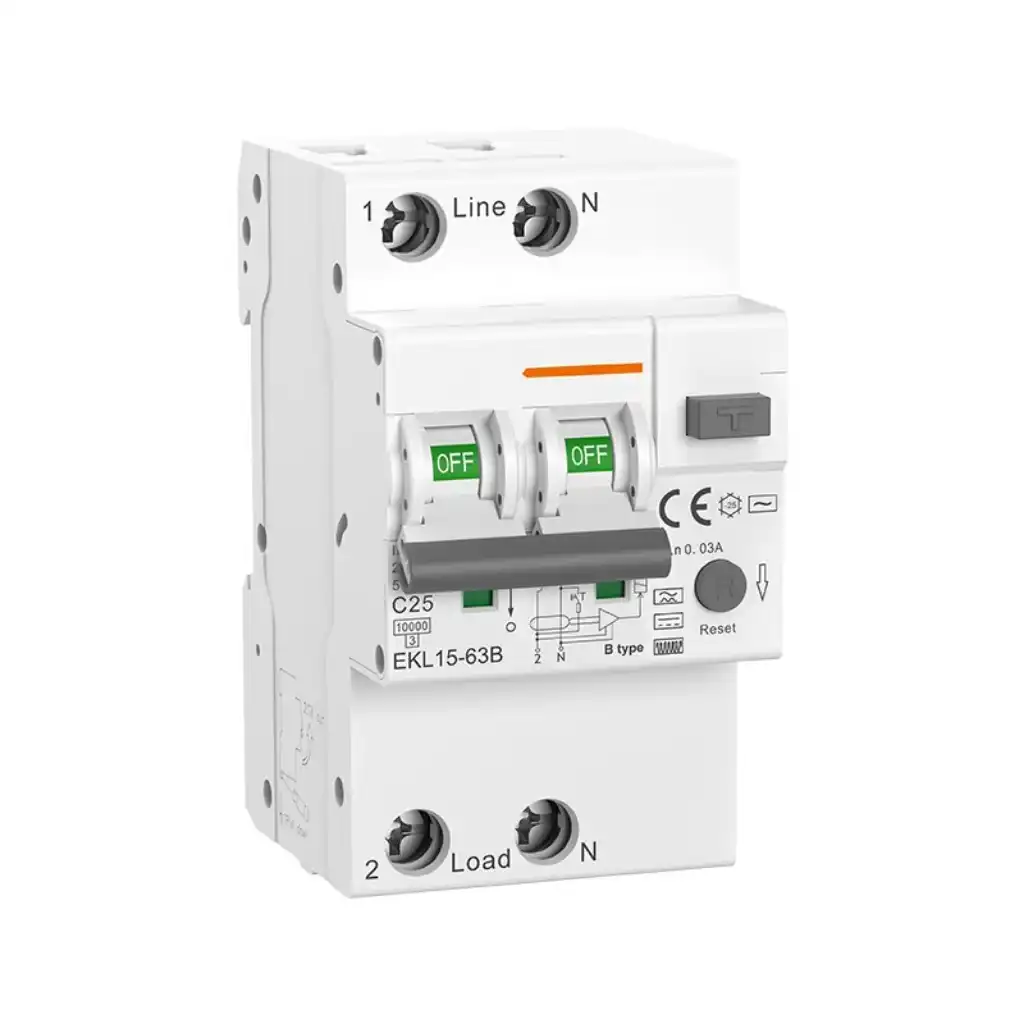
A Residual Current Circuit Breaker is a safety device. It helps protect people from electric shocks. It also helps stop electrical fires. The device checks electricity in both live and neutral wires. If the amount of electricity is not the same, it finds a problem. This difference is called an imbalance. An imbalance can happen if electricity leaks through a person or broken equipment.
RCCBs have a special magnetic core to find this imbalance. If the leakage current goes over a set limit, it acts fast. The limit is usually between 5 and 30 milliamps. When this happens, the RCCB turns off the power right away. This quick action helps stop bad injuries or damage. RCCBs are different from regular circuit breakers. They focus on earth leakage protection, not just too much current or short circuits.
You should test the RCCB often with its test button. Electricians also check how much current makes it trip and how fast it works. This keeps homes and buildings safe.
| Parameter | Typical Range/Value |
|---|---|
| Rated Current (In) | 16 A to 100 A |
| Residual Operating Current (IΔn) | 30 mA, 100 mA, 300 mA |
| Rated Voltage | 230/240V AC (1P+N), 400/415V AC (3P+N) |
| Tripping Time | < 30 milliseconds (for 30 mA RCCB) |
| Standard Compliance | IEC 61008-1 / IS 12640-1 |
Why RCCBs Matter
RCCBs are very important for electrical safety. They help stop electric shocks. They also lower the chance of fires from bad wires or broken appliances. Many countries now say new homes and buildings must have RCCBs. This is because they save lives.
- The RCCB market is growing quickly as more people care about safety.
- Some governments, like Japan, make RCCBs a rule in new buildings.
- RCCBs keep homes, offices, and factories safe from electrical problems.
- More cities and industries use RCCBs as they build new places.
- Following safety rules, like IEC 61008 and IEC 61009, keeps people safe.
RCCBs help families and workers feel safe. They are the first defense against hidden electrical dangers. Using and testing RCCBs often helps everyone stay safe in a world that uses electricity every day.
Price Factors
Amperage and Sensitivity
The amperage of an RCCB is important for its price. RCCBs with higher amperage can handle more electricity. These need stronger parts, so they cost more. Sensitivity is also a key factor. RCCBs with higher sensitivity find smaller leaks of electricity. These models usually cost more because they protect better. For example, a 30 mA RCCB is cheaper than a 10 mA one. People pick the right amperage and sensitivity for their building’s needs.
Poles and Types
How many poles an RCCB has changes its price. Double-pole RCCBs work for single-phase systems. Four-pole RCCBs protect three-phase systems. Four-pole models cost more because they cover more wires. The type of RCCB also affects the price. There are AC, A, F, and B types. Type B RCCBs find all kinds of faults, so they cost the most. Most homes use AC or A types, which are cheaper. Factories and special buildings may need B type for extra safety.
Note: RCCB prices can be from $50 to $200. The number of poles and the type you pick change the price.
Brand and Certification
Brand and certifications matter a lot for RCCB prices. Famous brands charge more because they give better support and longer warranties. Certified RCCBs follow strict safety rules, like IEC or UL. These show the product is safe and works well. RCCBs with more certifications usually cost more, but they help buyers feel safe.
| Key Factors Affecting RCCB Pricing | Description |
|---|---|
| Electrical Safety Regulations | Strict rules make more people want certified products and raise prices. |
| Construction Activities | More building projects mean higher demand and changing prices. |
| Technological Advancements | New features and smart tech add value and cost. |
| Market Segmentation | Different types and uses affect pricing. |
| Regional Operations | Local rules and supply chain issues change prices in each area. |
Market trends also change prices. More building and new technology, like smart RCCBs, make prices go up. Local rules or supply chain problems can also change the final price.
ONESTOP is a well-known manufacturer of residual current clamp circuit breakers in the market, committed to providing customers with high-quality products and competitive prices, while supporting ODM/OEM customization services.

Cost Comparison with Other Devices
RCCB vs ELCB
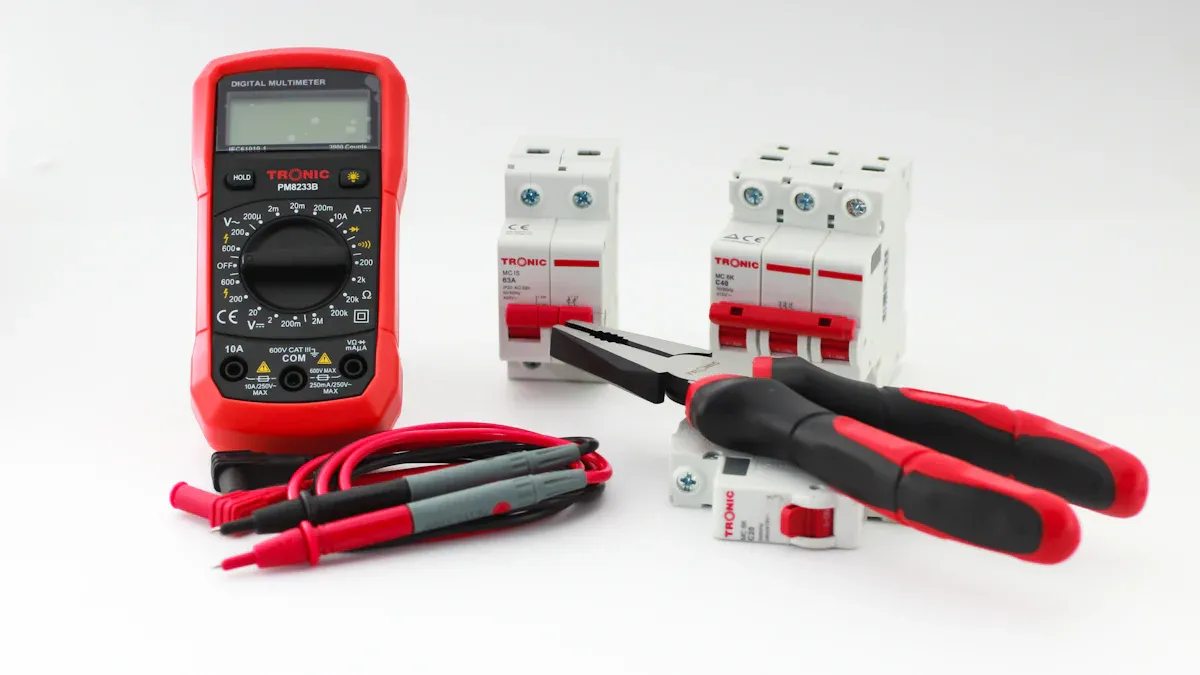
RCCBs and ELCBs both help stop electric shocks. They work in different ways. RCCBs watch the current in live and neutral wires. If the current is not the same, the RCCB turns off the power. ELCBs look for voltage on the earth wire. If the earth wire is not set up right, ELCBs might miss some problems. This means ELCBs do not always find every fault.
RCCBs are now used more because they protect better. They act faster and can find smaller leaks of electricity. ELCBs cost less than RCCBs, but they do not keep people as safe. Most new buildings use RCCBs instead of ELCBs.
| Device | Main Function | Typical Cost | Sensitivity | Common Use |
|---|---|---|---|---|
| RCCB | Finds current imbalance | Higher | High | Homes, offices, factories |
| ELCB | Finds earth voltage | Lower | Lower | Older systems |
Note: RCCBs cost more at first, but they protect better and follow new safety rules.
RCCB vs MCB and MCCB
RCCBs, MCBs, and MCCBs all help keep electrical systems safe. They each do a different job. MCBs and MCCBs stop too much current and short circuits. They do not stop earth leakage. RCCBs stop earth leakage, which helps prevent shocks.
RCCBs cost more than MCBs and MCCBs because they have extra safety parts. Putting in an RCCB is harder. Electricians need special skills to set up earth leakage protection. Market reports show:
- RCCBs cost more than MCBs because they protect more.
- Installing an RCCB is harder than putting in an MCB.
- MCBs are cheaper and easier but do not stop earth leakage.
- RCCBs act faster and are more sensitive than MCBs.
Some people pick MCBs or MCCBs because they are cheaper and simple to put in. But these do not keep people as safe as RCCBs. The price of a residual current circuit breaker can be too high for some people, especially where money is tight. Cheaper choices like fuses and regular circuit breakers are still used, but they do not stop earth leakage.
Tip: For the best safety, use RCCBs with MCBs or MCCBs. This way, you get protection from both overloads and earth leakage.
Choosing the Right RCCB
Application and Load
To pick the right RCCB, you must know what you need. Different places need different protection. Homes and offices use RCCBs with lower sensitivity, like 10mA or 30mA. These help protect people from electric shock. Factories need higher sensitivity, such as 100mA or 300mA. This helps stop fires from earth leakage. The number of poles is important too. Two-pole RCCBs are good for single-phase systems. Four-pole RCCBs work for three-phase systems in big buildings.
Tip: RCCBs with adjustable sensitivity can change as your needs change. They work well in many different situations.
Here is a simple guide to help you choose:
- Find out if the current is AC, pulsating DC, or smooth DC.
- Decide how many poles your system needs.
- See if you need the RCCB to trip right away or after a delay.
- Make sure the RCCB fits your wiring and mounting.
- Pick the right amp rating for your system.
Balancing Cost and Features
It is smart to think about both cost and features. RCCBs have many features, like smart monitoring and adjustable sensitivity. Some also stop nuisance tripping. Not every place needs the fanciest RCCB. For homes, a basic RCCB with normal sensitivity is enough. Offices and factories may want smart RCCBs or ones with higher breaking capacity.
| Feature | Basic RCCB | Advanced RCCB |
|---|---|---|
| Sensitivity Options | ✔️ | ✔️ |
| Adjustable Settings | ✔️ | |
| Smart Monitoring | ✔️ | |
| Higher Breaking Capacity | ✔️ | |
| Cost | Lower | Higher |
Note: Picking the right features saves money and keeps you safe.
Avoiding Common Mistakes
People sometimes make mistakes when picking or putting in RCCBs. These mistakes can make things less safe and cost more money. Experts say you should do these things to avoid problems:
- Check RCCBs often for damage or wear.
- Clean them to get rid of dust and dirt.
- Test the trip button to make sure it works.
- Check the earth loop impedance for good grounding.
- Do residual current tests to find faults.
- Learn about the types of RCDs and pick the right one.
- Remember, RCCBs do not last forever. Have electricians test them often.
Some common mistakes are putting breakers in hot places, sharing neutrals, or bad grounding. These can cause nuisance tripping, overheating, or even fires. Balance the loads, follow the rules, and use single-point grounding for better safety.
Doing regular checks and installing RCCBs the right way keeps people and property safe from electrical problems.
Additional and Hidden Costs
Installation and Labor
Some people think the RCCB price is just for the device. But putting it in and paying workers adds a lot more. Electricians must follow safety rules and use special tools. They charge money for their time or for each job. The cost changes if the work is hard or the place is far away. It is easier and cheaper to put an RCCB in a new house. It costs more to change one in an old building. Some jobs need new wires or changes to the panel. These things take more time and skill.
Tip: Always get a clear price before work starts. This helps you not get surprised later.
A simple job may cost about $100. Harder jobs can cost $600 or even more. Labor prices also change with local pay and the worker’s skill. Some places cost more because of strict rules or not enough good workers.
Upgrades and Maintenance
RCCBs need to be checked often to work well. Parts can break or stop working over time. You may need upgrades if safety rules change or you use more power. Maintenance means testing the trip button, cleaning, and looking for damage. If an RCCB fails a test or cannot be fixed, it should be changed.
The table below shows when to upgrade or replace a circuit breaker:
| Equipment Type | Retirement or Upgrade Criteria |
|---|---|
| Circuit Breaker | – Bad damage to main parts – Old technology (like oil arc) – Fails safety tests after upgrades – Fixing costs more than 80% of a new one – Model not made anymore |
If fixing an RCCB costs too much or it cannot meet new rules, it is best to get a new one. Sometimes, fixing and upgrades cost almost as much as a new device. Checking RCCBs often helps stop sudden problems and keeps people safe.
Note: Planning for upgrades and checks helps save money and keeps the system safe.
RCCB Buying Checklist
Picking the right Residual Current Circuit Breaker keeps everyone safe. This checklist helps you make good choices in 2025.
✅ Key Steps Before Buying
- Identify the Application
- Decide if you need the RCCB for a home, office, or factory.
- Check if your system is single-phase or three-phase.
- Determine the Required Amperage
- Find out how much current your system uses at most.
- Choose an RCCB with the same or higher amp rating.
- Select the Sensitivity Level
- Most homes use 30mA to stop shocks.
- Factories may need 100mA or 300mA to help prevent fires.
- Choose the Number of Poles
- Pick 2-pole for single-phase systems.
- Pick 4-pole for three-phase systems.
- Pick the RCCB Type
- Type AC gives basic protection.
- Type A finds AC and some DC faults.
- Type B finds all leakage, best for advanced systems.
- Check Certifications
- Look for IEC 61008, UL, or local safety marks.
- Compare Brands and Warranties
- Well-known brands give better help and longer warranties.
- Consider Extra Features
- Smart monitoring, remote testing, or adjustable sensitivity can be useful.
- Plan for Installation
- Ask a licensed electrician for a price.
- See if you need new wires or upgrades.
- Budget for Maintenance
- Plan for regular tests and future upgrades.
Tip: Always test the RCCB after it is installed. Regular checks keep everything safe.
| Checklist Item | Why It Matters |
|---|---|
| Application | Makes sure you get the right protection |
| Amperage | Stops overloads |
| Sensitivity | Makes things safer |
| Poles | Matches your system |
| Type | Finds the right faults |
| Certification | Shows it meets safety rules |
| Brand/Warranty | Gives peace of mind |
| Extra Features | Makes things easier |
| Installation | Makes sure it works right |
| Maintenance | Keeps it working well |
Carefully using this checklist helps you avoid mistakes. It also helps keep people and property safe for a long time.
In 2025, RCCB prices depend on things like how sensitive they are, how much electricity they can handle, and if they follow safety rules. The market is getting bigger because of new smart technology and more machines doing work by themselves. People buying RCCBs should think about the first price and also extra costs, like paying for someone to put it in and keeping it working. The table below shows what can change the price:
| Factor | Impact on Price |
|---|---|
| Sensitivity | Higher = More Cost |
| Ampere Capacity | Higher = More Cost |
| Safety Standards | Certified = More Cost |
Smart shoppers use a checklist to help them pick the safest RCCB. They look at different brands, check what each one can do, and think about upgrades they might need later.
If you want to buy or change your RCCB, look up top brands, talk to a trained electrician, and check what is new in the market to get the best deal.
If you have any requirements for residual current circuit breakers, please feel free to contact us at any time
FAQ
What is the main job of an RCCB?
An RCCB helps keep people safe from electric shocks. It shuts off the power fast if it finds a leak in the current. This action helps stop injuries and can prevent fires.
How often should someone test an RCCB?
Experts say you should test the RCCB once a month. Push the test button to see if it works. Testing often makes sure the device is ready to protect you.
Does a more expensive RCCB always mean better safety?
Not every expensive RCCB is safer. Higher prices usually mean more features or smart tools. Basic models from good brands are safe if they meet rules like IEC 61008.
Can a homeowner install an RCCB by themselves?
Only a licensed electrician should put in an RCCB. This makes sure the device works right and follows all safety rules.
What should someone do if the RCCB keeps tripping?
Look for broken appliances or bad wires. Unplug things one at a time to find the problem. If it still trips, call an electrician for help.
The following is information that you may be interested in
How to choose a household residual current circuit breaker
What Are Residual Current Circuit Breakers and How Do They Work
Top 8 Residual Current Circuit Breaker Brands for Home Safety
How to Resolve RCCB Tripping Problems at Home
What Leads to RCCB Malfunction and Damage