

Temperature changes can change how MCBs work. They can also affect how safe and reliable they are in electrical systems. High temperatures make the breaker trip more often. This happens because the bimetallic strip inside gets hot fast. Low temperatures make the breaker trip slower. This can cause a delay in protection. The table below shows what happens to these devices at different temperatures. It also shows the safety problems that can happen.
| Temperature Condition | Effect on MCB Performance | Safety Implications |
|---|---|---|
| High (e.g., 50°C) | Breaker trips a lot because the strip is already hot | More chance of problems and damage to insulation |
| Low (e.g., -20°C) | Breaker trips slowly when overloaded; insulation gets tighter | May not trip fast enough, which can be dangerous |
Key Takeaways
- High temperatures can make MCBs trip too much. This can cause safety problems.
- Low temperatures can slow down MCB tripping. This can make overloads more dangerous.
- Checking and fixing MCBs often can stop problems from temperature changes.
- Picking the right MCB for hot or cold places keeps things safe and working well.
- Watch for signs of too much heat or broken parts to make sure MCBs work right.
Temperature Effects on MCB Performance
Tripping Mechanism
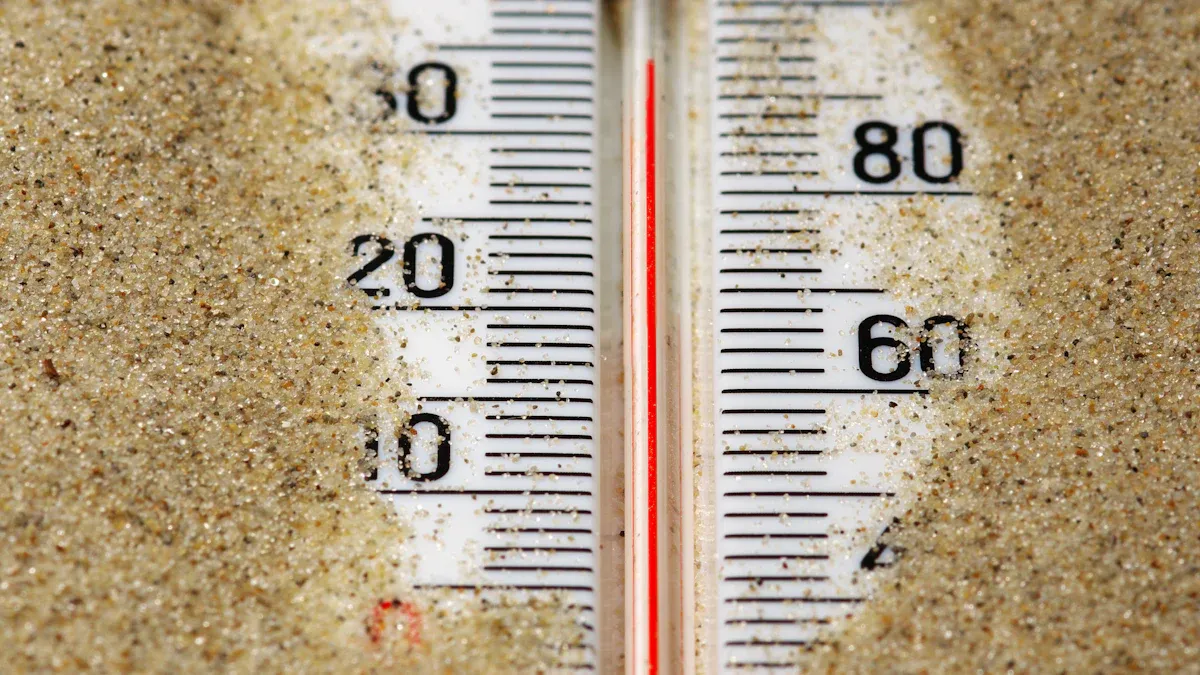
An MCB has a bimetallic strip inside. This strip bends when it gets hot from electricity. If the current is too high, the strip heats up and makes the breaker trip. The temperature around the MCB changes how fast this happens. In hot weather, the strip is already warm. It bends faster and trips the breaker sooner. In cold weather, the strip is cooler. It takes longer to heat up and bend, so the breaker trips later.
For example, a 10A breaker might trip at 7A if it is hot. In cold weather, the same breaker may not trip until 13A. This can cause the breaker to trip too soon in summer or too late in winter.
The table below shows how the tripping current changes with temperature:
| Ambient Temperature (°C) | Tripping Current (A) |
|---|---|
| 50 | 8.3 |
| 0 | 10 |
| -25 | 12.7 |
Magnetic and Thermal Sensitivity
MCBs work with both magnetic and thermal parts. The magnetic part reacts to quick surges. The thermal part reacts to slow overloads. Temperature changes affect both parts.
- High temperatures can make the breaker trip too soon. This makes it less accurate.
- Low temperatures can make the breaker trip too late. This also makes it less accurate.
- The bimetallic strip works differently when it is hot or cold. This changes how fast the breaker trips.
Reports from the field show that cold can make breakers less reliable. Sometimes, a 15A breaker does not trip even at 25A in cold weather. The table below shows this:
| Temperature Impact on MCBs | Trip Current Relationship |
|---|---|
| Low Temperatures | Needs more current to trip |
| Example Case | 15A breakers may not trip at 25A in cold |
MCB performance changes when it is hot or cold. High heat can make breakers trip too early. Cold can make them trip too late or not at all. These changes can affect how safe and reliable electrical systems are.
Insulation and Mechanical Reliability
High Temperature Risks
High temperatures can cause big problems for miniature circuit breakers. If it stays hot for a long time, the MCB can have many issues:
- Too much heat can make the insulation inside break down.
- When insulation is damaged, electricity can leak or short circuit.
- The contacts inside the MCB can also get hurt by heat.
- Bad insulation and contacts can slow down the breaker or stop it from tripping.
These problems make the electrical system less safe. If insulation fails, electricity might escape and start a fire or break equipment. If the breaker trips late, it does not protect wires and devices well. MCB performance gets worse in these situations, so the system is not as reliable.
Tip: Always look for signs of overheating, like color changes or a burning smell near the breaker panel.
Low Temperature Issues
Cold weather also changes how well MCBs work. When it gets cold, the parts inside the breaker change:
- Inside parts can get hard and lose their bend.
- Hard parts can crack or break more easily.
- Moving parts may not slide well, so the breaker can stick or not trip.
These problems can make the breaker fail. If the breaker cannot move right, it might not turn off the circuit during a problem. This makes the electrical system unsafe. In very cold places, checking the breaker often helps find these problems early.
Note: Mechanical failures in cold weather are often missed until the breaker does not work in an emergency.
Both hot and cold temperatures can make insulation and parts weaker. This changes MCB performance and can make things unsafe if not fixed.
Contact Resistance and Lifespan
Hot Environment Effects
High temperatures can change how well the contacts work inside an MCB. When it gets hot, the resistance at the contact points goes up. This makes more heat build up inside the breaker. The hottest parts are the contacts and the bimetal strip. As heat moves toward the bus or cable, it cools down.
Abnormal heating happens a lot in electrical systems. It is usually caused by high resistance or too much current. Humidity and pollution can make things worse. They cause oxidation or corrosion on the contact surfaces. These problems make the contact resistance even higher.
| Measurement Condition | Current Range (%) | Observed Relationship |
|---|---|---|
| Good Conditions | 50 to 105 | Defined temperature-current relationship |
| Aged Conditions | 50 to 105 | Increased resistance with temperature rise |
When contact resistance goes up, the contact area gets smaller. This lowers how much current can pass through. The terminals heat up faster. Extra heat can hurt the contacts and make the MCB not last as long. The Joule effect says heat increases with more current and resistance. Too much heat makes the contacts age faster and shortens the breaker’s life. High resistance can also cause voltage drops. This may make devices connected to the MCB work poorly.
Some MCBs, like the MSMA type, have cooler terminals than regular ones. This means they can handle more current and get rid of heat better.
| Measurement Location | Temperature Comparison | Implication |
|---|---|---|
| Lower Terminal (MSMA MCB) | 45% lower than conventional MCB | Higher nominal current rating with better heat dissipation |
Cold Environment Effects
Cold temperatures change contact resistance in another way. When it is cold, the metal contacts inside the MCB shrink. This can make resistance at the contact points go up. The contacts might not touch well, so the breaker is less reliable.
In cold weather, the lubricant inside the breaker can get hard. This makes it tough for the contacts to move. If the contacts do not move right, the breaker may not trip when it should. Over time, these problems can wear out the contacts and shorten the MCB’s life.
MCB performance can get worse in cold places because the contacts may not work right. The breaker might not protect the circuit well, which can be unsafe. Checking the breaker often helps find these problems early and keeps things safe.
Installation and Maintenance Tips
Choosing the Right MCB
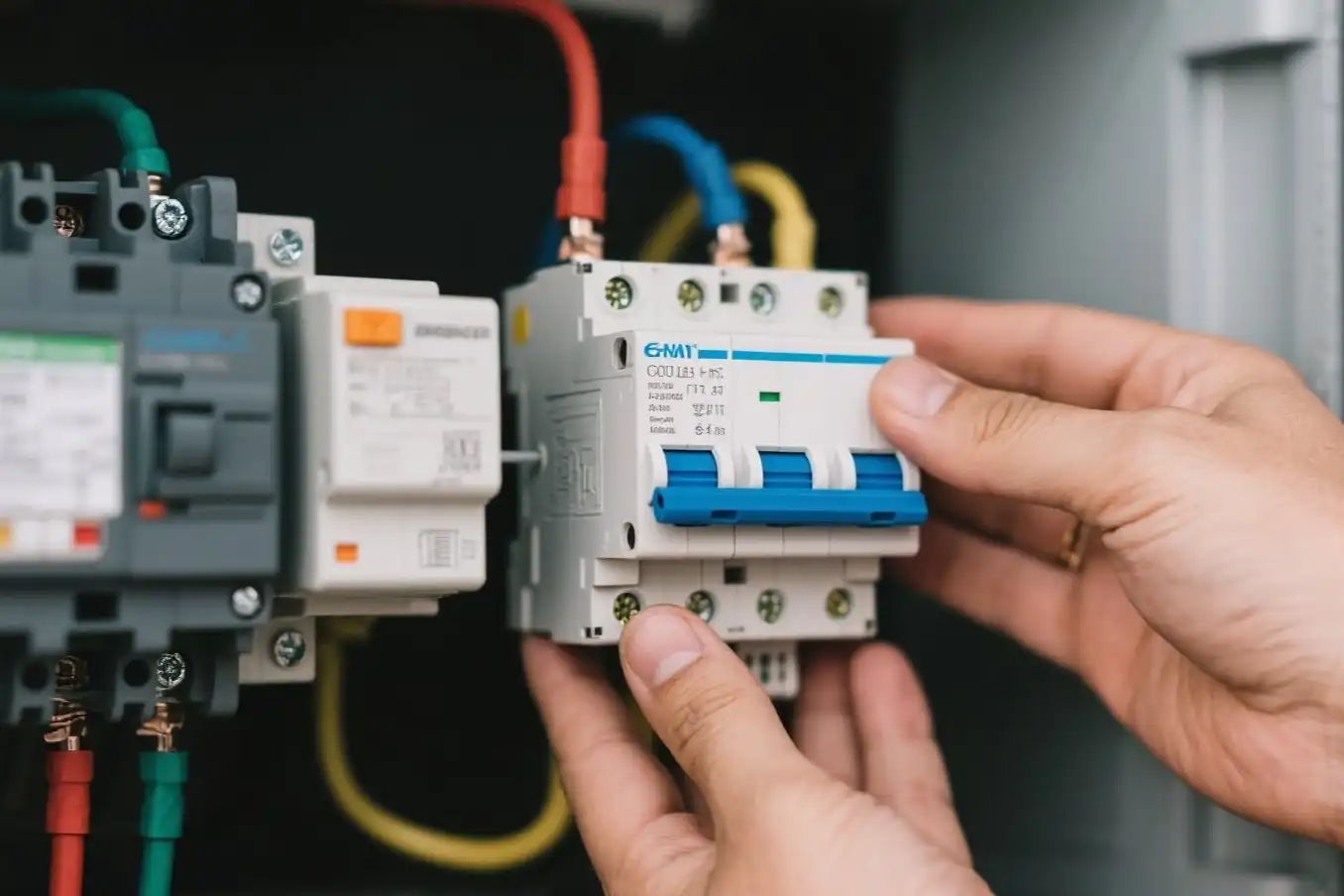
Picking the right miniature circuit breaker for very hot or cold places helps keep things safe. Different MCBs have their own good and bad points. The table below shows what each type can do:
| Type of MCB | Advantages | Disadvantages |
|---|---|---|
| Thermal-magnetic | Works by sensing heat from faults; used a lot. | Can trip too soon or too late if it gets too hot or cold. |
| Hydraulic-magnetic | Works well in very hot or cold places; not bothered by heat changes. | Does not trip from heat caused by faults on its own. |
Thermal-magnetic breakers might trip at the wrong time if it is too hot or cold. Hydraulic-magnetic breakers work the same even when it is very hot or cold. They do not need to be changed for different temperatures. When picking an MCB, think about the weather and how much it changes. This helps the MCB work the same all the time.
Inspection and Preventive Care
Checking and taking care of MCBs often helps them work well in places where it gets very hot or cold. Technicians do a few things to find problems early and stop failures:
- Looking at the MCB helps find cracks, broken parts, or signs of getting too hot.
- Testing with tools checks if insulation and contacts are working right.
- Cleaning and adding oil helps moving parts work, especially when it is cold and oil gets thick.
- Adjusting the breaker makes sure it trips when it should.
- Writing down what they find and fix helps remember for next time.
Technicians can see early signs of damage or problems from the weather during checks. They can find overheating, which can hurt the thermal part. Fixing these problems fast stops the breaker from failing because of temperature changes. Taking care of MCBs often keeps them safe and helps them last longer.
Tip: Keep MCBs away from sunlight or cold air to stop temperature problems and part failures.
When temperatures change, MCBs can work differently. Hot weather can make them trip too soon and hurt insulation. Cold weather can slow down tripping and make parts hard to move. Checking and fixing breakers often keeps them safe. Experts say to do these things:
- Use the maker’s rules and follow NFPA 70B and NETA MTS.
- Use a torque wrench to check if connections are tight.
- Look for too much moisture and heat near the breaker.
Taking care of MCBs early helps keep electrical systems safe and working well.
FAQ
What happens if an MCB trips too often in hot weather?
If an MCB trips a lot in hot weather, it feels heat faster. The breaker might turn off power even when the current is okay. This can stop devices from working and make people upset.
What can cause an MCB to fail in cold temperatures?
Cold weather can make MCB parts hard or easy to break. The breaker might not turn off when it should. This can make the electrical system unsafe.
What type of MCB works best in extreme temperatures?
Hydraulic-magnetic MCBs are best for very hot or cold places. Their performance does not change with temperature. These breakers keep circuits safe in tough conditions.
What signs show an MCB has temperature-related problems?
Check for color changes, burning smells, or cracks on the breaker. These signs mean heat has hurt the breaker. In cold weather, the breaker might feel hard to move or not reset well.
What should technicians do to keep MCBs safe in changing temperatures?
Technicians should check breakers often, clean moving parts, and look for damage. They should keep MCBs away from sunlight and cold air. Taking care of breakers often helps stop problems.
See also
How to choose the square number of home decoration wires
What Makes Soft and Hard Wires Different for Home Decoration
What Happens When Micro-circuit Breakers Overheat for a Long Time
Why a bad circuit breaker can cause low voltage
What Happens When Cold Weather Trips Circuit Breakers