

You will usually find four main power sockets at home. These are standard duplex, GFCI, AFCI, and specialty outlets. Each type helps keep you safe. They also make sure your devices work well. Safety covers and childproof designs stop accidental shocks. This is very important if you have kids. Modern power sockets stop overloads and short circuits. The table below explains why knowing socket types is important for your home:
| Aspect | Importance |
|---|---|
| Grounding Systems | Protect against electrical shocks by giving fault currents a safe path. |
| Bonding | Keeps voltages even, so shock risks are lower. |
| Compliance with Codes | Stops hazards by making sure things are installed right. |
| GFCI Outlets | Very important in wet places to stop shocks. |
Key Takeaways
- Learn about the four main types of power sockets: standard duplex, GFCI, AFCI, and specialty. Each type has its own job and helps keep you safe.
- Put GFCI outlets in places that get wet, like kitchens and bathrooms. They stop electric shocks by turning off power fast.
- Use AFCI outlets in rooms where people spend time. They find dangerous electrical arcs and shut off power to stop fires.
- Pick specialty outlets for devices that need a lot of power. These outlets work with things like dryers and electric cars to keep them safe.
- Check your outlets often and take care of them. Watch for damage like sparks or heat, and change any broken sockets to protect your home.
Standard Duplex Power Socket
Features
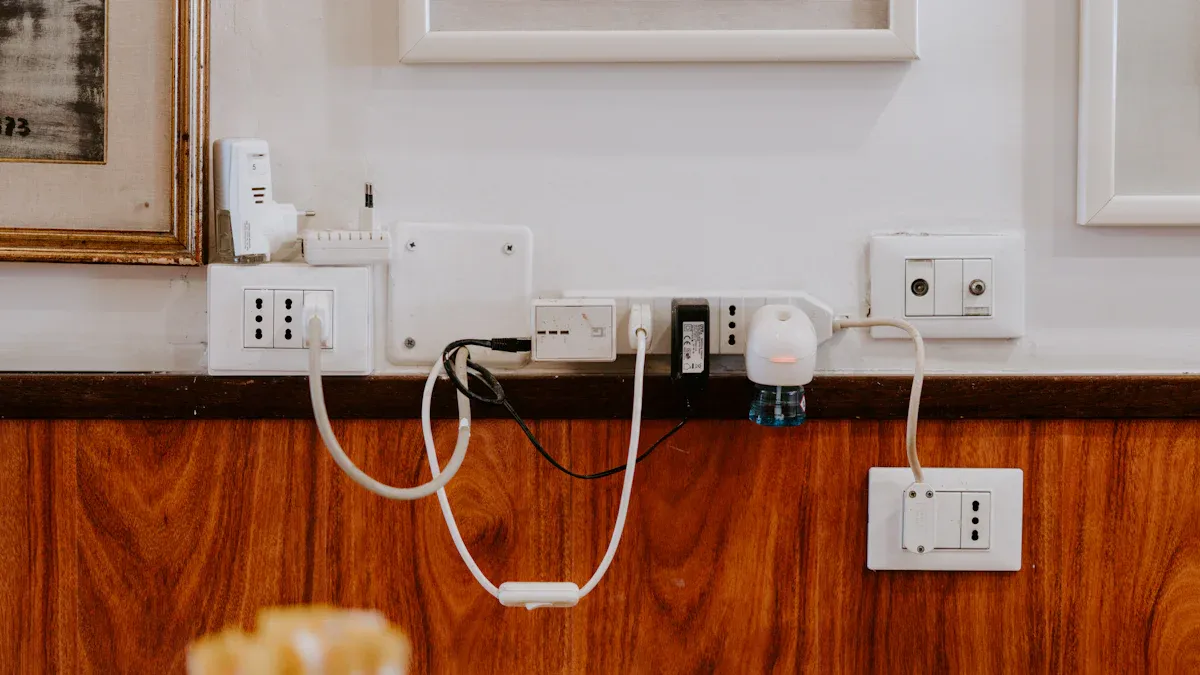
A standard duplex power socket is the one you see most often at home or work. It has two places for plugs on one outlet. Each spot has straight slots and a round hole for three-prong plugs. You can use both spots at the same time. The National Electrical Code gives rules for these outlets. Look at the table below to see the main features:
| Feature | Description |
|---|---|
| Number of Receptacles | Two plug-in spots on one outlet |
| Ampacity Requirement | Must match the circuit’s safety rating |
| Configuration | Vertical slits and a round hole for three-prong plugs |
| Extra Features | Some models are tamper-resistant or weather-resistant |
Duplex outlets can work with different power levels. Some are made for more voltage or for outside use. Many new ones have safety features to keep your family safe.
Common Uses
You use a standard duplex power socket for most things every day. These outlets give power to lamps, TVs, computers, and kitchen tools. You can plug in two things at once, so they are handy. Most rooms have more than one outlet. This makes it easy to get electricity where you need it.
- Powering things like toasters and microwaves
- Charging phones and tablets
- Running game consoles and speakers
Safety Tips
Watch out for signs that a socket is not safe. If you see sparks or burn marks, unplug your stuff right away. If you smell smoke, do the same. Outlets that feel hot or make buzzing sounds are risky. Old sockets may not be grounded well, so shocks can happen. Keep outlets covered if you have kids. Change any socket that looks broken or does not work.
| Safety Hazard Description |
|---|
| Sparking |
| Burn marks or smoke smell |
| Buzzing or popping sounds |
| Hot to the touch |
| Attracts pests |
| Outdated or not weatherproofed |
| Exposed to children |
Tip: A three-prong power socket can last 15 to 25 years if you use it right. Always check your outlets when you fix or upgrade your home.
GFCI Power Socket
Features
A GFCI power socket is short for Ground Fault Circuit Interrupter. This outlet has sensors that check the electricity flow. If the current changes in a bad way, it shuts off power very fast. It does this in less than a second. This helps stop electric shocks. Regular outlets do not have this safety. GFCI outlets have test and reset buttons. You can use these to make sure the outlet works. Many GFCI outlets have a small light. The light shows if the outlet is working.
- GFCI outlets watch the electrical current all the time.
- They turn off power quickly if there is a ground fault.
- You will see a test and reset button on the outlet.
- Regular outlets do not protect against ground faults.
Note: GFCI and AFCI outlets are not the same. GFCI outlets keep you safe from electric shock, especially near water. AFCI outlets help stop fires from electrical arcs.
Where to Use
You should use GFCI outlets where water is close by. Water makes electric shock more likely to happen. Building codes in the U.S. say you must use GFCI outlets in many places. The table below shows where you need them:
| Location Description | Requirement |
|---|---|
| Finished and unfinished basements | GFCI required |
| Within six feet of a sink | GFCI required |
| Laundry areas | GFCI required |
| Kitchens (food prep areas) | GFCI required |
| Indoor wet and damp locations | GFCI required |
| Accessory buildings | GFCI required |
| Within six feet of bathtubs and shower stalls | GFCI required |
| Outdoor outlets (150 volts-to-ground or less) | GFCI required |
| Appliances like sump pumps and dishwashers | GFCI required |
You can also find GFCI outlets in garages and utility rooms. They are used near pools too.
Safety Benefits
GFCI power sockets help protect you from electric shock. Studies show most electrocutions at home could be stopped with GFCI outlets. The number of electrocutions has gone down since people started using these outlets. Data from the Electrical Safety Foundation International says GFCI outlets lower shock risk a lot. About 200 people die from ground faults each year in the U.S. GFCI outlets can prevent many of these deaths.
- GFCI outlets lower the chance of electric shock.
- They help stop most home electrocutions.
- Using GFCI outlets in the right spots keeps your family safe.
AFCI Outlet
Features
AFCI outlets give your home extra safety. They watch the electricity in the wires all the time. These outlets can tell if something is wrong. If there is a dangerous arc, the outlet turns off the power fast. This helps stop fires from starting near wires or outlets. AFCI outlets help lower the risk of electrical fires. They look like regular outlets but have a test button on the front. You can press this button to see if the outlet works right.
Tip: Test your AFCI outlets once a month. Push the test button and check if the power goes off. Doing this helps keep your home safe.
Applications
You need AFCI outlets in many rooms at home. The rules say you must have them where people spend time or where fires could start. Look at the table below to see where you need AFCI outlets:
| Room Type | AFCI Requirement |
|---|---|
| Kitchens | Required |
| Family Rooms | Required |
| Dining Rooms | Required |
| Living Rooms | Required |
| Parlors | Required |
| Libraries | Required |
| Dens | Required |
| Bedrooms | Required |
| Sunrooms | Required |
| Recreation Rooms | Required |
| Closets | Required |
| Hallways | Required |
| Laundry Areas | Required |
| Finished Basements | Required |
You will find AFCI outlets in new homes and in old homes that have been fixed up. Builders and electricians put them in to follow the rules. Check your rooms and add AFCI outlets if you do not have them.
Safety Aspects
AFCI outlets help stop fires from arc faults. Studies show they can prevent over half of electrical fires each year. This means your home is much safer from fire. You can feel better knowing your outlet helps stop sparks. AFCI outlets work best when you use them in every room that needs one. Change old outlets to AFCI models to make your home safer.
Callout: AFCI outlets do not take the place of GFCI outlets. You need both types to be safe from shocks and fires.
Specialty Outlets
Types
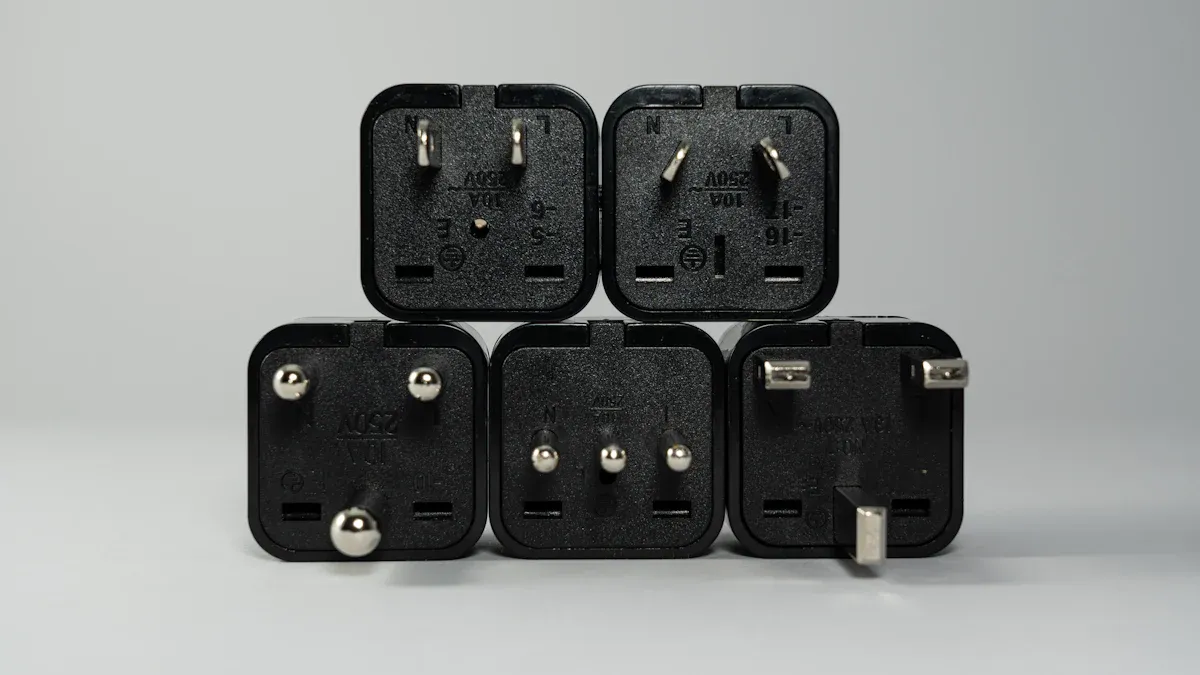
Modern homes have many specialty outlets. Each one has a special job. Here are some common types you might see:
- GFCI outlets keep you safe from shocks in wet places.
- Dedicated circuit outlets give power to big appliances.
- USB outlets let you charge things without a plug adapter.
- Smart outlets help you control energy use with your phone.
- 15-amp and 20-amp outlets work for stronger appliances.
- 30-amp outlets are for large things like dryers.
- 50-amp outlets power electric cars and heavy machines.
Tip: Specialty outlets help you use new tech and stay safe.
Uses
Specialty outlets give power to devices that need more energy. You use them for big appliances and smart gadgets. Here are some examples:
- Dryers need a 240-volt circuit with a double-pole breaker.
- Stoves need outlets that fit their power needs.
- Refrigerators use a special 20A 125V outlet.
- Electric stoves often need a 240-volt outlet.
| Appliance | Required Outlet Type |
|---|---|
| Refrigerator | Dedicated 20A 125V outlet |
| Dryer | 240-volt circuit with double-pole breaker |
| Electric Stove | Specialized 240-volt outlet |
You also see specialty outlets in kitchens and labs. These outlets help fume hoods and steel counters work safely.
Safety Considerations
Specialty outlets follow strict safety rules. You must use the right outlet for each device. This stops overloads and fires. The National Electrical Code (NEC) gives rules for outlet safety. Look at the table below for some standards:
| Safety Standard | Description |
|---|---|
| NEC Guidelines | Outlets spaced no more than 12 feet apart in living areas. |
| Kitchen Rule | 6-foot rule for better access in kitchens. |
| Safety Compliance | Codes update often to address new safety concerns and technology. |
Specialty outlets are made for bigger loads. They lower the risk of overloads and fires. You get strong support for devices that use lots of energy. Some outlets can turn off power by themselves to stop fires.
Callout: Always check if your specialty outlets follow safety codes. This keeps your home and devices safe.
You use a specialty power socket when you need extra safety or special features for your appliances.
Choosing the Right Power Socket
Factors to Consider
When picking a power socket, you should think about a few things. Each room might need a different outlet. Devices need outlets that match their voltage and amperage. Check these ratings before you buy. Wet places or outside areas need special outlets. Tamper-resistant sockets help keep kids safe. Some sockets have smart features. You can control them with your phone or voice. The table below shows what to look for:
| Factor | Description |
|---|---|
| Voltage | Make sure the socket matches your device’s voltage. |
| Amperes | The socket must handle your device’s power. |
| Outlet Type | Pick the best type for your room and devices. |
| Location | Use weatherproof sockets outside or near water. |
| Reliability | Choose strong sockets to stop accidents. |
| Functionality | Make sure the socket works for your needs. |
| Smart Features | Think about sockets with app or voice control. |
Tip: Count your devices and check their power needs before buying a socket.
Compatibility
You might have problems when adding new outlets in old homes. Old wiring like knob-and-tube or aluminum does not meet today’s safety rules. Some homes have two-prong outlets with no grounding. This can hurt electronics and raise shock risk. Loose wires or rusty connections can start fires. The table below lists common problems:
| Compatibility Issue | Description |
|---|---|
| Outdated Wiring Systems | Old wires may not work with new outlets safely. |
| Insufficient Electrical Capacity | Old panels may not handle today’s power. |
| Lack of GFCIs | Raises the chance of electric shock. |
| Ungrounded Outlets | Increases shock and device damage risk. |
Note: Always check your home’s wiring before you add or upgrade a power socket.
Installation Tips
Safe installation keeps your home and devices safe. Follow all local and national electrical codes. Use sockets that fit your equipment’s needs. Make sure every outlet is grounded right. Install outlets tightly and line them up with the panel. Check outlets often for damage or wear. Do not plug too many things into one socket. Use covers to protect outlets from water and heat. The table below gives more tips:
| Recommendation | Description |
|---|---|
| Check Electrical Codes | Follow all safety rules when installing. |
| Appropriate Sizing | Match socket size to your device. |
| Grounding | Use proper grounding to stop hazards. |
| Proper Mounting and Alignment | Secure outlets to avoid loose wires. |
| Periodic Inspection | Change broken outlets fast. |
| Avoid Overloading | Do not use more power than the socket can handle. |
| Environmental Conditions | Use covers in wet or tough places. |
⚡ Common mistakes are wrong wiring, plugging in too many devices, and skipping safety checks. Ask a licensed electrician if you are not sure.
You have learned about four main power socket types. These are standard duplex, GFCI, AFCI, and specialty outlets. The table below lists what each one does and where you use them:
| Outlet Type | Key Features | Common Applications |
|---|---|---|
| Standard Duplex | Works with regular plugs, keeps kids safer | Used for lamps, TVs, kitchen tools |
| GFCI | Stops shocks, has reset and test buttons | Good for kitchens, bathrooms, outside |
| AFCI | Stops fires, finds dangerous arcs | Used in bedrooms, living and dining rooms |
| Specialty | Has special shapes, handles more power | For big appliances and electric cars |
Picking the right socket can stop fires and protect your things. It helps keep your home and devices safe. If you are not sure, talk to a licensed electrician.
- Using the right socket type keeps you safe from shocks and fires.
- Getting help from an expert makes sure your sockets are put in safely.
FAQ
What is the difference between a GFCI and an AFCI outlet?
A GFCI outlet protects you from electric shock by shutting off power during ground faults. An AFCI outlet stops fires by detecting dangerous electrical arcs. You need both for full safety in your home.
What should you look for when choosing a power socket?
You should check the voltage, amperage, and outlet type. Make sure the socket matches your device and room. Look for safety features like tamper resistance or weatherproofing.
What happens if you use the wrong outlet for an appliance?
Using the wrong outlet can cause overheating, damage, or even fire. Always match the outlet to the appliance’s power needs. Check the label on your device before plugging it in.
What makes a specialty outlet different from a standard outlet?
A specialty outlet handles higher power or offers extra features. You use them for big appliances, electric cars, or smart devices. Standard outlets work for everyday items like lamps and chargers.
What signs show that a power socket needs replacing?
Look for sparks, burn marks, buzzing sounds, or heat. If the outlet feels loose or does not work, replace it. Damaged sockets can cause shocks or fires.
See also
What should I do if the circuit is overloaded?
Washing machine socket: Can you use a regular socket?
Introduction to International Standards for Wall Sockets
Why does my brand new arc fault circuit breaker keep tripping?
How to Identify Arc Faults in Circuit Breakers for Home Safety